 EN
EN


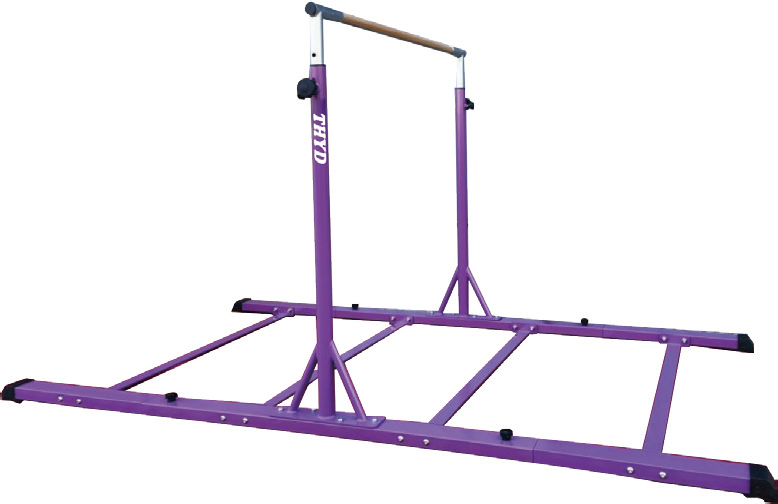
Sourcing gymnastics equipment in bulk requires careful consideration of multiple procurement factors that directly impact training quality, safety standards, and long-term investment returns. Educational institutions, sports facilities, and training centers face unique challenges when acquiring large quantities of specialized athletic apparatus. The procurement process demands thorough evaluation of supplier capabilities, product specifications, and compliance requirements to ensure optimal outcomes for athletes and organizations alike.
Quality Standards and Safety Certification Requirements
International Safety Standards Compliance
Professional gymnastics equipment must meet stringent international safety standards established by organizations such as the International Gymnastics Federation and national governing bodies. These standards encompass material specifications, structural integrity requirements, and performance benchmarks that ensure athlete safety during training and competition. Procurement teams should verify that suppliers maintain current certifications and provide comprehensive documentation demonstrating compliance with relevant safety protocols.
Manufacturing processes for gymnastics equipment involve precise engineering calculations and quality control measures that directly affect product reliability and longevity. Suppliers should demonstrate adherence to ISO quality management systems and maintain detailed records of material sourcing, production methods, and quality testing procedures. This documentation becomes crucial for liability protection and warranty claims throughout the equipment lifecycle.
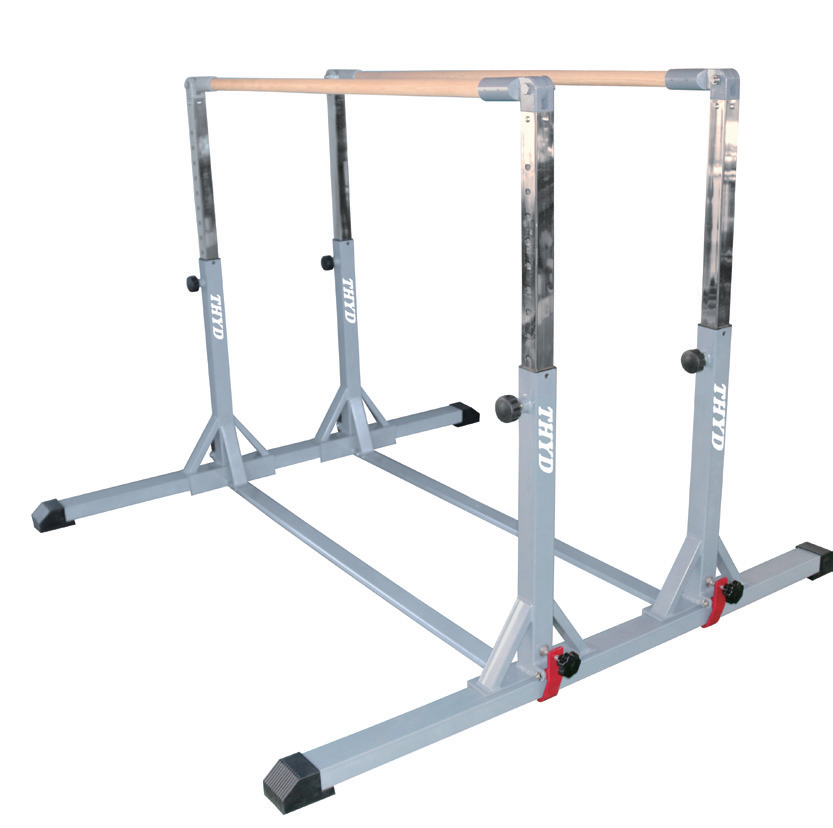
Material Quality and Durability Assessment
High-grade materials form the foundation of reliable gymnastics equipment that withstands intensive daily use and maintains consistent performance characteristics over time. Steel components require specific tensile strength ratings and corrosion resistance properties, while foam padding materials must meet density and compression standards that ensure adequate shock absorption. Procurement professionals should request detailed material specifications and test reports from potential suppliers.
Surface treatments and protective coatings significantly impact equipment longevity and maintenance requirements in gymnastics facilities. Powder coating applications, galvanization processes, and specialized surface finishes contribute to corrosion resistance and aesthetic appeal while reducing long-term maintenance costs. Evaluating these factors during the procurement phase helps organizations make informed decisions about total cost of ownership.
Supplier Evaluation and Vendor Selection Criteria
Manufacturing Capabilities and Production Capacity
Assessing supplier manufacturing capabilities involves evaluating production facilities, equipment capacity, and workforce expertise to ensure timely delivery of large-scale orders. Established gymnastics equipment manufacturers typically maintain specialized production lines designed for specific apparatus categories, enabling efficient manufacturing processes and consistent quality outcomes. Site visits and facility audits provide valuable insights into supplier capabilities and quality control systems.
Production scheduling flexibility becomes critical when coordinating bulk deliveries with facility construction timelines or seasonal training programs. Suppliers should demonstrate ability to accommodate specific delivery schedules while maintaining quality standards throughout accelerated production cycles. Clear communication protocols and project management systems facilitate smooth coordination between procurement teams and manufacturing partners.
Technical Support and Service Capabilities
Comprehensive technical support services distinguish professional gymnastics equipment suppliers from generic manufacturers, providing ongoing value throughout the equipment lifecycle. Installation services, maintenance training programs, and replacement parts availability contribute significantly to operational efficiency and equipment performance optimization. Procurement decisions should consider the full spectrum of support services available from potential suppliers.
Geographic proximity and service network coverage affect response times for maintenance requests and emergency repairs that could impact training schedules. Suppliers with established service networks and local support capabilities offer advantages in minimizing equipment downtime and maintaining consistent training environments for athletes and coaches.
Cost Analysis and Budget Optimization Strategies
Total Cost of Ownership Calculations
Comprehensive cost analysis for gymnastics equipment procurement extends beyond initial purchase prices to encompass installation, maintenance, and replacement costs over the expected equipment lifecycle. Energy consumption, space requirements, and insurance implications contribute to operational expenses that affect long-term budget planning. Developing detailed cost models enables accurate comparison between supplier proposals and equipment alternatives.
Volume discounting structures and bulk purchasing incentives significantly impact overall procurement costs for large-scale gymnastics equipment acquisitions. Negotiating favorable pricing terms while maintaining quality standards requires understanding of market conditions, supplier capabilities, and competitive dynamics within the industry. Strategic timing of purchases and consolidated ordering approaches maximize cost savings opportunities.
Financing Options and Payment Structures
Alternative financing arrangements, including lease-to-own programs and extended payment plans, provide flexibility for organizations with budget constraints or cash flow considerations. These arrangements enable facilities to acquire necessary gymnastics equipment while preserving working capital for other operational needs. Evaluating financing terms and total interest costs helps determine the most cost-effective procurement approach.
Grant funding opportunities and educational discounts may be available through government programs, sports organizations, or equipment manufacturers targeting academic institutions and youth programs. Researching these opportunities and incorporating them into procurement planning can substantially reduce equipment costs while supporting facility development objectives.
Logistics and Installation Considerations
Shipping and Delivery Coordination
Complex logistics planning becomes essential when coordinating delivery of large gymnastics equipment shipments to ensure proper sequencing with construction activities and installation schedules. Freight considerations include dimensional restrictions, weight limitations, and specialized handling requirements that affect transportation costs and delivery timelines. Advance coordination with shipping companies and facility managers prevents delays and additional expenses.
Packaging specifications and protective measures during transit directly impact equipment condition upon delivery and potential warranty coverage for shipping damage. Professional gymnastics equipment suppliers typically employ specialized packaging systems designed to protect sensitive components during long-distance transportation. Verifying packaging standards and insurance coverage protects against potential losses during transit.
Installation Requirements and Site Preparation
Professional installation services ensure proper assembly and calibration of complex gymnastics equipment while maintaining manufacturer warranty coverage. Installation requirements include specific floor preparation, electrical connections, and safety clearances that must be coordinated with facility construction or renovation activities. Clear specifications and installation guidelines prevent costly delays and rework during facility development.
Space planning and equipment layout optimization maximize facility capacity while maintaining safety standards and operational efficiency. Professional design services help organizations optimize gymnastics equipment placement to accommodate training programs, competition requirements, and spectator viewing arrangements within available facility space.
Maintenance and Support Infrastructure
Preventive Maintenance Programs
Structured maintenance programs extend gymnastics equipment lifespan while ensuring consistent safety and performance standards throughout intensive daily use. Supplier-provided maintenance guidelines, training programs, and scheduled inspection protocols help facility staff maintain equipment in optimal condition. Regular maintenance reduces unexpected failures and associated downtime that disrupts training schedules.
Replacement parts availability and procurement systems affect maintenance efficiency and equipment reliability over extended operational periods. Establishing relationships with suppliers who maintain comprehensive parts inventory and efficient distribution systems minimizes equipment downtime and maintenance costs. Long-term parts availability commitments provide assurance for organizations making substantial gymnastics equipment investments.
Training and User Education
Comprehensive training programs for coaches, facility staff, and maintenance personnel ensure proper equipment use and care that maximizes safety and performance outcomes. Supplier-provided training materials, instruction manuals, and ongoing support services contribute to successful gymnastics equipment implementation. Proper user education reduces equipment wear and prevents accidents that could result in liability issues.
Documentation systems and record-keeping requirements support maintenance scheduling, warranty claims, and regulatory compliance for gymnastics equipment operations. Digital maintenance logs, inspection records, and performance tracking systems facilitate effective facility management and demonstrate due diligence for insurance and liability purposes.
FAQ
What certifications should gymnastics equipment meet for institutional use
Professional gymnastics equipment should meet FIG (International Gymnastics Federation) standards, ASTM safety specifications, and relevant national safety certifications. Additionally, look for ISO 9001 quality management certification from manufacturers and compliance with local building codes and insurance requirements for institutional facilities.
How do bulk purchasing agreements affect warranty coverage
Bulk purchasing typically extends warranty periods and may include enhanced coverage terms for large orders. Many gymnastics equipment suppliers offer extended warranties, preferential replacement policies, and priority service support for institutional customers. Ensure warranty terms cover both manufacturing defects and normal wear items with clear service response commitments.
What factors determine gymnastics equipment installation timelines
Installation timelines depend on equipment complexity, facility readiness, and supplier scheduling availability. Simple apparatus may install within days, while complex systems requiring floor anchoring and electrical connections may need several weeks. Site preparation completion, permit approvals, and seasonal weather conditions also impact installation scheduling for gymnastics equipment projects.
How can facilities optimize gymnastics equipment procurement budgets
Budget optimization strategies include consolidating orders for volume discounts, timing purchases during promotional periods, and considering refurbished equipment options for non-critical applications. Educational institutions may qualify for special pricing programs, and group purchasing consortiums can leverage collective buying power for better gymnastics equipment pricing and terms.