 EN
EN


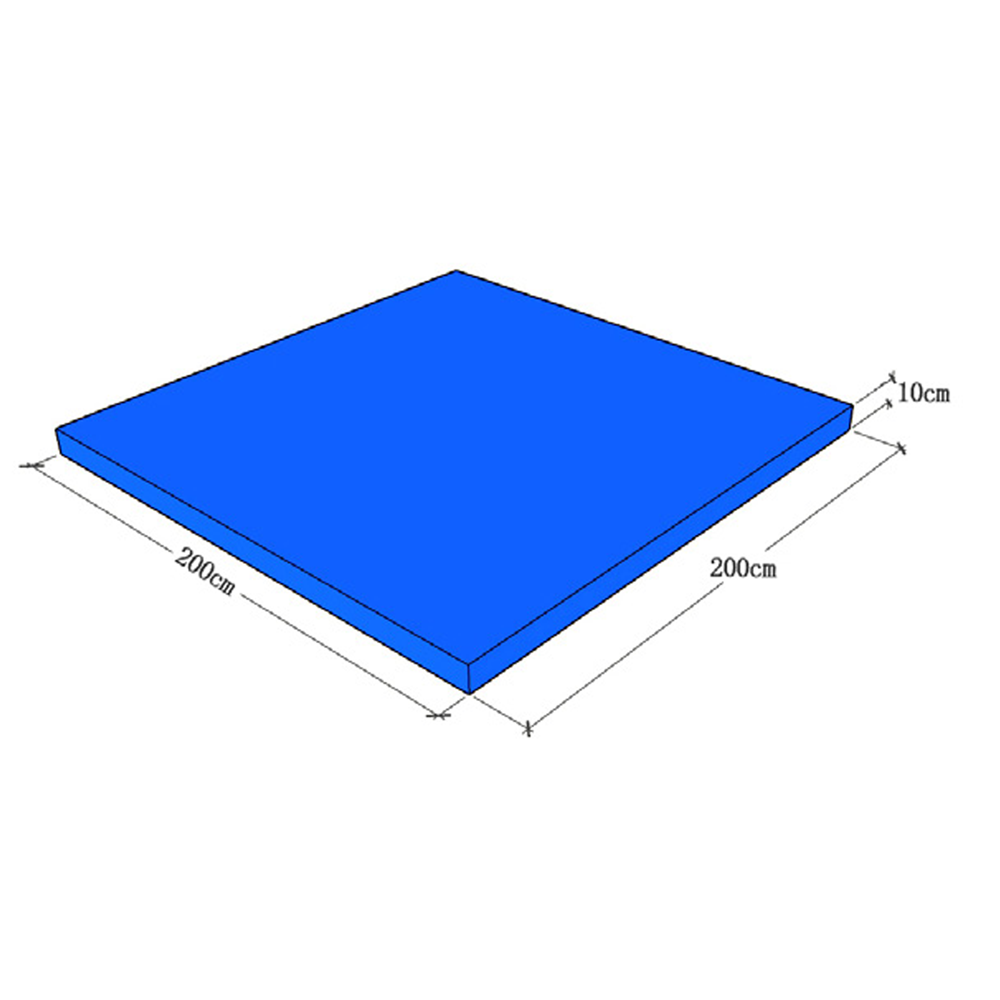
Gymnastics dismounts represent one of the highest-risk moments in any routine, where athletes transition from apparatus to ground with tremendous force and momentum. During these critical landing phases, the impact forces can reach up to eight times an athlete's body weight, creating significant stress on joints, muscles, and skeletal structures. Understanding how protective equipment functions during these high-impact moments is essential for coaches, athletes, and facility managers who prioritize safety without compromising performance quality.
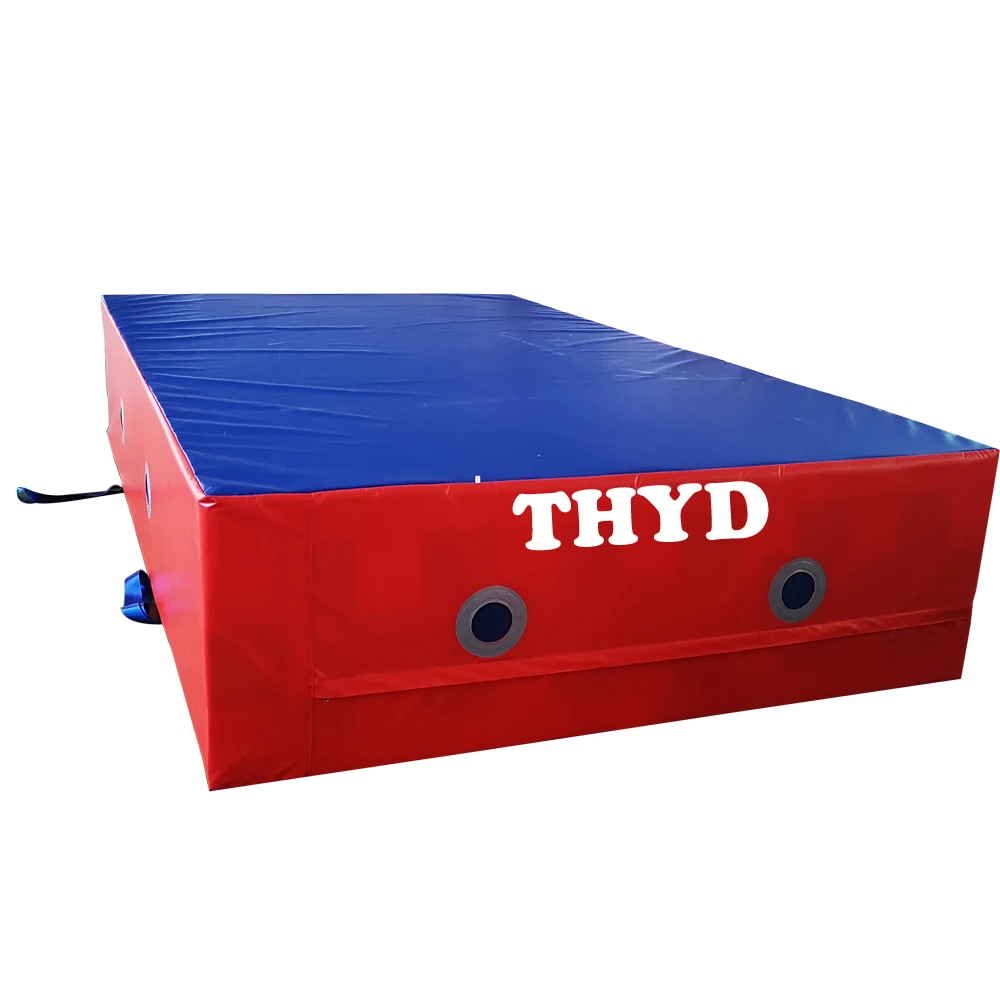
The biomechanical demands of dismount landings create complex injury scenarios that require sophisticated protection strategies. A properly designed landing mat for gymnastics serves as the primary barrier between an athlete's body and the unforgiving forces of impact, utilizing advanced materials science and engineering principles to dissipate energy and reduce trauma. This protective system operates through multiple mechanisms that work simultaneously to create a safer landing environment while maintaining the feedback athletes need for skill development and spatial awareness.
Force Absorption Mechanisms During High-Impact Landings
Energy Dissipation Through Progressive Compression
The primary injury reduction mechanism of a landing mat for gymnastics involves progressive energy dissipation through controlled compression. When an athlete impacts the surface, the mat's foam core undergoes structured deformation that converts kinetic energy into thermal energy, significantly reducing the peak forces transmitted to the athlete's body. This process occurs in distinct phases, beginning with initial surface compression that provides immediate deceleration, followed by deeper foam engagement that manages the remaining impact forces over an extended time period.
High-quality landing mat for gymnastics systems utilize multi-density foam configurations that optimize this energy absorption process. The surface layer typically features medium-density foam that provides controlled initial deformation, while deeper layers incorporate higher-density materials that prevent bottoming out during extreme impacts. This layered approach ensures consistent force reduction across various impact scenarios, from controlled practice landings to emergency dismounts where athletes may experience unexpected trajectory changes.
The compression characteristics of a landing mat for gymnastics directly correlate with injury prevention effectiveness. Research demonstrates that mats capable of 4-6 inches of controlled compression can reduce peak impact forces by 60-80% compared to direct floor contact. This force reduction translates to significantly lower stress on critical anatomical structures, including ankle joints, knee ligaments, and spinal vertebrae that commonly sustain injury during improper landings.
Time Extension and Peak Force Reduction
Beyond simple energy absorption, a landing mat for gymnastics extends the contact time between athlete and surface, fundamentally altering the impact dynamics. This time extension principle follows basic physics: by increasing the duration over which deceleration occurs, the peak forces experienced by the athlete decrease proportionally. Where a hard surface might arrest an athlete's downward motion in milliseconds, a properly designed landing mat for gymnastics extends this contact period to provide gradual deceleration.
The biomechanical advantage of extended contact time becomes particularly evident in ankle and lower extremity injury prevention. Sudden deceleration on hard surfaces often exceeds the adaptive capacity of muscles and connective tissues, leading to sprains, strains, and more severe trauma. A landing mat for gymnastics allows these structures additional time to engage protective reflexes and distribute forces across multiple anatomical systems, reducing the likelihood of localized tissue failure.
Professional-grade landing mat for gymnastics systems demonstrate measurable improvements in contact time dynamics. Testing protocols show that quality mats can extend contact duration by 200-300% compared to traditional floor surfaces, while simultaneously reducing peak deceleration rates that contribute to injury mechanisms. This extended contact period proves especially critical during dismounts from height, where gravitational acceleration creates substantial impact velocities.
Joint Protection and Load Distribution Benefits
Ankle and Lower Extremity Safety Enhancement
The ankle joint complex faces particular vulnerability during gymnastics dismounts due to its role as the primary impact interface and its limited range of motion under load. A landing mat for gymnastics addresses these vulnerabilities through surface compliance that accommodates natural ankle movement while providing controlled resistance. This accommodation proves crucial for preventing the rigid contact scenarios that frequently result in ankle sprains and fractures during dismount activities.
Surface characteristics of a landing mat for gymnastics influence ankle safety through multiple pathways. The controlled deformation allows for slight surface irregularities that promote proprioceptive engagement, helping athletes maintain balance and correct positioning during the landing phase. Additionally, the energy-absorbing properties reduce the sudden loading that can overwhelm ankle stabilizing muscles and ligaments, particularly during off-center or asymmetric landings that commonly occur during skill progression.
Clinical studies examining ankle injury rates in gymnastics facilities consistently demonstrate reduced injury incidence when appropriate landing mat for gymnastics systems are utilized. Facilities reporting regular use of proper dismount mats show 40-60% fewer ankle-related injuries compared to those relying primarily on standard floor surfaces. This reduction becomes more pronounced among developing athletes who may lack the refined landing mechanics of elite performers.
Spinal Protection Through Controlled Deceleration
Spinal injury prevention represents another critical benefit provided by a landing mat for gymnastics during dismount activities. The vertebral column faces significant compression forces during landing, particularly when athletes experience unexpected trajectory changes or landing errors that alter normal postural alignment. The controlled deceleration provided by proper matting systems reduces these compressive forces while maintaining sufficient surface feedback for postural control.
The shock-absorbing properties of a landing mat for gymnastics prove especially important for protecting intervertebral discs and associated soft tissues from acute trauma. During hard landings, the rapid deceleration can create hydraulic pressure spikes within disc structures that may lead to herniation or other degenerative changes. Quality mats provide graduated deceleration that allows spinal structures to adapt and distribute loads more effectively throughout the kinetic chain.
Long-term spinal health benefits emerge from consistent use of appropriate landing mat for gymnastics systems during training activities. Athletes who regularly train with proper protective equipment demonstrate lower rates of chronic back pain and degenerative spinal conditions compared to those exposed to repetitive hard-surface impacts. This protection proves particularly valuable during high-volume training periods where cumulative loading effects become significant factors in injury development.
Material Science and Construction Features
Advanced Foam Technology Applications
The effectiveness of a landing mat for gymnastics depends fundamentally on the materials science principles employed in its construction. Modern mats utilize advanced polyurethane foam formulations that provide consistent energy absorption characteristics across varying temperature and humidity conditions. These materials undergo extensive testing to ensure predictable compression and recovery properties that maintain safety performance throughout extended use periods.
Foam density gradients within a landing mat for gymnastics create optimized performance zones that address different aspects of impact management. Surface layers typically feature medium-density foams that provide immediate compression and energy absorption, while core layers utilize firmer materials that prevent excessive penetration during high-energy impacts. This multi-layer approach ensures that the mat responds appropriately to both routine training loads and emergency situations requiring maximum protection.
Quality indicators for landing mat for gymnastics foam systems include compression set resistance, tear strength, and recovery time characteristics. Professional-grade mats demonstrate minimal permanent deformation after repeated use, maintaining consistent thickness and compression properties that ensure reliable protection over thousands of impact cycles. The cellular structure of premium foams also provides enhanced air circulation, reducing heat buildup and moisture retention that can compromise performance.
Protective Cover Systems and Durability
The protective covering of a landing mat for gymnastics serves multiple functions beyond simple foam protection, contributing directly to injury prevention through enhanced surface properties and durability. High-quality vinyl covers feature specialized textures that provide appropriate friction characteristics, preventing slipping while avoiding excessive grip that might cause rotational injuries during sliding landings or rolls.
Reinforcement techniques used in landing mat for gymnastics covers ensure long-term structural integrity under intensive use conditions. Double-stitched seams, reinforced stress points, and heavy-duty zippers prevent separation failures that could expose athletes to hard edges or uneven surfaces. These construction details prove particularly important in high-volume training environments where mats experience constant use and movement.
The cleanability and maintenance characteristics of landing mat for gymnastics covers contribute to overall safety through hygiene preservation and surface consistency maintenance. Quality covers resist staining, allow for effective sanitization, and maintain their protective properties despite regular cleaning protocols. This durability ensures that protective equipment continues providing optimal safety benefits throughout its service life without degradation that might compromise athlete protection.
Biomechanical Impact Reduction Principles
Muscle Response and Neuromuscular Protection
The interaction between athletes and a landing mat for gymnastics extends beyond simple mechanical force absorption to include important neuromuscular responses that contribute to injury prevention. The controlled surface compliance triggers appropriate muscle activation patterns that help stabilize joints and distribute forces throughout the musculoskeletal system. This neuromuscular engagement proves crucial for maintaining protective postures during unexpected landing scenarios.
Proprioceptive feedback provided by a landing mat for gymnastics helps athletes maintain spatial awareness and postural control during the landing phase. The slight surface deformation provides sensory information that allows for real-time adjustments in muscle tension and joint positioning, reducing the likelihood of injurious contact patterns. This feedback mechanism proves particularly valuable for developing athletes who are still refining their landing mechanics and spatial awareness skills.
Research examining neuromuscular responses during mat landings demonstrates measurable improvements in protective reflexes compared to hard surface contacts. Athletes landing on appropriate landing mat for gymnastics systems show enhanced pre-activation of stabilizing muscles and more effective force distribution strategies. These improvements translate to reduced injury rates and better long-term joint health outcomes across various skill levels and training intensities.
Kinetic Chain Protection and Load Transfer
The protective benefits of a landing mat for gymnastics extend throughout the entire kinetic chain, influencing force transmission from the point of initial contact through the hip and trunk regions. The controlled deceleration provided by quality mats allows for more effective load sharing among multiple anatomical structures, preventing the concentrated stress patterns that often lead to single-point failures in joints or soft tissues.
Hip and pelvis protection during dismount landings benefits significantly from the energy absorption characteristics of a landing mat for gymnastics. The extended contact time allows hip flexor and gluteal muscles additional opportunity to engage and control landing forces, reducing stress on the hip joint capsule and associated ligamentous structures. This protection proves especially important during dismounts involving rotational or twisting components that create complex loading patterns.
Core stability enhancement represents another significant benefit provided by appropriate landing mat for gymnastics systems. The controlled surface compliance challenges core musculature to maintain postural control without the excessive demands created by sudden deceleration on hard surfaces. This engagement promotes strength development while providing immediate protection against spinal injury during the most vulnerable phases of dismount completion.
FAQ
How thick should a landing mat for gymnastics be to provide adequate protection?
Professional landing mat for gymnastics systems typically range from 4-8 inches in thickness, with 6-inch mats providing optimal protection for most dismount activities. The thickness requirement depends on apparatus height, athlete skill level, and the types of dismounts being performed. Thicker mats offer greater energy absorption but may compromise stability feedback needed for skill development, so the selection should balance protection with functional requirements.
Can a landing mat for gymnastics prevent all types of dismount injuries?
While a landing mat for gymnastics significantly reduces injury risk, it cannot prevent all potential injuries, particularly those resulting from severe technique errors or catastrophic landing failures. The mats are most effective against impact-related injuries such as ankle sprains, minor fractures, and soft tissue trauma, but cannot fully protect against injuries resulting from extreme force magnitudes or improper landing mechanics that exceed the mat's protective capacity.
How do I determine if a landing mat for gymnastics meets safety standards?
Quality landing mat for gymnastics systems should meet or exceed relevant safety standards such as those established by gymnastics governing bodies and equipment certification organizations. Look for mats with consistent foam density, proper thickness measurements, durable cover construction, and documentation of testing protocols. Professional facilities should verify that mats maintain their protective properties through regular inspection and replacement when compression characteristics diminish.
What maintenance is required to keep a landing mat for gymnastics effective?
Proper maintenance of a landing mat for gymnastics includes regular cleaning of covers, inspection for wear patterns or damage, and monitoring of compression recovery after use. Mats should be stored properly to prevent permanent deformation, rotated regularly to ensure even wear, and replaced when foam compression characteristics no longer provide adequate protection. Professional facilities often implement formal inspection schedules to ensure consistent safety performance.
Table of Contents
- Force Absorption Mechanisms During High-Impact Landings
- Joint Protection and Load Distribution Benefits
- Material Science and Construction Features
- Biomechanical Impact Reduction Principles
-
FAQ
- How thick should a landing mat for gymnastics be to provide adequate protection?
- Can a landing mat for gymnastics prevent all types of dismount injuries?
- How do I determine if a landing mat for gymnastics meets safety standards?
- What maintenance is required to keep a landing mat for gymnastics effective?