 EN
EN


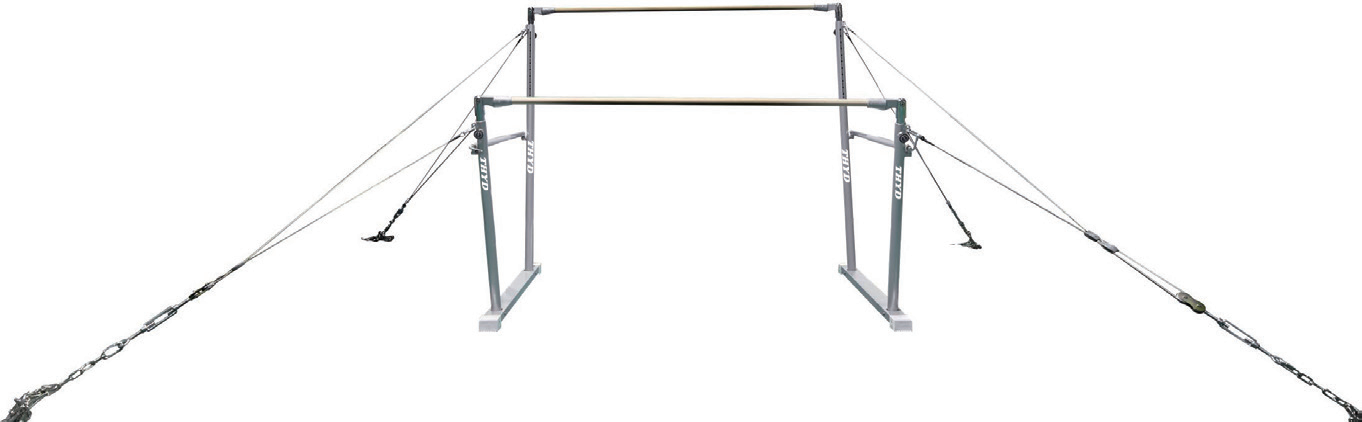
Modern sports centers are constantly seeking ways to enhance training efficiency and deliver superior results for athletes across all skill levels. Gymnastics equipment has emerged as a pivotal component in transforming training methodologies, offering unprecedented opportunities for skill development, strength building, and performance optimization. The integration of high-quality gymnastics equipment into sports centers creates an environment where athletes can progress systematically through structured training programs. This sophisticated approach to athletic development represents a significant advancement from traditional training methods, providing measurable improvements in both technical proficiency and physical conditioning. Sports centers that invest in comprehensive gymnastics equipment solutions typically observe enhanced athlete retention rates, improved performance metrics, and increased facility utilization throughout their operational hours.
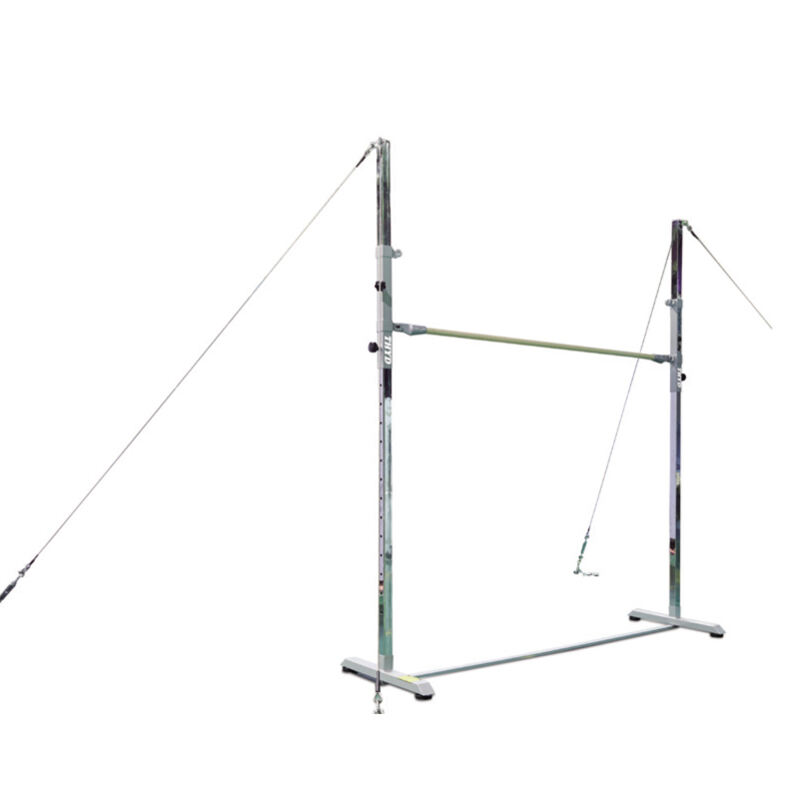
Foundations of Equipment-Enhanced Training Systems
Systematic Skill Progression Through Structured Equipment Use
Effective training progression relies heavily on the systematic implementation of gymnastics equipment designed to support athletes through incremental skill development phases. Professional sports centers utilize specialized apparatus that allows coaches to break down complex movements into manageable components, enabling athletes to master fundamental techniques before advancing to more challenging elements. This methodical approach significantly reduces injury risk while accelerating the learning curve for athletes at every level. The strategic placement of gymnastics equipment within training facilities creates natural progression pathways that guide athletes through skill development sequences. Modern equipment designs incorporate adjustable features that accommodate varying skill levels simultaneously, maximizing facility efficiency and allowing multiple athletes to train productively during shared sessions.
Contemporary gymnastics equipment manufacturers have revolutionized training methodologies by developing apparatus that provides immediate feedback to athletes and coaches. These innovations include resistance-adjustable mechanisms, height-variable configurations, and stability-enhancement features that adapt to individual athlete needs. The integration of such adaptive gymnastics equipment into sports center environments enables personalized training experiences that optimize skill acquisition rates. Coaches can modify equipment settings in real-time to challenge athletes appropriately, ensuring continuous progress without overwhelming developing athletes. This adaptive approach to equipment utilization has proven instrumental in maintaining athlete engagement while delivering consistent performance improvements across diverse training populations.
Safety Integration and Risk Management Protocols
Professional sports centers prioritize safety through the implementation of comprehensive gymnastics equipment protocols that minimize injury risk while maximizing training effectiveness. Modern apparatus designs incorporate advanced safety features including impact-absorbing materials, secure mounting systems, and protective padding strategically positioned to safeguard athletes during skill development phases. The establishment of standardized safety procedures around gymnastics equipment usage creates consistent training environments where athletes can focus entirely on skill development without safety concerns. Regular equipment maintenance schedules ensure that all apparatus remains in optimal condition, providing reliable performance characteristics that athletes can depend upon during training sessions.
Risk management strategies in modern sports centers extend beyond equipment selection to encompass comprehensive training protocols that educate athletes on proper equipment usage techniques. Qualified instructors provide detailed orientation sessions that familiarize athletes with gymnastics equipment capabilities, limitations, and safety procedures. This educational approach empowers athletes to make informed decisions about equipment utilization while developing awareness of potential hazards. Sports centers that implement thorough safety protocols around gymnastics equipment usage typically experience significantly reduced injury rates and enhanced athlete confidence levels. The combination of high-quality equipment and comprehensive safety education creates training environments where athletes can push their boundaries safely.
Performance Enhancement Through Specialized Equipment Applications
Strength Development and Conditioning Benefits
Gymnastics equipment provides unique opportunities for developing functional strength that translates directly to improved athletic performance across multiple sports disciplines. Unlike traditional weightlifting apparatus, gymnastics equipment challenges athletes to develop strength through full range-of-motion movements that enhance coordination, balance, and proprioceptive awareness simultaneously. Sports centers that incorporate diverse gymnastics equipment into their training programs observe significant improvements in athlete power-to-weight ratios and overall functional movement quality. The dynamic nature of gymnastics training develops strength patterns that conventional conditioning methods cannot replicate, creating well-rounded athletes with superior movement capabilities.
Modern gymnastics equipment designs enable progressive overload training through adjustable resistance mechanisms and variable difficulty configurations. Athletes can systematically increase training intensity as their strength levels improve, ensuring continuous adaptation and development throughout their training cycles. This progressive approach to strength development using gymnastics equipment creates sustainable improvement patterns that prevent plateauing effects commonly associated with traditional training methods. Sports centers benefit from reduced equipment footprint requirements while providing comprehensive strength development opportunities through multifunctional gymnastics apparatus. The space-efficient nature of modern gymnastics equipment allows facilities to maximize training capacity without compromising on exercise variety or effectiveness.
Technical Skill Refinement and Movement Quality
Professional gymnastics equipment facilitates precise movement pattern development through carefully designed apparatus that provides consistent feedback to athletes during skill execution. The standardized nature of quality equipment ensures that movement patterns learned on one piece of apparatus translate seamlessly to similar equipment in other facilities, creating transferable skills that benefit athletes throughout their competitive careers. Sports centers that invest in professional-grade gymnastics equipment enable their athletes to develop technical proficiency that meets international standards and competition requirements. The precision manufacturing of modern apparatus provides reliable performance characteristics that allow athletes to focus on movement quality rather than equipment variability concerns.
Advanced training methodologies utilize gymnastics equipment configurations that isolate specific movement components, allowing athletes to refine technical elements with unprecedented precision. This targeted approach to skill development accelerates learning curves while reducing the time required to achieve competitive proficiency levels. Coaches can utilize gymnastics equipment features to emphasize particular aspects of movement execution, creating focused training sessions that address individual athlete weaknesses. The systematic approach to technical development through specialized equipment usage produces athletes with superior movement quality and competitive readiness. Sports centers that implement comprehensive gymnastics equipment programs consistently produce athletes who demonstrate advanced technical skills and competitive success.
Facility Optimization and Operational Efficiency
Space Utilization and Multi-Functional Training Areas
Modern gymnastics equipment designs prioritize space efficiency while maintaining comprehensive training capabilities, enabling sports centers to maximize their facility potential without compromising on training quality. Innovative apparatus configurations allow multiple training activities to occur simultaneously within shared spaces, increasing facility utilization rates and revenue generation potential. The compact footprint of contemporary gymnastics equipment enables sports centers to offer diverse training programs within limited square footage, appealing to broader athlete populations while maintaining specialized training capabilities. Strategic equipment placement creates natural traffic flow patterns that minimize congestion during peak training hours while maximizing available training space utilization.
Multi-functional gymnastics equipment systems provide exceptional value propositions for sports centers by replacing multiple single-purpose apparatus with versatile solutions that serve diverse training needs. These comprehensive systems enable facilities to offer specialized training programs across multiple disciplines while maintaining operational efficiency and cost-effectiveness. The modular nature of modern gymnastics equipment allows sports centers to expand their offerings gradually as demand increases, providing scalable solutions that grow with facility needs. Investment in multi-functional apparatus reduces long-term equipment costs while providing enhanced training capabilities that attract diverse athlete populations to facilities.
Maintenance Requirements and Long-Term Cost Management
Professional gymnastics equipment manufacturers design apparatus with durability and low maintenance requirements as primary considerations, reducing operational costs for sports centers while ensuring consistent performance over extended periods. High-quality materials and construction methods result in equipment that maintains performance characteristics despite intensive daily use, providing excellent return on investment for facility operators. Preventive maintenance protocols for gymnastics equipment typically involve simple procedures that facility staff can perform without specialized technical expertise, minimizing downtime and maintenance costs. The robust construction of quality apparatus ensures that equipment remains functional and safe throughout extended service periods with minimal intervention requirements.
Cost-effective gymnastics equipment solutions enable sports centers to provide professional-grade training opportunities while maintaining sustainable operational budgets. The longevity of quality equipment amortizes initial investment costs over many years of service, creating favorable financial outcomes for facility operators. Modern gymnastics equipment designs incorporate replaceable components that allow selective maintenance rather than complete apparatus replacement, further reducing long-term operational costs. Sports centers that invest in quality gymnastics equipment benefit from predictable maintenance schedules and costs that facilitate accurate budget planning and financial management. The combination of durability, performance, and maintainability makes professional gymnastics equipment an intelligent investment for forward-thinking sports center operators.
Training Program Development and Athlete Progression
Structured Learning Pathways and Skill Development
Comprehensive gymnastics equipment installations enable sports centers to develop structured training pathways that guide athletes through systematic skill progression sequences. These carefully designed programs utilize equipment capabilities to create logical learning progressions that build upon previously acquired skills while introducing new challenges at appropriate developmental stages. Professional coaches can utilize gymnastics equipment features to modify difficulty levels instantly, ensuring that each athlete receives appropriately challenging training experiences that promote continuous improvement. The systematic approach to skill development through specialized equipment creates measurable progress indicators that help athletes understand their advancement through training programs.
Modern training methodologies incorporate gymnastics equipment into periodized training plans that optimize athlete development throughout competitive seasons. The versatility of quality apparatus allows coaches to adjust training focus between strength development, technical refinement, and competition preparation phases without requiring additional equipment investments. This flexibility enables sports centers to provide year-round training programs that maintain athlete interest and engagement while delivering consistent performance improvements. The adaptability of gymnastics equipment to various training objectives makes it an invaluable tool for creating comprehensive athlete development programs that address all aspects of competitive preparation.
Performance Monitoring and Assessment Integration
Advanced gymnastics equipment designs incorporate features that facilitate objective performance assessment and progress tracking throughout athlete development cycles. These assessment capabilities enable coaches to identify improvement areas and adjust training programs to address individual athlete needs more effectively. The consistent performance characteristics of quality gymnastics equipment provide reliable benchmarks for measuring athlete progress over time, creating valuable data that informs training decisions. Sports centers can utilize equipment-based assessment protocols to demonstrate training effectiveness to athletes and parents, building confidence in program quality and outcomes.
Integration of technology with gymnastics equipment creates unprecedented opportunities for detailed performance analysis and feedback delivery. Modern apparatus can interface with digital systems that capture movement data, providing objective insights into technique quality and performance trends. This technological integration enables sports centers to offer advanced training services that differentiate their programs from competitors while providing superior value to athletes. The combination of traditional gymnastics equipment with modern assessment technology creates comprehensive training environments that optimize athlete development through data-driven decision making and personalized program adjustments.
FAQ
What types of gymnastics equipment provide the best training efficiency improvements for sports centers?
Multi-functional gymnastics equipment systems that combine horizontal bars, parallel bars, and adjustable configurations provide the greatest training efficiency improvements for sports centers. These versatile apparatus enable multiple training activities within limited space while accommodating athletes across various skill levels simultaneously. Equipment with adjustable height and resistance settings maximizes facility utilization by allowing different training programs to operate concurrently without interference.
How does gymnastics equipment installation impact insurance and liability considerations for sports centers?
Professional gymnastics equipment installation by certified technicians and compliance with safety standards typically reduces insurance premiums and liability exposure for sports centers. Insurance providers often offer discounted rates for facilities that demonstrate commitment to safety through quality equipment selection and proper installation procedures. Maintaining detailed equipment inspection records and following manufacturer maintenance guidelines further reduces liability risks while ensuring optimal performance.
What maintenance schedules are recommended for gymnastics equipment in high-traffic sports centers?
High-traffic sports centers should implement daily visual inspections of gymnastics equipment along with weekly detailed examinations of mounting hardware and safety components. Monthly comprehensive inspections by qualified technicians ensure that equipment remains in optimal condition while identifying potential issues before they impact training activities. Annual professional servicing by manufacturer-certified technicians maintains warranty compliance while extending equipment service life significantly.
How can sports centers maximize return on investment when purchasing gymnastics equipment?
Sports centers maximize gymnastics equipment return on investment by selecting multi-functional apparatus that serves diverse training needs while maintaining high utilization rates throughout operating hours. Choosing equipment from established manufacturers with strong warranty support and service networks reduces long-term operational costs. Implementing structured training programs that showcase equipment capabilities attracts premium pricing for specialized services while building strong athlete retention rates.
Table of Contents
- Foundations of Equipment-Enhanced Training Systems
- Performance Enhancement Through Specialized Equipment Applications
- Facility Optimization and Operational Efficiency
- Training Program Development and Athlete Progression
-
FAQ
- What types of gymnastics equipment provide the best training efficiency improvements for sports centers?
- How does gymnastics equipment installation impact insurance and liability considerations for sports centers?
- What maintenance schedules are recommended for gymnastics equipment in high-traffic sports centers?
- How can sports centers maximize return on investment when purchasing gymnastics equipment?