 EN
EN


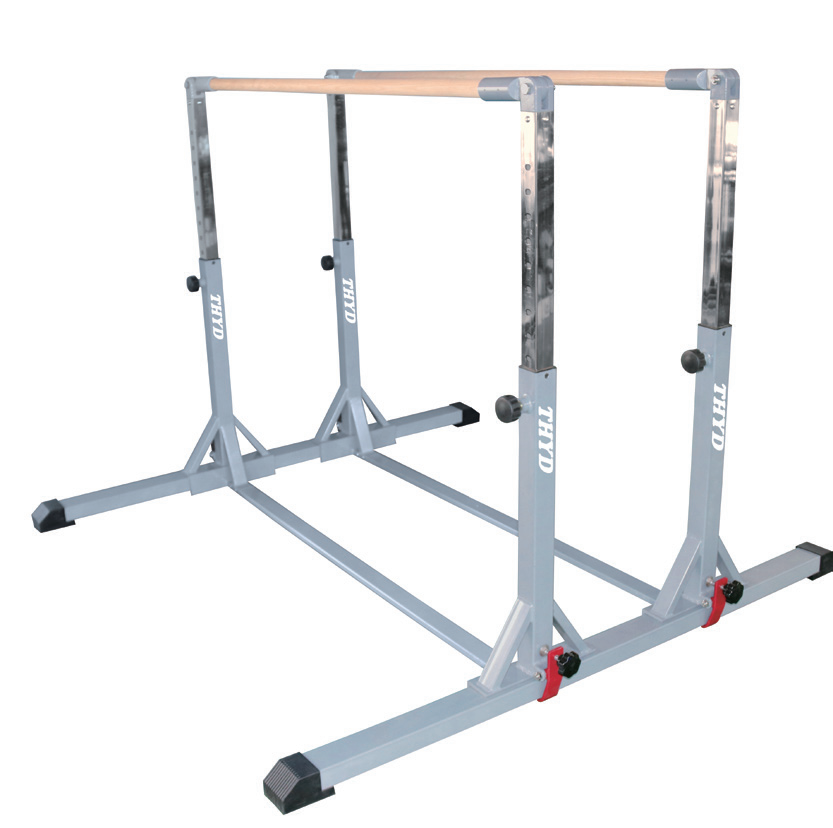
Proper installation of multiple gymnastics bars requires careful attention to spatial requirements and safety standards that ensure optimal training conditions. Professional gymnastics facilities and home training environments must consider various factors including athlete movement patterns, equipment functionality, and regulatory compliance when determining appropriate spacing between gymnastics bars. Understanding these requirements helps create safe, efficient training spaces that accommodate different skill levels and training routines.
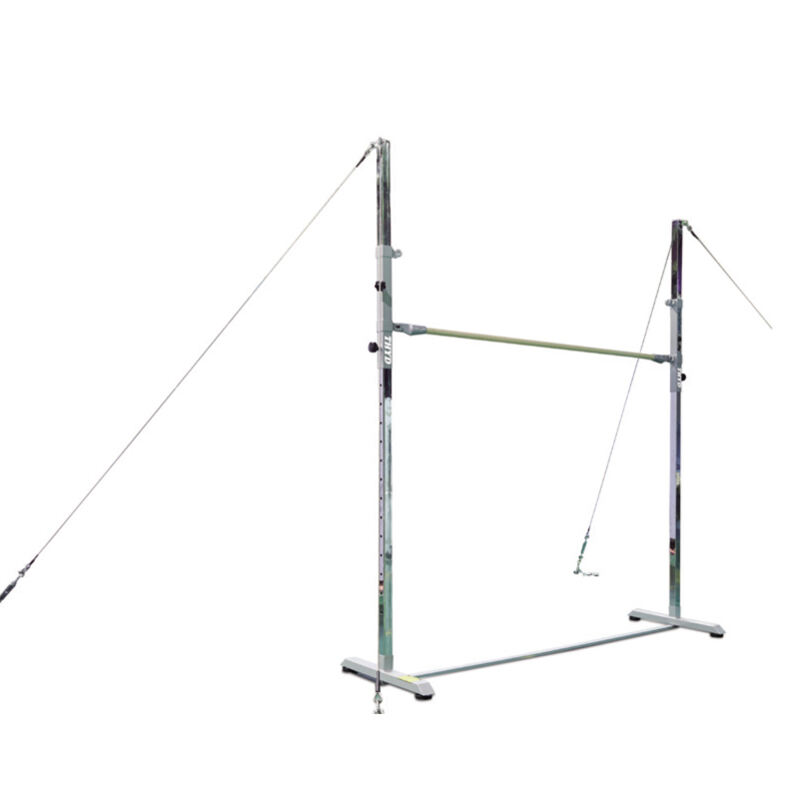
Standard Spacing Requirements for Gymnastics Bars
Horizontal Bar Spacing Guidelines
When installing multiple horizontal gymnastics bars, maintaining adequate spacing ensures athletes can perform routines safely without interference from adjacent equipment. The International Gymnastics Federation recommends minimum clearance zones that extend beyond each bar's immediate footprint. Standard horizontal gymnastics bars require at least 8 feet of clearance on all sides to accommodate swinging movements, dismount trajectories, and safety considerations during training sessions.
Professional facilities typically implement additional spacing beyond minimum requirements to enhance training flexibility and accommodate multiple athletes simultaneously. This extra space allows coaches to supervise multiple students effectively while maintaining clear sight lines throughout the training area. Advanced gymnastics bars installations often incorporate modular spacing systems that enable quick adjustments based on specific training needs or routine requirements.
Uneven Bar Configuration Standards
Uneven bar installations present unique spacing challenges due to their asymmetrical design and varied height requirements. The standard configuration places the low bar approximately 5 feet 7 inches from the ground, while the high bar reaches 8 feet 2 inches, with adjustable spacing between bars ranging from 4 feet 3 inches to 5 feet 11 inches. Multiple uneven bar sets require longitudinal spacing of at least 12 feet between each apparatus to prevent interference during complex routines.
Facility planners must consider the swing radius and release move requirements when positioning multiple uneven gymnastics bars. Athletes performing advanced skills require additional clearance for safety, particularly during transition moves between bars. The spacing must accommodate both training scenarios where athletes work on isolated skills and full routine practice where maximum clearance becomes essential for safe execution.
Safety Zone Requirements and Clearance Standards
Vertical Clearance Considerations
Adequate vertical clearance represents a critical safety requirement often overlooked during gymnastics bars installation planning. Minimum ceiling heights of 14 feet provide basic clearance for most training activities, though competitive facilities typically implement 16 to 18-foot ceiling heights to accommodate advanced skills safely. This vertical spacing prevents athletes from contacting overhead structures during high-flying dismounts or release moves.
Professional gymnastics facilities incorporate additional vertical safety measures including impact-absorbing ceiling materials and appropriate lighting configurations that don't interfere with athlete vision during routines. The vertical clearance requirements extend beyond the immediate bar area to include approach and landing zones where athletes may achieve significant height during skill execution.
Floor Surface and Landing Area Requirements
Landing area specifications directly impact spacing requirements between multiple gymnastics bars installations. Standard landing mats extend 8 feet from each side of horizontal bars and 12 feet from uneven bar configurations, creating substantial floor space requirements when multiple apparatus are installed. These landing zones cannot overlap between different bar installations, effectively determining minimum spacing requirements.
High-quality landing surfaces require consistent thickness and density to provide appropriate impact absorption while maintaining structural integrity over time. Facility designers must account for mat overlap areas, transition zones between different flooring types, and maintenance access corridors when calculating total spacing requirements for multiple gymnastics bars installations.
Equipment Specifications and Dimensional Requirements
Adjustable Bar Systems and Spacing Flexibility
Modern gymnastics bars feature adjustable components that influence spacing requirements based on user demographics and skill levels. Adjustable systems allow height modifications for different age groups and skill progressions, but these adjustments can affect required clearance zones and safety spacing between multiple installations. Facilities must plan for maximum adjustment ranges when determining permanent spacing layouts.
Multi-function gymnastics bars that serve both horizontal and uneven bar training purposes require additional considerations for spacing flexibility. These versatile systems need accommodation for configuration changes during training sessions, requiring clear transition zones and storage areas for removable components. The spacing must accommodate the largest possible configuration while maintaining functionality for alternative setups.
Structural Support and Foundation Requirements
Foundation requirements for gymnastics bars significantly impact spacing decisions due to underground structural elements and utility considerations. Concrete foundations typically extend 3 to 4 feet below ground level and require adequate separation to prevent structural interference between adjacent installations. Underground utility lines, drainage systems, and electrical conduits must be planned around foundation locations.
Above-ground structural supports include tension cables, stabilizing frames, and safety equipment mounting points that require additional clearance zones. These structural elements often extend beyond the primary equipment footprint, creating spacing requirements that exceed the apparent equipment dimensions. Professional installation teams must coordinate structural engineering requirements with gymnastics-specific spacing standards to ensure optimal functionality.
Training Environment Considerations
Multi-User Training Scenarios
Facilities designed to accommodate multiple athletes simultaneously require enhanced spacing beyond basic safety requirements. Training scenarios involving team practices, skill progression groups, and competitive preparation sessions demand additional space allocation for effective coaching and athlete movement. Multiple gymnastics bars installations must facilitate clear coaching sight lines and athlete rotation patterns during intensive training periods.
Peak training periods often involve complex scheduling where multiple gymnastics bars operate simultaneously with different skill levels and training objectives. The spacing must accommodate these diverse usage patterns while maintaining safety standards for all participants. Flexibility in training area configuration helps maximize facility utilization while preserving essential safety margins.
Coaching Access and Supervision Requirements
Effective coaching requires strategic positioning areas around each gymnastics bars installation that don't interfere with adjacent training spaces. Coach positioning zones typically require 6-foot corridors around each apparatus to enable proper spotting, instruction delivery, and emergency response access. These coaching areas must be incorporated into overall spacing calculations for multiple bar installations.
Professional coaching standards emphasize the importance of unobstructed sight lines between different training areas to maintain comprehensive facility supervision. Spacing between gymnastics bars must accommodate coach movement patterns and communication requirements while preserving athlete safety zones and equipment functionality. Advanced facilities often incorporate elevated coaching platforms that provide enhanced supervision capabilities without consuming additional floor space.
Regulatory Compliance and Industry Standards
International Federation Guidelines
International gymnastics organizations provide comprehensive guidelines for equipment spacing that influence facility design standards worldwide. These regulations establish minimum requirements for competitive facilities while offering recommendations for training environments. Compliance with international standards ensures facility compatibility with various gymnastics programs and certification requirements.
Regular updates to international gymnastics bars standards reflect evolving safety research and technological improvements in equipment design. Facility planners must stay current with regulatory changes that may affect existing installations or influence future expansion plans. Professional consultation with certified gymnastics facility designers helps ensure ongoing compliance with applicable standards.
Local Building Code Integration
Local building codes often impose additional requirements beyond gymnastics-specific standards that affect spacing and installation planning. Fire safety regulations, accessibility requirements, and structural building codes may mandate larger clearances or specific access corridors around gymnastics bars installations. Integration of these various regulatory requirements requires comprehensive planning during facility design phases.
Professional facility designers coordinate between gymnastics equipment specialists and local building authorities to ensure comprehensive compliance with all applicable regulations. This coordination process often reveals spacing requirements that exceed initial planning assumptions, emphasizing the importance of professional consultation during facility development phases.
Installation Planning and Design Optimization
Layout Efficiency and Space Utilization
Efficient facility layouts balance safety requirements with space utilization goals to maximize training capacity within available square footage. Strategic positioning of gymnastics bars can create shared clearance zones where safety areas overlap without compromising individual equipment functionality. These design optimizations require careful analysis of athlete movement patterns and training workflow requirements.
Advanced facility planning incorporates modular design concepts that enable layout modifications based on changing program needs or equipment upgrades. Flexibility in gymnastics bars positioning allows facilities to adapt to evolving training methodologies while maintaining compliance with spacing requirements. Professional designers often incorporate expansion capabilities into initial layout plans to accommodate future growth.
Technology Integration and Modern Considerations
Modern gymnastics facilities increasingly incorporate technology systems that influence spacing requirements and equipment positioning. Video analysis systems, timing equipment, and digital coaching tools require specific positioning relative to gymnastics bars installations. These technological considerations must be integrated into spacing plans to ensure optimal system functionality.
Emerging technologies such as motion capture systems and biometric monitoring require additional infrastructure that can affect spacing requirements between multiple gymnastics bars. Forward-thinking facility designs anticipate these technological needs while preserving flexibility for future innovations. Integration of smart building systems with gymnastics equipment often reveals previously unconsidered spacing requirements.
FAQ
What is the minimum spacing required between horizontal gymnastics bars
The minimum spacing between horizontal gymnastics bars should be at least 16 feet center-to-center to provide adequate clearance zones for safe training. This spacing accounts for the required 8-foot clearance on all sides of each bar, ensuring athletes can perform routines without interference from adjacent equipment or other athletes training simultaneously.
How do ceiling height requirements affect gymnastics bars installation
Ceiling heights of at least 14 feet are required for basic gymnastics bars installation, though competitive facilities typically require 16 to 18 feet for advanced training. Higher ceilings accommodate complex skills, dismounts, and release moves while providing adequate safety clearance. Insufficient ceiling height can limit training possibilities and create safety hazards during skill execution.
Can multiple gymnastics bars share landing mat areas to reduce spacing requirements
Landing mat areas cannot be shared between multiple gymnastics bars due to safety requirements and potential conflicts during simultaneous use. Each bar installation requires dedicated landing zones that extend 8 to 12 feet from the equipment, depending on the specific apparatus type. Overlapping landing areas create safety hazards and limit training effectiveness.
What additional considerations apply when installing adjustable gymnastics bars
Adjustable gymnastics bars require additional spacing considerations to accommodate maximum height and width configurations. The spacing must account for the full range of adjustment possibilities rather than just the minimum settings. Additionally, storage areas for removable components and clear zones for configuration changes must be incorporated into the overall spacing plan to ensure safe and efficient operation.
Table of Contents
- Standard Spacing Requirements for Gymnastics Bars
- Safety Zone Requirements and Clearance Standards
- Equipment Specifications and Dimensional Requirements
- Training Environment Considerations
- Regulatory Compliance and Industry Standards
- Installation Planning and Design Optimization
-
FAQ
- What is the minimum spacing required between horizontal gymnastics bars
- How do ceiling height requirements affect gymnastics bars installation
- Can multiple gymnastics bars share landing mat areas to reduce spacing requirements
- What additional considerations apply when installing adjustable gymnastics bars