 EN
EN


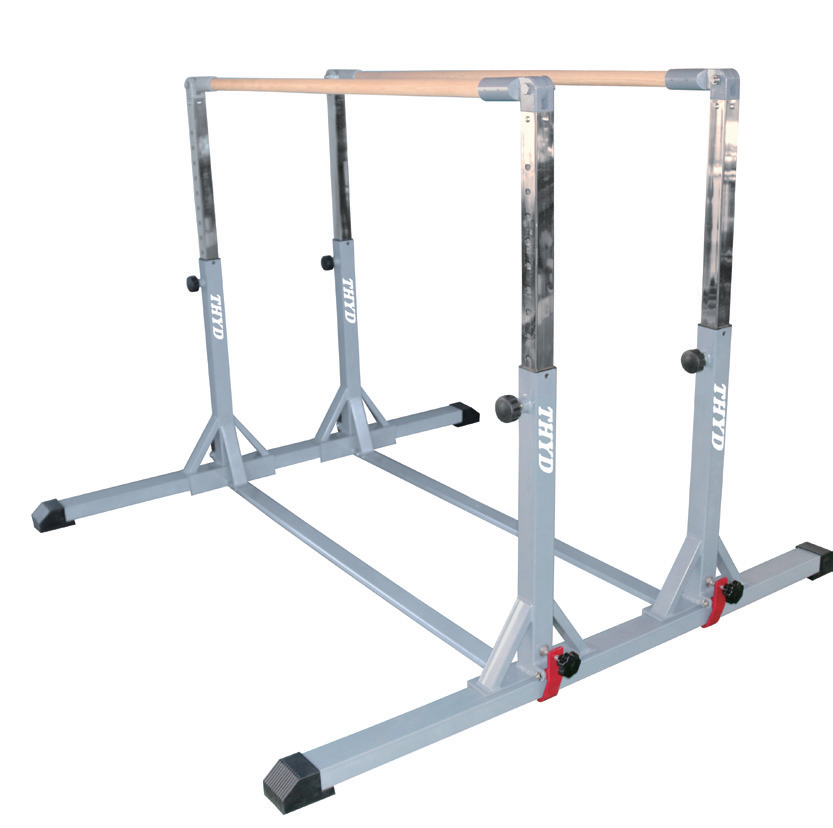
When selecting equipment for athletic training, understanding the fundamental differences between specialized apparatus becomes crucial for achieving optimal performance and safety. A gymnastics bar represents a highly specialized piece of equipment designed specifically for gymnastic routines, incorporating unique engineering standards that distinguish it significantly from standard fitness training bars. These differences extend beyond mere appearance, encompassing structural integrity, dimensional specifications, surface treatments, and safety certifications that make each type suitable for its intended purpose. Professional gymnasts, coaches, and training facilities must recognize these distinctions to ensure proper equipment selection for their specific training requirements and competitive goals.
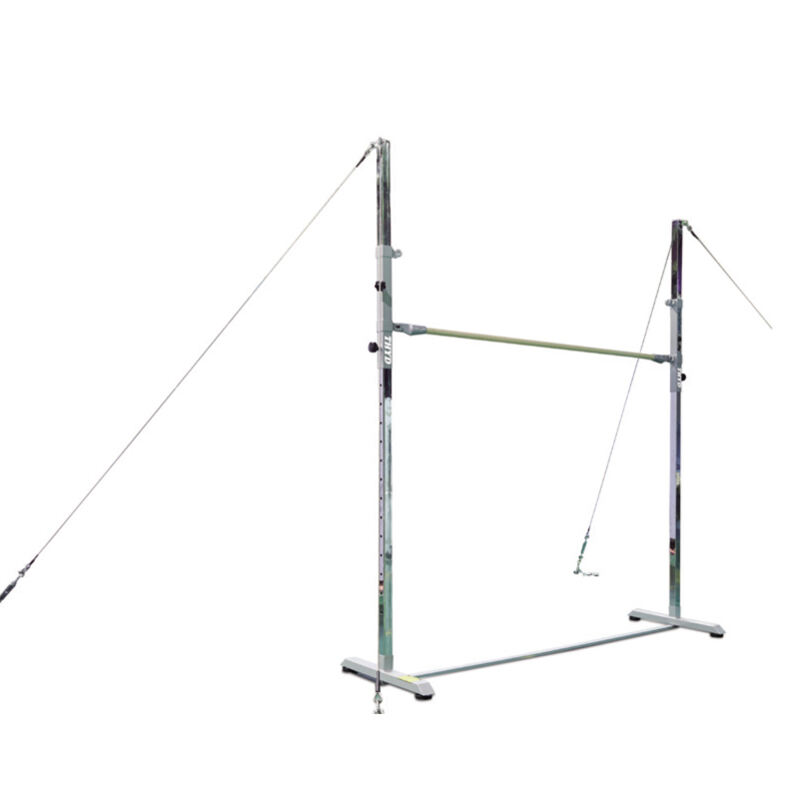
Construction Standards and Material Specifications
Steel Composition and Structural Integrity
The construction of a gymnastics bar follows strict international standards established by organizations such as the International Gymnastics Federation (FIG). These bars utilize high-grade steel alloys specifically chosen for their exceptional tensile strength and fatigue resistance properties. The steel composition typically includes carbon content optimized for flexibility while maintaining structural integrity under extreme dynamic loads. Standard fitness bars, conversely, often employ lower-grade steel or alternative materials sufficient for static weight-bearing applications but inadequate for the complex rotational forces encountered in gymnastic movements.
Manufacturing processes for gymnastics bars incorporate precision engineering techniques including computer-controlled machining and specialized welding procedures. Each gymnastics bar undergoes rigorous stress testing to ensure it can withstand forces exceeding 2000 pounds per square inch during dynamic movements. The dimensional tolerances maintained during production are significantly tighter than those required for standard fitness equipment, with variations measured in fractions of millimeters rather than the broader tolerances acceptable in general fitness applications.
Surface Treatment and Grip Characteristics
The surface treatment applied to a gymnastics bar represents another critical differentiation from standard fitness equipment. Professional gymnastics bars feature specialized coatings or treatments designed to provide optimal grip characteristics while minimizing hand injuries. These treatments often include controlled roughness patterns or specific metal finishes that enhance friction without causing excessive wear on gymnasts' hands. The surface must maintain consistent grip properties across varying environmental conditions including temperature fluctuations and humidity changes commonly encountered in training facilities.
Standard fitness training bars typically utilize chrome plating, powder coating, or basic steel finishes prioritizing durability and corrosion resistance over specialized grip requirements. While these finishes prove adequate for weightlifting and general fitness activities, they lack the nuanced surface characteristics essential for advanced gymnastic techniques requiring precise hand positioning and controlled release movements.
Dimensional Specifications and Regulatory Compliance
International Competition Standards
A professional gymnastics bar must conform to precise dimensional specifications outlined in FIG regulations, ensuring consistency across training facilities and competition venues worldwide. The standard diameter for men's horizontal bars measures exactly 28 millimeters, while uneven bars for women's gymnastics require specific diameter measurements varying between apparatus components. These specifications exist not merely for uniformity but to ensure muscle memory and technique consistency as athletes progress from training to competition environments.
Height adjustability mechanisms in competition-grade gymnastics bars incorporate precision engineering allowing for exact positioning according to individual athlete requirements and routine specifications. The adjustment systems must maintain absolute stability under dynamic loads while providing smooth, reliable height modifications. Standard fitness bars rarely incorporate such sophisticated adjustment mechanisms, typically offering basic height settings adequate for general exercise applications but insufficient for the precise positioning requirements of gymnastic training.
Load Distribution and Flexibility Requirements
The engineering behind a gymnastics bar incorporates carefully calculated flexibility characteristics allowing for controlled deflection during high-impact movements while returning to precise geometric alignment. This controlled flex behavior proves essential for advanced techniques including release moves and complex rotational sequences. The bar must demonstrate predictable behavior under varying load conditions, enabling athletes to develop consistent timing and technique execution.
Standard fitness training bars prioritize rigidity and minimal deflection to ensure stable platforms for weightlifting and resistance exercises. The engineering objectives for fitness bars focus on preventing unwanted movement or flex that could compromise exercise form or safety during loaded movements. This fundamental difference in design philosophy creates equipment unsuitable for interchange between gymnastic and general fitness applications.
Safety Certifications and Testing Protocols
Quality Assurance Standards
Professional gymnastics bar manufacturers must obtain certifications from recognized testing organizations confirming compliance with international safety standards. These certifications require extensive testing protocols including dynamic load testing, fatigue cycle analysis, and environmental condition assessments. Each gymnastics bar undergoes individual quality control inspections before approval for professional use, ensuring consistent performance characteristics across production batches.
The testing protocols for gymnastics bars include simulation of thousands of training cycles, replicating the cumulative stress encountered during years of intensive use. This comprehensive testing approach identifies potential failure modes and ensures equipment longevity under demanding training conditions. Standard fitness bars typically undergo less rigorous testing focused primarily on static load capacity and basic durability requirements appropriate for their intended applications.
Installation and Maintenance Requirements
Installation procedures for a gymnastics bar require specialized knowledge of structural engineering principles and compliance with facility safety codes. The mounting systems must distribute dynamic loads across building structures designed to accommodate the unique force patterns generated during gymnastic movements. Professional installation includes assessment of floor systems, ceiling structures, and environmental factors affecting equipment performance and safety.
Maintenance protocols for gymnastics bars involve regular inspection schedules, torque verification procedures, and surface condition assessments performed by qualified technicians. These maintenance requirements exceed those typically associated with standard fitness equipment, reflecting the critical safety implications of equipment failure during high-level athletic performance. The maintenance documentation and inspection records become essential components of facility liability management and athlete safety programs.
Performance Applications and Training Benefits
Technique Development Advantages
The specialized characteristics of a gymnastics bar enable technique development impossible with standard fitness equipment. The precise diameter, surface treatment, and flexibility characteristics allow for progressive skill advancement from basic support positions through advanced release moves and complex combinations. Athletes develop hand strength, grip endurance, and proprioceptive awareness specifically adapted to competition apparatus through consistent training on properly specified equipment.
Training progressions utilizing a gymnastics bar incorporate gradual introduction of dynamic elements building toward full routine complexity. The equipment characteristics support development of timing, spatial awareness, and kinesthetic feedback essential for advanced gymnastic performance. Standard fitness bars cannot provide the specialized feedback mechanisms necessary for developing these sport-specific adaptations, limiting their effectiveness for serious gymnastic training applications.
Injury Prevention and Biomechanical Considerations
The engineering specifications of a gymnastics bar contribute significantly to injury prevention through proper load distribution and controlled equipment behavior. The surface treatments minimize blister formation and grip-related injuries while maintaining necessary traction for secure hand positioning. The structural characteristics provide consistent performance enabling athletes to develop reliable technique patterns reducing injury risk associated with equipment variability.
Biomechanical research demonstrates that training on properly specified gymnastics bars develops joint stability, muscle coordination, and movement patterns optimized for gymnastic performance. The specific bar characteristics influence muscle activation patterns, joint loading, and movement efficiency in ways that transfer directly to competitive performance. Standard fitness bars lack these specialized characteristics, potentially creating negative training adaptations counterproductive to gymnastic skill development.
Cost Considerations and Investment Value
Initial Equipment Investment
The specialized manufacturing requirements, materials specifications, and certification processes associated with professional gymnastics bar production result in significantly higher initial costs compared to standard fitness equipment. These costs reflect the engineering complexity, quality assurance protocols, and liability considerations inherent in equipment designed for high-level athletic performance. Training facilities must evaluate these costs against the performance benefits and safety advantages provided by properly specified equipment.
Long-term value analysis of gymnastics bar investment includes consideration of equipment longevity, maintenance requirements, and performance consistency over extended use periods. Professional-grade gymnastics bars demonstrate superior durability and maintained performance characteristics compared to lower-cost alternatives, often providing better total cost of ownership despite higher initial investment requirements.
Facility Planning and Space Requirements
Installation of a gymnastics bar requires careful facility planning including adequate clearance zones, appropriate flooring systems, and structural modifications to accommodate mounting requirements. These space and infrastructure considerations add to the total investment but prove essential for safe and effective equipment utilization. The planning process must account for growth in training programs and potential expansion of equipment offerings.
Standard fitness bars typically require minimal facility modifications and can be integrated into existing gym layouts with basic mounting systems. However, this installation simplicity comes at the cost of specialized functionality and may limit facility capabilities for developing comprehensive gymnastic training programs. Facilities must balance installation convenience against long-term program development objectives when making equipment selection decisions.
FAQ
What makes gymnastics bars safer than regular fitness bars for gymnastic training
A gymnastics bar incorporates specialized safety features including precise diameter specifications, controlled flexibility characteristics, and surface treatments designed specifically for gymnastic movements. These features reduce injury risk by providing consistent grip characteristics, predictable equipment behavior, and load distribution optimized for dynamic gymnastic techniques. Regular fitness bars lack these specialized safety features and may create unpredictable conditions leading to increased injury risk during gymnastic training.
Can standard fitness bars be modified for gymnastic use
Standard fitness bars cannot be effectively modified to meet the specifications required for serious gymnastic training. The fundamental differences in steel composition, diameter specifications, surface treatments, and structural engineering make meaningful modification impractical and potentially unsafe. A gymnastics bar requires specialized manufacturing processes and materials that cannot be replicated through aftermarket modifications to standard fitness equipment.
How often should gymnastics bars be inspected and maintained
Professional gymnastics bar maintenance requires weekly visual inspections, monthly detailed examinations, and annual comprehensive assessments by qualified technicians. The inspection protocols include checking mounting hardware, surface condition, structural integrity, and dimensional accuracy. This maintenance schedule exceeds requirements for standard fitness equipment due to the critical safety implications and performance demands associated with gymnastic training applications.
What certifications should I look for when purchasing a gymnastics bar
When purchasing a gymnastics bar, look for FIG (International Gymnastics Federation) compliance certification, safety testing documentation from recognized laboratories, and manufacturer quality assurance certificates. These certifications ensure the equipment meets international competition standards and safety requirements. Additional certifications may include ISO quality management standards and specific regional safety approvals required by local athletic organizations or facility licensing authorities.