 EN
EN


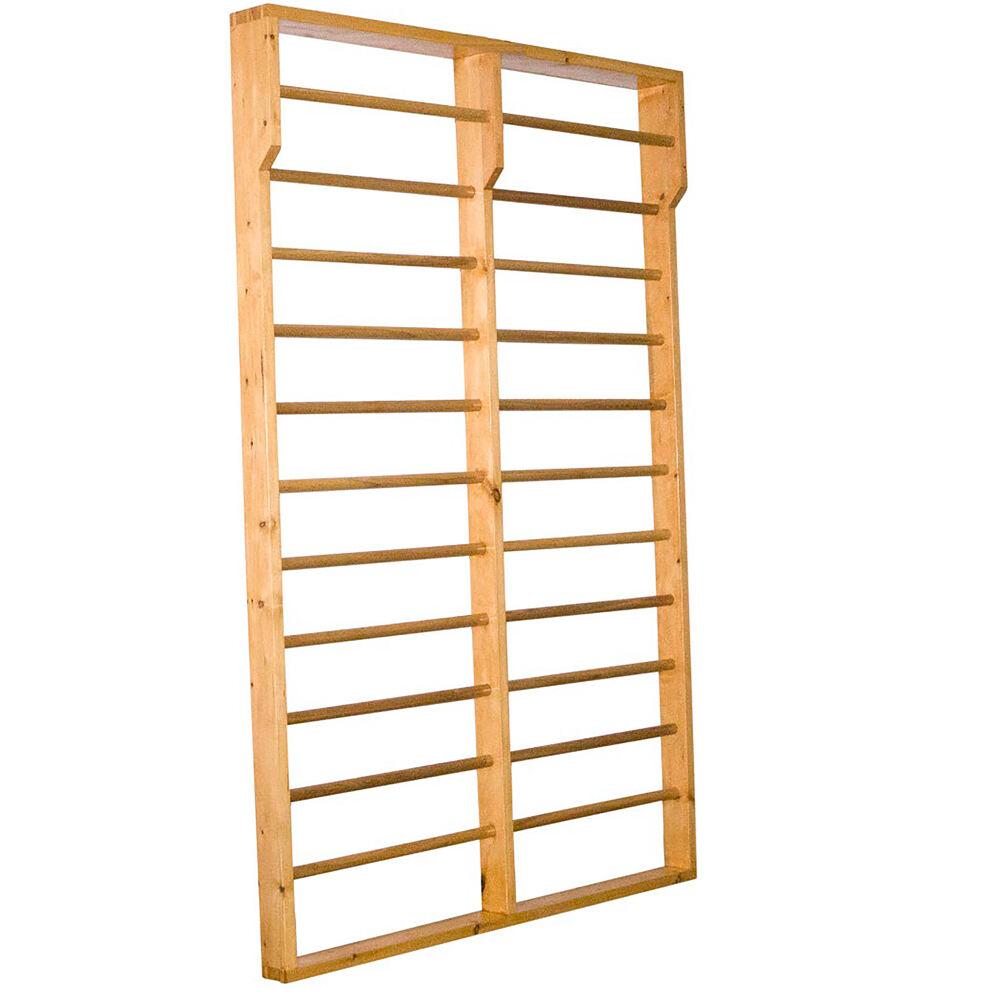
Gymnastic wall bars have become increasingly popular fitness equipment for individuals seeking to enhance their strength, flexibility, and overall physical conditioning. These versatile training tools, also known as Swedish walls or stall bars, offer comprehensive workout solutions suitable for various age demographics. Understanding which age groups benefit most from gymnastic wall bar exercises helps families, fitness enthusiasts, and rehabilitation professionals make informed decisions about incorporating this equipment into their training routines. The adaptability and progressive nature of wall bar exercises make them particularly valuable for developing fundamental movement patterns across different life stages.
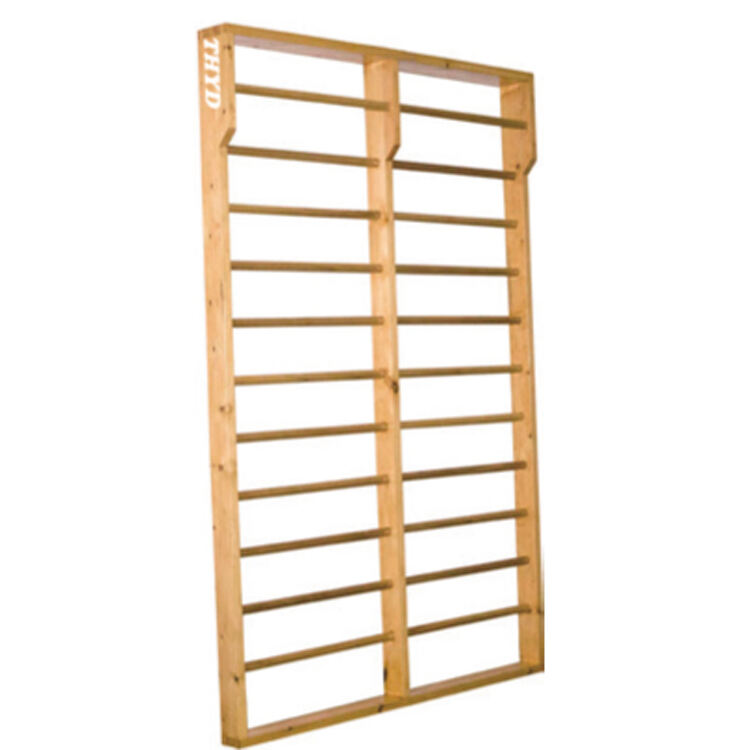
Early Childhood Development Through Wall Bar Training
Toddlers and Preschoolers Foundation Building
Children between ages 2-5 represent an ideal demographic for introducing basic gymnastic wall bar movements under proper supervision. During this critical developmental period, young children naturally gravitate toward climbing and hanging activities that support their neurological and physical growth. The gymnastic wall bar provides a controlled environment where toddlers can safely explore vertical movement patterns while building essential grip strength and spatial awareness. These early experiences with wall bars establish fundamental motor skills that serve as building blocks for more complex athletic endeavors later in life.
Preschool-aged children benefit tremendously from simple hanging exercises that strengthen their upper body musculature and improve coordination. The natural playfulness inherent in wall bar activities makes them particularly appealing to this age group, encouraging consistent engagement without the monotony often associated with traditional exercise routines. Parents and caregivers should focus on creating positive associations with physical activity through wall bar play, emphasizing fun exploration rather than structured performance metrics.
Elementary School Age Skill Development
Children aged 6-10 years old demonstrate remarkable adaptability when introduced to structured gymnastic wall bar exercises. This age group possesses the cognitive capacity to follow simple instructions while maintaining the physical flexibility necessary for effective wall bar training. Elementary school children can safely progress from basic hanging positions to more dynamic movements including knee raises, assisted pull-ups, and gentle spinal stretches. The gymnastic wall bar becomes an excellent tool for addressing common childhood posture issues related to increased screen time and sedentary activities.
School-age children also develop improved proprioception and body awareness through regular wall bar practice. These neurological adaptations contribute to better performance in other sports and physical activities while reducing injury risk during playground activities and organized athletics. The progressive nature of wall bar exercises allows children to gradually increase difficulty levels as their strength and coordination improve, fostering a sense of accomplishment and continued motivation.
Adolescent Training and Athletic Development
Middle School Transition Period
Adolescents between ages 11-14 face unique physical and emotional challenges that make gymnastic wall bar training particularly beneficial. During this transitional period, rapid growth spurts often create temporary coordination difficulties and muscle imbalances that wall bar exercises can effectively address. The structured nature of wall bar training provides adolescents with a safe outlet for physical energy while developing strength and flexibility needed to support their changing bodies. Middle school students can incorporate more advanced movements including leg lifts, back extensions, and assisted inversions under appropriate supervision.
The gymnastic wall bar also serves as valuable cross-training equipment for adolescent athletes participating in various sports. Basketball players benefit from the vertical pulling motions that complement their jumping activities, while swimmers can use wall bar stretches to maintain shoulder flexibility. The versatility of wall bar exercises makes them suitable for addressing sport-specific needs while providing a foundation of general fitness that supports overall athletic performance.
High School Athletic Performance
Teenagers aged 15-18 represent perhaps the most physically capable demographic for intensive gymnastic wall bar training programs. High school students possess the strength, coordination, and mental focus necessary for advanced wall bar techniques including full pull-ups, L-sits, and complex stretching sequences. This age group can safely incorporate gymnastic wall bar exercises into comprehensive fitness routines designed to support academic stress management and college preparation activities.
Advanced high school athletes often use gymnastic wall bar training as rehabilitation and injury prevention tools. The controlled movement patterns available through wall bar exercises help address common athletic injuries while maintaining fitness levels during recovery periods. Physical therapists frequently recommend wall bar exercises for high school athletes recovering from shoulder impingements, lower back strain, or hip flexibility limitations.
Adult Fitness and Rehabilitation Applications
Young Adult Fitness Integration
Adults aged 18-35 find gymnastic wall bar exercises particularly valuable for maintaining flexibility and strength in increasingly sedentary lifestyles. Young professionals spending extended hours at desk jobs benefit from wall bar stretches that counteract forward head posture and rounded shoulder positions. The convenience of home-based gymnastic wall bar training appeals to busy adults seeking efficient workout solutions that address multiple fitness components simultaneously. This demographic can safely progress through advanced wall bar techniques while incorporating them into existing exercise routines.
Young adults also appreciate the space-efficient nature of gymnastic wall bar equipment, making it ideal for apartment living and small home gym setups. The versatility of wall bar exercises eliminates the need for multiple pieces of equipment while providing comprehensive upper body and core strengthening options. Many young adults use gymnastic wall bar training as preparation for outdoor activities including rock climbing, hiking, and adventure sports that require functional strength and flexibility.
Middle-Aged Health Maintenance
Adults between ages 36-55 represent a growing demographic for therapeutic gymnastic wall bar applications. Middle-aged individuals often experience declining flexibility and strength that wall bar exercises can effectively address through gentle, progressive training protocols. The low-impact nature of many wall bar movements makes them suitable for adults with joint concerns or previous injury histories. Physical therapists frequently recommend gymnastic wall bar exercises for middle-aged patients dealing with chronic back pain, shoulder impingement, or hip mobility restrictions.
This age group particularly benefits from the postural correction aspects of gymnastic wall bar training. Regular practice helps counteract the cumulative effects of poor ergonomics and sedentary habits while improving overall quality of life. Middle-aged adults can safely incorporate wall bar stretches into morning routines or evening relaxation practices, making physical activity more accessible and sustainable long-term.
Senior Population and Therapeutic Benefits
Active Aging Through Wall Bar Exercise
Adults over 55 years old can safely benefit from modified gymnastic wall bar exercises designed to maintain mobility, balance, and functional strength. Senior-specific wall bar programs focus on gentle stretching, supported standing positions, and assisted range-of-motion activities that promote healthy aging. The stable support provided by gymnastic wall bar equipment makes it particularly suitable for older adults concerned about fall risk during traditional exercise activities.
Healthcare providers increasingly recommend gymnastic wall bar exercises for seniors dealing with arthritis, osteoporosis, or general deconditioning. The adjustable difficulty levels available through different bar heights and support positions allow seniors to progress at comfortable rates while maintaining safety margins. Many assisted living facilities and senior centers incorporate wall bar equipment into their wellness programs specifically because of its versatility and safety profile.
Rehabilitation and Recovery Applications
Senior adults recovering from surgery, illness, or injury find gymnastic wall bar exercises particularly valuable during rehabilitation phases. The controlled support system allows for gradual progression from passive range-of-motion activities to active strengthening exercises as recovery permits. Physical therapists working with senior populations often utilize wall bar equipment for gait training, balance improvement, and functional movement restoration. The psychological benefits of maintaining independence through wall bar exercises contribute significantly to overall recovery outcomes.
Older adults with chronic conditions including diabetes, heart disease, or neurological disorders can safely participate in modified gymnastic wall bar programs under appropriate medical supervision. The gentle nature of wall bar stretches and supported movements makes them suitable for individuals with limited exercise tolerance while still providing meaningful health benefits. Regular wall bar practice helps seniors maintain the flexibility and strength necessary for activities of daily living including reaching, bending, and climbing stairs.
Special Considerations for Different Age Groups
Safety Protocols Across Ages
Each age demographic requires specific safety considerations when engaging in gymnastic wall bar exercises. Children and adolescents need constant adult supervision and age-appropriate exercise progressions that match their developmental capabilities. Young children should focus on playful exploration rather than structured workouts, while teenagers can handle more intensive training protocols. Adult participants must consider their fitness history, injury status, and current health conditions when designing wall bar exercise programs.
Proper installation and maintenance of gymnastic wall bar equipment becomes crucial when serving multiple age groups within families or community settings. Weight limits, spacing requirements, and mounting specifications must accommodate the intended user demographics while ensuring long-term safety and durability. Regular equipment inspections and age-appropriate usage guidelines help prevent accidents and maximize the benefits of wall bar training across all age groups.
Progressive Program Development
Successful gymnastic wall bar programs adapt to the changing needs and capabilities of different age groups through carefully planned progression protocols. Younger participants benefit from frequent variety and playful challenges that maintain engagement while building fundamental skills. Older participants may prefer consistent routines that gradually increase in difficulty while respecting physical limitations and recovery needs.
Fitness professionals working with diverse age groups must understand the unique motivational factors and physical considerations relevant to each demographic. Children respond well to game-like activities and immediate feedback, while adults appreciate understanding the purpose and benefits of specific exercises. Senior participants often value gentle guidance and encouragement that respects their experience while promoting continued physical activity participation.
FAQ
What is the minimum age for safe gymnastic wall bar use
Children as young as 2-3 years old can safely use gymnastic wall bar equipment under constant adult supervision. At this age, activities should focus on simple hanging with assistance and basic climbing movements that support natural developmental patterns. The key is ensuring proper supervision and age-appropriate activities rather than structured exercise routines. Most experts recommend introducing wall bar activities when children demonstrate sufficient grip strength and coordination to support their body weight safely.
Are there maximum age limits for wall bar exercises
There are no specific maximum age limits for gymnastic wall bar exercises when properly modified for individual capabilities and health status. Adults well into their 80s and 90s can benefit from gentle wall bar stretches and supported movements under appropriate supervision. The key factors are current health status, mobility levels, and medical clearance rather than chronological age. Healthcare providers can help determine suitable modifications and safety parameters for older adults interested in wall bar training.
How often should different age groups use gymnastic wall bars
Exercise frequency recommendations vary significantly by age group and fitness goals. Young children benefit from short, frequent sessions of 10-15 minutes several times per week, focusing on play-based activities. Adolescents and young adults can safely engage in wall bar training 3-5 times per week as part of comprehensive fitness routines. Middle-aged and senior adults often find 2-3 sessions per week sufficient for maintaining flexibility and strength while allowing adequate recovery time.
Can gymnastic wall bars help with specific medical conditions
Gymnastic wall bar exercises can provide therapeutic benefits for various medical conditions including scoliosis, chronic back pain, arthritis, and postural dysfunction. However, individuals with medical conditions should always consult healthcare providers before beginning wall bar exercise programs. Physical therapists and medical professionals can design appropriate modifications and progressions that address specific health needs while ensuring safety. Wall bar exercises work particularly well as part of comprehensive treatment plans rather than standalone interventions.