 EN
EN


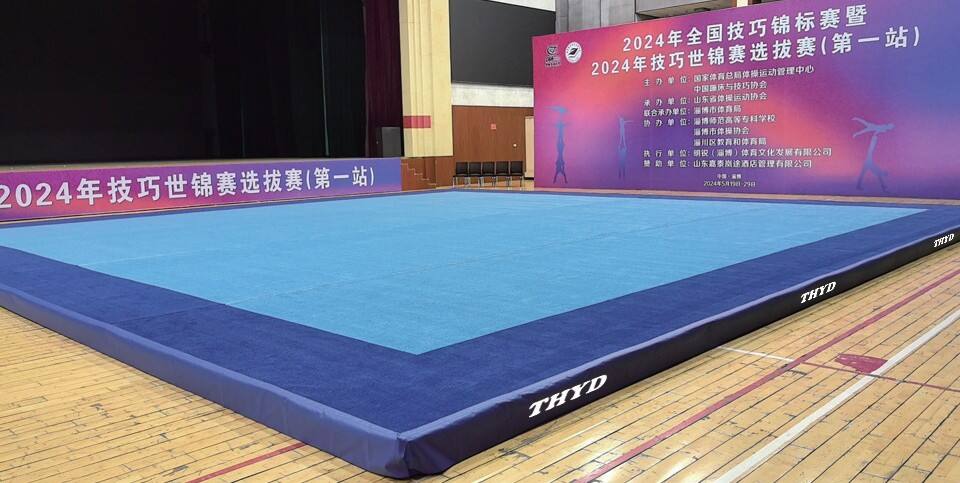
Modern gymnastics demands exceptional athletic performance while prioritizing safety and injury prevention. The foundation of any successful gymnastics program lies in understanding how specialized equipment, particularly the gymnastic floor, plays a crucial role in reducing impact stress during daily training sessions. These advanced flooring systems are engineered to absorb and distribute forces generated by high-impact movements, creating an optimal balance between performance enhancement and athlete protection. Professional gymnastics facilities worldwide rely on sophisticated gymnastic floor technology to ensure their athletes can train intensively while minimizing the risk of stress-related injuries.
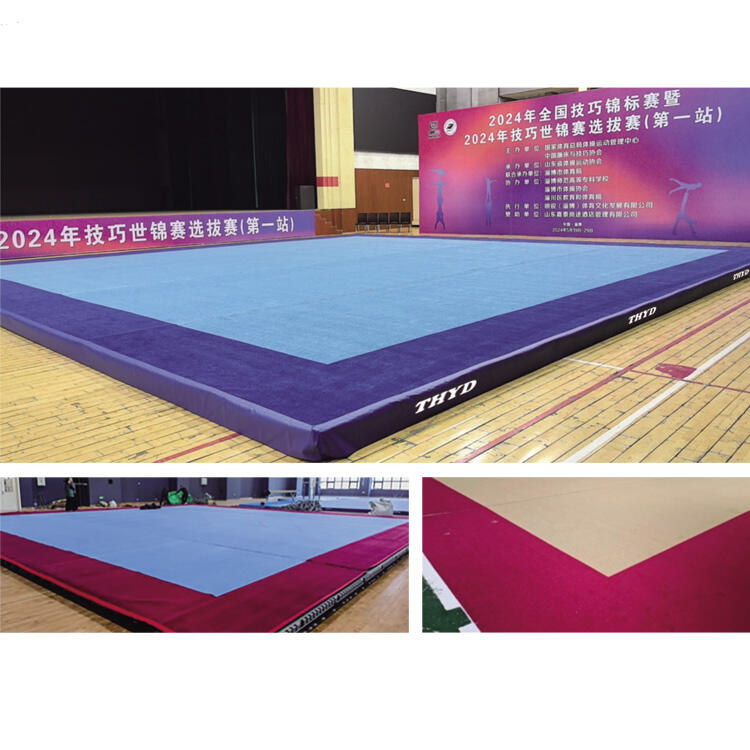
The biomechanics of gymnastics movements create substantial forces that must be properly managed to prevent overuse injuries and acute trauma. When athletes perform tumbling passes, dismounts, or landing sequences, their bodies generate impact forces that can exceed several times their body weight. Without proper shock absorption provided by a quality gymnastic floor, these forces transmit directly through the athlete's musculoskeletal system, potentially causing stress fractures, joint inflammation, and soft tissue damage. Understanding the relationship between impact forces and injury prevention forms the cornerstone of modern gymnastics facility design and equipment selection.
Understanding Impact Forces in Gymnastics Training
Biomechanical Analysis of Gymnastics Movements
Gymnastics movements generate complex force patterns that challenge the human body's structural limits. During a typical training session, athletes repeatedly subject their bodies to impact forces ranging from moderate landings to high-velocity dismounts. Research indicates that a gymnast performing a double back tuck can generate ground reaction forces exceeding eight times their body weight upon landing. These extreme forces, when multiplied across hundreds of repetitions during daily practice, create cumulative stress that can lead to overuse injuries if not properly managed by appropriate gymnastic floor systems.
The directional nature of these forces adds another layer of complexity to impact management. Vertical forces dominate during straight landings, while rotational movements introduce shear and torsional components that require sophisticated gymnastic floor engineering to address effectively. Modern athletes train at increasingly high levels, performing skills that generate forces far exceeding those encountered in recreational activities. This evolution in athletic performance demands equally advanced flooring technology to maintain safe training environments.
Cumulative Stress Accumulation During Practice
Daily gymnastics practice involves repetitive high-impact activities that create cumulative stress on athletes' bodies over time. A typical elite gymnast may perform dozens of tumbling passes, vault approaches, and dismount sequences during a single training session. Without adequate impact absorption from a properly designed gymnastic floor, these repetitive forces accumulate in the body's tissues, leading to microscopic damage that can develop into significant injuries. The concept of cumulative stress emphasizes why consistent impact reduction through quality flooring is essential rather than optional.
Training intensity has increased dramatically in modern gymnastics, with athletes spending more hours in the gym and attempting more challenging skills at younger ages. This intensification makes the role of protective equipment, especially the gymnastic floor, more critical than ever. Studies show that facilities with inadequate flooring systems report higher rates of stress-related injuries, including shin splints, stress fractures, and chronic joint problems among their athletes.
Advanced Engineering of Modern Gymnastic Floors
Multi-Layer Shock Absorption Systems
Contemporary gymnastic floor systems employ sophisticated multi-layer construction to optimize impact absorption and energy return. The foundation typically consists of specialized foam layers with varying densities, engineered to compress and rebound in specific patterns that reduce peak impact forces while maintaining surface responsiveness. These layers work in harmony to create a progressive absorption system where initial impact is captured by softer top layers, while deeper, firmer layers provide structural support and energy return for optimal athletic performance.
The engineering behind modern gymnastic floor construction involves precise calculations of compression ratios, rebound characteristics, and durability factors. Advanced materials science has enabled the development of foam compounds that maintain their shock-absorbing properties through thousands of impact cycles without significant degradation. This consistency ensures that the protective benefits of the gymnastic floor remain effective throughout the equipment's operational lifespan, providing reliable impact stress reduction for athletes at all skill levels.
Surface Technology and Traction Management
The surface layer of a gymnastic floor plays a crucial role in impact management beyond simple shock absorption. Advanced surface technologies incorporate specialized carpeting or synthetic materials designed to provide optimal traction while allowing controlled sliding during certain movements. This carefully balanced surface interaction helps athletes maintain control during landings, reducing the likelihood of awkward impacts that could bypass the floor's protective systems. The surface also contributes to impact distribution by encouraging proper landing mechanics through its responsive feel.
Modern gymnastic floor surfaces are engineered to work synergistically with the underlying absorption layers, creating a unified system that responds predictably to various types of impacts. The surface texture, friction characteristics, and flexibility are all calibrated to enhance the overall protective capabilities of the flooring system. This integrated approach ensures that the gymnastic floor functions as a complete impact management solution rather than simply a cushioned landing area.
Scientific Principles of Impact Stress Reduction
Force Distribution and Peak Load Management
The primary mechanism by which a gymnastic floor reduces impact stress involves distributing concentrated forces over larger areas and extending the time duration of impact events. When an athlete lands on a rigid surface, all impact energy must be absorbed by their body tissues in a fraction of a second. However, a properly designed gymnastic floor extends this impact duration by several milliseconds, dramatically reducing peak force loads. This temporal extension allows the athlete's neuromuscular system to engage protective responses while distributing forces more evenly throughout their skeletal structure.
Force distribution occurs both spatially and temporally within the gymnastic floor system. Spatially, the flooring spreads point loads across wider areas, reducing localized stress concentrations. Temporally, the progressive compression of multiple foam layers creates a controlled deceleration curve that minimizes peak impact forces. This dual distribution mechanism represents the fundamental scientific principle underlying effective impact stress reduction in modern gymnastics facilities.
Energy Absorption and Return Optimization
Effective gymnastic floor systems must balance energy absorption with appropriate energy return to support athletic performance. Complete energy absorption would create a dead surface that impedes athletic movement, while insufficient absorption fails to protect against impact stress. The optimal gymnastic floor achieves approximately 60-70% energy absorption while returning enough energy to support dynamic movements like rebounding and takeoffs. This balance is achieved through careful selection of foam densities, compression ratios, and layer configurations.
The energy return characteristics of a gymnastic floor contribute to both performance enhancement and injury prevention. Appropriate energy return reduces the muscular effort required for explosive movements while maintaining the protective absorption of harmful impact forces. This optimization supports longer training sessions with reduced fatigue while maintaining high levels of impact stress protection throughout the practice duration.
Long-term Health Benefits for Athletes
Injury Prevention and Career Longevity
The long-term health benefits of training on a quality gymnastic floor extend far beyond immediate injury prevention. Athletes who train consistently on proper impact-absorbing surfaces show significantly lower rates of chronic joint problems, stress fractures, and early-onset arthritis compared to those training on inadequate flooring. The cumulative protective effect of reduced impact stress allows athletes to maintain longer, more productive careers while preserving their musculoskeletal health for post-competitive life. This long-term perspective makes investment in quality gymnastic floor systems a crucial component of athlete development programs.
Career longevity in gymnastics is increasingly linked to the quality of training environments, with the gymnastic floor being a primary factor in determining an athlete's ability to withstand years of intensive training. Elite athletes who train on substandard surfaces often experience career-limiting injuries that could have been prevented with appropriate impact management systems. The protective investment in quality flooring pays dividends in reduced medical costs, fewer missed training days, and extended competitive careers.
Enhanced Recovery and Adaptation
Training on a properly designed gymnastic floor facilitates better recovery between training sessions by reducing the overall stress load on athletes' bodies. When impact forces are effectively managed, athletes experience less muscle soreness, joint stiffness, and systemic fatigue following intensive practice sessions. This enhanced recovery capacity allows for more consistent training schedules and improved adaptation to increasing skill demands. The reduced stress load also supports better sleep quality and overall wellness, contributing to comprehensive athlete development.
The physiological benefits of reduced impact stress extend to improved training adaptations at the cellular level. Excessive impact stress can interfere with the normal adaptation processes that allow athletes to develop strength, power, and skill proficiency. By managing these stress levels through appropriate gymnastic floor technology, athletes can achieve better training adaptations while maintaining their long-term health and performance potential.
Implementation Considerations for Gymnastics Facilities
Facility Design and Installation Requirements
Implementing an effective gymnastic floor system requires careful consideration of facility specifications, including subfloor preparation, ventilation requirements, and integration with existing equipment. The subfloor must provide adequate structural support while allowing proper installation of the flooring system's foundation layers. Proper ventilation prevents moisture accumulation that could compromise the foam materials' performance and longevity. These technical requirements must be addressed during facility planning to ensure optimal gymnastic floor performance and durability.
Professional installation is crucial for achieving the designed performance characteristics of a gymnastic floor system. Improper installation can create inconsistencies in shock absorption, surface levelness, and edge stability that compromise both safety and performance. Qualified installers understand the precise requirements for layer compression, seam integrity, and surface tension that ensure the gymnastic floor functions as engineered. Investment in professional installation protects the significant financial investment while maximizing the system's protective capabilities.
Maintenance and Performance Monitoring
Maintaining optimal performance from a gymnastic floor requires regular monitoring and maintenance protocols. Foam compression, surface wear, and edge integrity must be assessed periodically to ensure continued impact protection effectiveness. Advanced facilities implement performance testing protocols that measure force absorption and energy return characteristics to verify that the gymnastic floor continues to meet safety standards throughout its service life. This proactive approach prevents performance degradation that could compromise athlete safety.
Maintenance protocols for gymnastic floor systems include both daily cleaning procedures and periodic deep maintenance activities. Surface care maintains traction characteristics and appearance, while deeper maintenance addresses foam layer integrity and structural components. Proper maintenance extends the gymnastic floor's service life while preserving its impact stress reduction capabilities, ensuring consistent protection for athletes throughout the equipment's operational period.
FAQ
What makes a gymnastic floor different from regular gym flooring?
A gymnastic floor incorporates specialized multi-layer foam construction designed specifically to absorb and distribute the extreme impact forces generated by gymnastics movements. Unlike regular gym flooring that provides basic cushioning, gymnastic floor systems are engineered with precise compression ratios, energy return characteristics, and surface properties that support high-level athletic performance while protecting against stress-related injuries. The sophisticated construction includes multiple foam densities working together to create progressive shock absorption that regular flooring cannot provide.
How does impact stress reduction affect training quality?
Impact stress reduction through proper gymnastic floor systems directly enhances training quality by allowing athletes to practice more frequently with less fatigue and reduced injury risk. When impact forces are properly managed, athletes can focus on skill development and technique refinement rather than managing pain or fear of injury. The consistent, predictable surface response of a quality gymnastic floor also supports better motor learning and skill progression, as athletes can rely on uniform impact characteristics during repetitive practice sessions.
What are the long-term cost benefits of investing in quality gymnastic flooring?
Investing in quality gymnastic floor systems provides substantial long-term cost benefits through reduced injury rates, lower medical expenses, and decreased athlete downtime. Facilities with proper flooring report significantly fewer stress-related injuries, translating to reduced insurance costs and improved athlete retention. Additionally, quality gymnastic floor systems have longer service lives and maintain their protective characteristics better than cheaper alternatives, providing better value over time through reduced replacement and maintenance costs.
How often should gymnastic floor systems be evaluated for performance?
Gymnastic floor systems should undergo comprehensive performance evaluation at least annually, with daily visual inspections and monthly detailed assessments of surface condition and foam integrity. High-usage facilities may require more frequent evaluations to ensure continued impact protection effectiveness. Professional performance testing should be conducted whenever there are concerns about shock absorption characteristics or after any significant impacts that might have compromised the system's integrity. Regular evaluation ensures that the gymnastic floor continues to provide optimal impact stress reduction throughout its service life.