 EN
EN


The foundation of elite gymnastics performance lies in the precise engineering and construction of competition surfaces. A competition-grade gymnastic floor system represents the pinnacle of athletic flooring technology, incorporating advanced materials science, biomechanical engineering, and safety protocols to create an environment where athletes can perform at their absolute best. These specialized surfaces must meet rigorous international standards while providing the optimal balance of shock absorption, energy return, and stability that elite gymnasts require for their most demanding routines.
Understanding what distinguishes a truly professional gymnastics floor from recreational alternatives requires examining multiple layers of technical specifications, material properties, and performance characteristics. The investment in a proper competition-grade system reflects decades of research into athlete safety, performance optimization, and durability requirements that extend far beyond basic cushioning or aesthetic considerations.
Technical Specifications and Construction Standards
Multi-Layer Engineering Framework
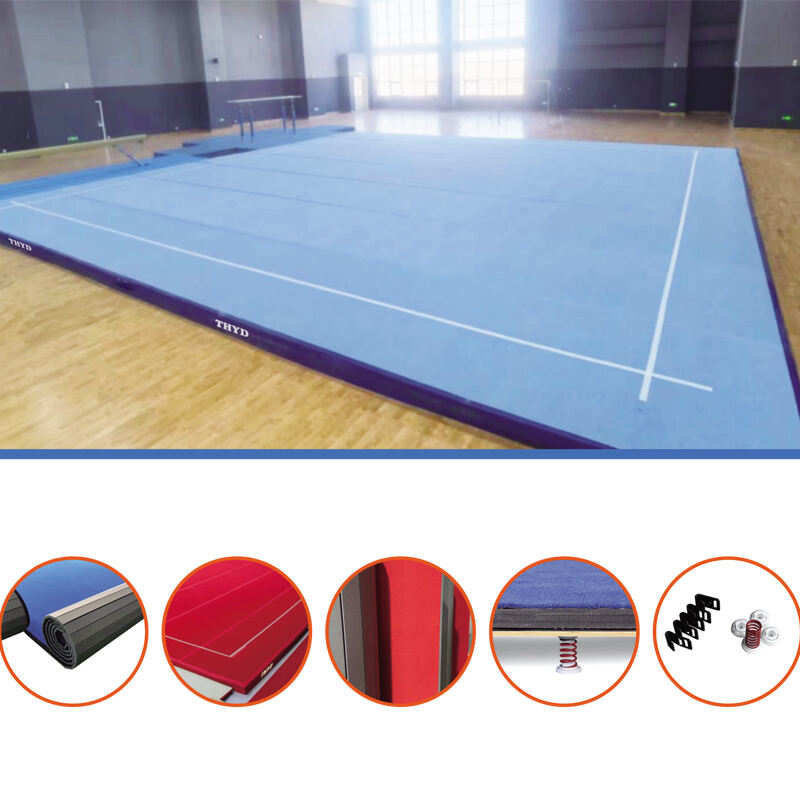
A competition-grade gymnastic floor system incorporates sophisticated multi-layer construction that addresses the complex biomechanical demands of elite gymnastics. The foundation typically consists of a rigid subfloor structure, followed by multiple foam layers of varying densities, each engineered to contribute specific performance characteristics. The top layer combines durability with optimal surface texture for athlete traction and routine execution.
The engineering process behind these systems involves precise calculations of force distribution, energy absorption rates, and rebound characteristics. Each layer serves a distinct purpose in the overall performance profile, from initial impact absorption to energy return during takeoff phases. This systematic approach ensures that the competition-grade gymnastic floor system delivers consistent performance across its entire surface area.
Quality control measures during construction include rigorous testing of layer adhesion, compression resistance, and long-term stability under repeated high-impact loading. These specifications must align with international gymnastics federation requirements while accommodating the specific needs of different skill levels and training intensities.
Dimensional Accuracy and Surface Uniformity
Precision in dimensional specifications represents a critical aspect of competition-grade systems. The floor exercise area must measure exactly 12 meters by 12 meters, with additional safety zones extending the total installation area to approximately 14 by 14 meters. This dimensional accuracy ensures compatibility with official competition requirements and athlete training consistency.
Surface uniformity across the entire competition-grade gymnastic floor system prevents inconsistent performance characteristics that could affect routine execution or athlete safety. Advanced manufacturing processes ensure that compression properties, rebound rates, and surface texture remain constant throughout the entire floor area, eliminating potential performance variations that could disadvantage athletes.
Installation protocols for competition-grade systems require specialized expertise and precise measurement techniques to achieve the necessary dimensional tolerances. Professional installation teams utilize laser-leveling equipment and specialized adhesives to ensure optimal surface flatness and long-term stability under intensive use conditions.
Performance Characteristics and Biomechanical Properties
Impact Absorption and Force Distribution
The ability to absorb and distribute impact forces represents one of the most critical performance characteristics of any competition-grade gymnastic floor system. Advanced foam technologies and spring-loaded mechanisms work together to reduce peak impact forces on athlete joints while maintaining sufficient firmness for powerful tumbling sequences and precise landings.
Biomechanical research has established optimal absorption rates that protect athletes from injury while preserving the energy transfer necessary for dynamic skills. A properly engineered competition-grade gymnastic floor system can reduce impact forces by up to 60% compared to traditional hard surfaces, significantly lowering the risk of acute and chronic injuries associated with high-impact gymnastics training.
Force distribution mechanisms ensure that impact energy spreads across multiple support points rather than concentrating at single locations. This characteristic prevents localized wear patterns and maintains consistent performance throughout the floor's operational lifetime, making it essential for facilities that host multiple training sessions and competitions.
Energy Return and Responsiveness
Energy return capabilities distinguish professional gymnastics floors from basic cushioned surfaces. A competition-grade gymnastic floor system must provide optimal energy return during takeoff phases while maintaining stability during landing sequences. This balance requires precise engineering of spring rates and compression characteristics throughout the floor's construction layers.
The responsiveness of competition surfaces enables athletes to achieve maximum height and distance in their tumbling passes while maintaining control and precision in their landings. Research indicates that properly calibrated energy return can enhance athletic performance by up to 15% compared to inadequate flooring systems, making this characteristic crucial for competitive success.
Testing protocols for energy return involve measuring coefficient of restitution across multiple impact velocities and angles. These measurements ensure that the competition-grade gymnastic floor system provides consistent responsiveness that athletes can rely on for routine execution and training progression.
Safety Standards and Risk Mitigation
Injury Prevention Technologies
Advanced safety technologies integrated into competition-grade gymnastic floor systems address multiple injury risk factors through innovative material selection and structural design approaches. These systems incorporate shock-absorbing materials that reduce stress on athlete joints, tendons, and ligaments during high-impact maneuvers while maintaining the stability necessary for precise skill execution.
The development of modern safety standards reflects extensive research into gymnastics injury patterns and biomechanical stress factors. A properly designed competition-grade gymnastic floor system can reduce injury rates by up to 40% compared to outdated flooring technologies, making safety considerations a primary factor in equipment selection for elite training facilities.
Continuous monitoring and evaluation of safety performance requires regular testing of floor characteristics and immediate attention to any degradation in protective properties. Professional facilities implement comprehensive maintenance protocols to ensure that safety standards remain consistent throughout the floor's operational lifetime.
Durability and Longevity Requirements
Competition-grade systems must withstand intensive use while maintaining their performance characteristics over extended periods. Quality materials and construction techniques ensure that these floors can endure thousands of training hours and multiple competitive events without significant degradation in safety or performance properties.
Durability testing simulates years of intensive use through accelerated wear protocols and repeated impact testing. These evaluations verify that a competition-grade gymnastic floor system will maintain its essential characteristics throughout its expected operational lifetime, typically ranging from 10 to 15 years under normal use conditions.
Long-term value considerations include not only initial purchase costs but also maintenance requirements, replacement schedules, and ongoing performance consistency. Professional-grade systems often provide superior long-term value through reduced maintenance needs and extended operational lifespans compared to lower-quality alternatives.
International Certification and Compliance Standards
Federation Requirements and Testing Protocols
International gymnastics federations maintain strict certification requirements for competition surfaces to ensure athlete safety and performance consistency across global competitions. These standards address every aspect of floor construction, from material specifications to installation procedures and ongoing maintenance requirements.
Certification processes involve comprehensive testing by accredited laboratories using standardized protocols that evaluate impact absorption, surface friction, dimensional accuracy, and long-term stability characteristics. Only floors that meet these rigorous standards can be designated as competition-grade gymnastic floor systems suitable for official competitions and elite training facilities.
Ongoing compliance monitoring ensures that installed floors continue to meet certification standards throughout their operational lifetime. Regular inspections and performance testing verify that the system maintains its approved characteristics, protecting both athletes and facility operators from liability concerns.
Quality Assurance and Manufacturing Standards
Manufacturing quality standards for competition-grade systems encompass every aspect of production, from raw material selection to final assembly and shipping procedures. These protocols ensure consistent quality across all installations while maintaining the precise specifications required for elite athletic performance.
Quality assurance programs include batch testing of materials, dimensional verification during production, and comprehensive performance testing of completed systems. These measures guarantee that each competition-grade gymnastic floor system meets the exacting standards required for professional gymnastics facilities and competitive venues.
Traceability systems maintain detailed records of materials, production dates, and performance test results for each floor system. This documentation supports warranty claims, maintenance planning, and performance monitoring throughout the floor's operational lifetime, ensuring accountability and quality control at every stage.
Installation and Maintenance Considerations
Professional Installation Requirements
Proper installation of a competition-grade gymnastic floor system requires specialized expertise and equipment to achieve the precise specifications necessary for optimal performance. Professional installation teams possess the technical knowledge and experience needed to ensure that all components are properly integrated and calibrated for elite athletic use.
Installation protocols include detailed site preparation, precise measurement and leveling, proper adhesive application, and comprehensive testing of the completed system. These procedures ensure that the competition-grade gymnastic floor system performs according to its design specifications from the moment it enters service.
Post-installation verification involves thorough testing of impact absorption, energy return, surface uniformity, and dimensional accuracy. This quality control process confirms that the installed system meets all performance requirements and safety standards before athletes begin using the facility for training or competition.
Ongoing Maintenance and Performance Monitoring
Maintaining optimal performance characteristics requires regular inspection and maintenance procedures designed specifically for competition-grade systems. These protocols address both preventive maintenance needs and corrective actions necessary to preserve the floor's performance capabilities over its operational lifetime.
Performance monitoring includes regular testing of key characteristics such as impact absorption rates, surface friction coefficients, and structural integrity indicators. This data enables facility managers to identify potential issues before they affect athlete safety or performance, ensuring that the competition-grade gymnastic floor system continues to meet professional standards.
Professional maintenance services provide specialized expertise in caring for competition-grade systems, including proper cleaning techniques, surface treatments, and repair procedures that preserve the floor's certified performance characteristics. These services ensure that the investment in professional equipment provides maximum value through extended operational life and consistent performance.
FAQ
What distinguishes a competition-grade gymnastic floor system from recreational alternatives
Competition-grade systems incorporate advanced multi-layer construction with precisely engineered foam densities, spring mechanisms, and surface materials designed to meet strict international standards for impact absorption, energy return, and dimensional accuracy. These floors undergo rigorous testing and certification processes that recreational floors do not require, ensuring consistent performance characteristics essential for elite athletic training and competition.
How long does a competition-grade gymnastic floor system typically last under intensive use
Professional competition-grade systems are engineered for operational lifespans of 10 to 15 years under normal intensive training conditions. Actual longevity depends on usage intensity, maintenance quality, and environmental factors. Regular performance monitoring and professional maintenance can extend operational life while preserving safety and performance characteristics throughout the floor's service period.
What maintenance requirements are necessary to preserve competition-grade performance standards
Maintaining competition-grade performance requires regular inspection schedules, proper cleaning techniques using approved materials, periodic performance testing of impact absorption and energy return characteristics, and prompt attention to any surface wear or damage. Professional maintenance services should be employed for major repairs or performance restoration to ensure continued compliance with safety and certification standards.
Can existing gymnasium floors be upgraded to competition-grade specifications
Upgrading existing floors to competition-grade standards typically requires complete replacement rather than modification, as the multi-layer engineering and precise specifications cannot be achieved through retrofitting. However, professional assessment can determine whether existing subflooring and facility infrastructure are suitable for supporting a new competition-grade gymnastic floor system installation.
Table of Contents
- Technical Specifications and Construction Standards
- Performance Characteristics and Biomechanical Properties
- Safety Standards and Risk Mitigation
- International Certification and Compliance Standards
- Installation and Maintenance Considerations
-
FAQ
- What distinguishes a competition-grade gymnastic floor system from recreational alternatives
- How long does a competition-grade gymnastic floor system typically last under intensive use
- What maintenance requirements are necessary to preserve competition-grade performance standards
- Can existing gymnasium floors be upgraded to competition-grade specifications