 EN
EN


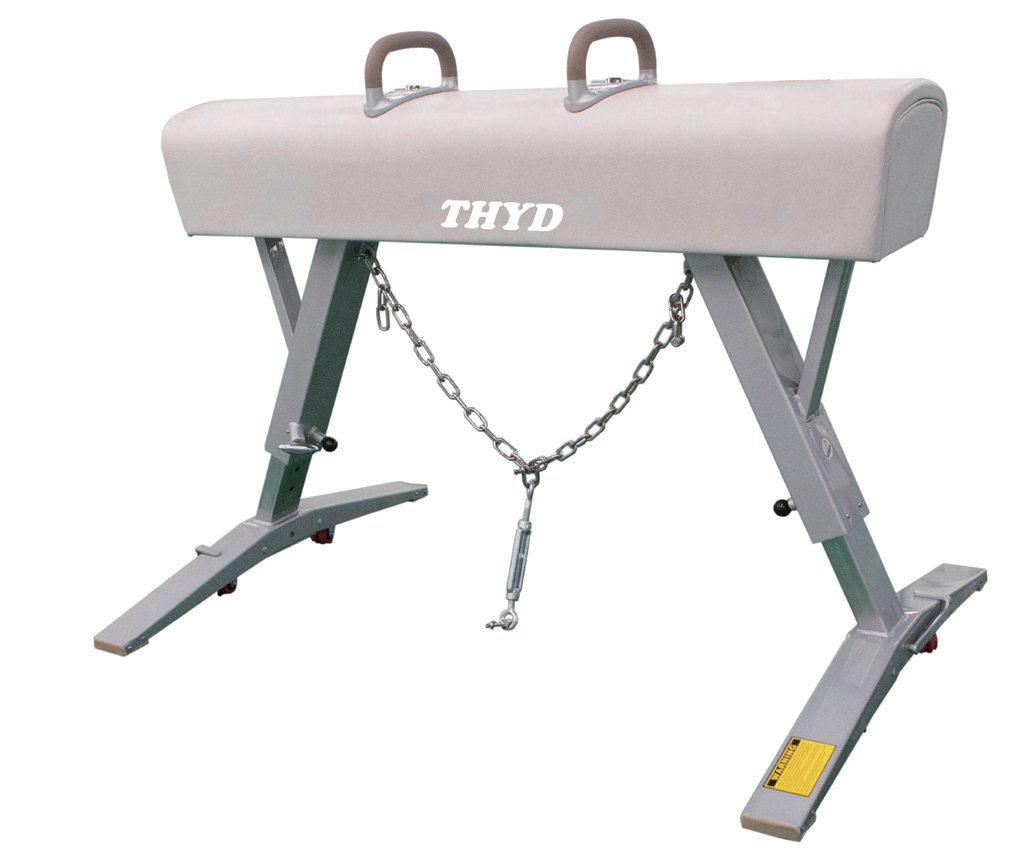
Przy zakupie materaców gimnastycznych w dużych ilościach na potrzeby obiektów komercyjnych, ośrodków szkoleniowych lub nabywców instytucjonalnych proces wyboru wymaga starannego przeanalizowania czynników wykraczających poza proste rozważania cenowe. Zakup hurtowy materaców gimnastycznych stanowi istotne inwestycje kapitałowe, które bezpośrednio wpływają na bezpieczeństwo zawodników, skuteczność treningów oraz trwałość eksploatacyjną sprzętu. Zrozumienie, które materace gimnastyczne zapewniają optymalne cechy użytkowe, standardy trwałości oraz utrzymanie wartości przy zakupach hurtowych w dużych ilościach, wymaga analizy jakości wykonania, specyfikacji materiałów, odpowiedniości do zastosowania oraz niezawodności dostawcy – czynników, które odróżniają wysokiej klasy oferty hurtowe od produktów niższej klasy.
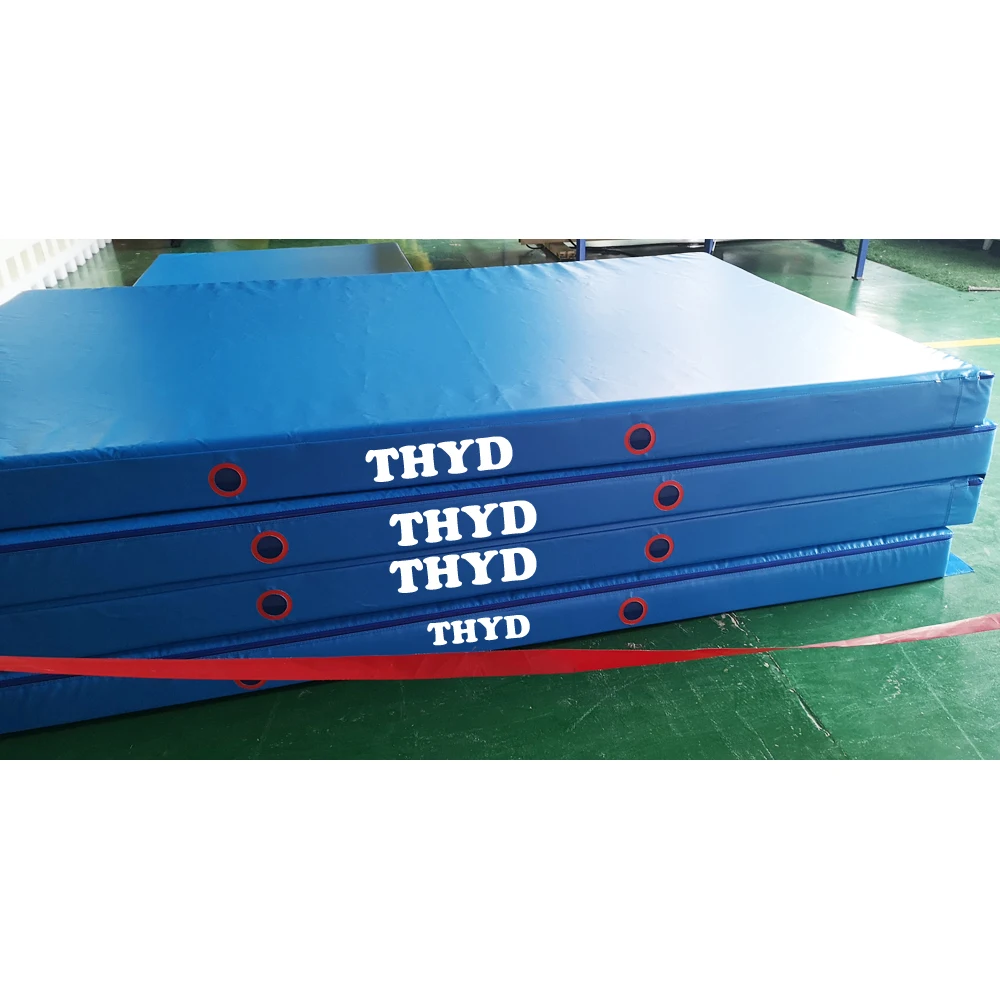
Decyzje zakupowe hurtowe materacy gimnastyczne muszą uwzględniać konkurencyjne priorytety, w tym koszty początkowych inwestycji, wydatki związane z konserwacją w całym cyklu życia produktu, zgodność z certyfikatami bezpieczeństwa, efektywność wykorzystania przestrzeni oraz możliwość dostosowania się do różnorodnych programów treningowych. Najlepsze materace gimnastyczne przeznaczone na zamówienia hurtowe charakteryzują się spójną jakością produkcji we wszystkich partiach, skalowalnymi strukturami cenowymi, które premiują zobowiązania objęte dużymi ilościami, oraz specyfikacjami technicznymi dopasowanymi do konkretnych wymagań operacyjnych Państwa obiektu. Niniejsza kompleksowa analiza omawia kluczowe kryteria wyboru, cechy użytkowe materiałów, uwarunkowania związane z konkretnymi zastosowaniami oraz elementy strategii zakupowej, które decydują o tym, które materace gimnastyczne stanowią optymalny wybór dla zakupujących na dużą skalę instytucji.
Podstawowe kryteria wyboru materacy gimnastyczne do zakupów hurtowych
Skład materiału i normy gęstości
Podstawą wysokiej jakości materaców gimnastycznych jest dobór materiałów oraz inżynieria gęstości, która decyduje o zdolności pochłaniania wstrząsów, odporności konstrukcyjnej i trwałości użytkowej. W przypadku zakupów hurtowych skład pianki stanowi główną zmienną wpływającą zarówno na początkowy koszt, jak i długoterminową wartość. Pianka polietylenu o sieci krzyżowej zapewnia doskonałą strukturę zamkniętokomórkową, która odpiera wchłanianie wilgoci, zachowuje stabilność wymiarową przy wielokrotnych uderzeniach oraz zapewnia spójne właściwości odbicia energii w różnych warunkach temperaturowych. Alternatywne pianki poliuretanowe o wysokiej gęstości oferują doskonałe właściwości amortyzacyjne przy mniejszej masie, jednak należy zwrócić szczególną uwagę na klasyfikację gęstości w zakresie 45–60 kg/m³, aby zagwarantować wystarczające wsparcie podczas wykonywania zaawansowanych umiejętności oraz zminimalizować utratę sprężystości w trakcie długotrwałego użytkowania.
Najlepsze maty gimnastyczne przeznaczone na zamówienia hurtowe zwykle charakteryzują się wielowarstwową konstrukcją łączącą pianki o stopniowo zmieniającej się gęstości, co zapewnia optymalne rozprowadzanie uderzeń. Twarda warstwa bazowa o grubości 10–15 cm zapewnia stabilną podstawę konstrukcyjną i zapobiega „przepadaniu” podczas lądowań z dużym obciążeniem, podczas gdy miększe warstwy powierzchniowe o grubości 5–8 cm zwiększają elastyczność powierzchni, chroniąc stawy. Przy ocenie dostawców hurtowych należy zażądać szczegółowych certyfikatów materiałów, w tym specyfikacji gęstości pianki, danych dotyczących odkształcenia przy ściskaniu oraz dokumentacji niezależnych badań przeprowadzonych przez podmioty trzecie, potwierdzających deklarowane właściwości użytkowe. Spójna jakość materiałów w ramach dużych serii produkcyjnych stanowi kluczowy wskaźnik wiarygodnych producentów, w przeciwieństwie do dostawców, u których wahania jakości między partiami prowadzą do niespójności w działaniu produktów i zagrażają bezpieczeństwu treningów.
Wytrzymałość materiału pokrywy i wymagania dotyczące konserwacji
Wybór materiału pokrycia znacząco wpływa na czas eksploatacji oraz obciążenie związane z konserwacją materacy gimnastycznych w środowiskach komercyjnych, w których występuje intensywne użytkowanie codzienne. Pokrycie z winylu przeznaczonego do zastosowań komercyjnych o minimalnej gramaturze 18 uncji zapewnia niezbędną odporność na zużycie, rozdarcia i przebicia powstające w wyniku wielokrotnego kontaktu z sprzętem oraz ruchu pieszych. W przypadku zamówień hurtowych należy zwrócić szczególną uwagę na podwójne przyszywanie wzdłuż szwów i miejsc narażonych na największe obciążenia, ponieważ skrócenie procesu produkcji w tych kluczowych obszarach przyspiesza wczesne uszkodzenie i wymusza kosztowną wymianę. Wbudowanie w materiał pokrycia środków przeciwdrożdżowych i przeciwbakteryjnych pozwala rozwiązać problemy higieniczne występujące w środowiskach treningowych wykorzystywanych wspólnie, hamując rozwój bakterii i grzybów, które stwarzają trudności związane z utrzymaniem czystości oraz powodują nieprzyjemne zapachy.
Tekstura powierzchni maty gimnastyczne wymaga starannego oceniania w odniesieniu do konkretnych zastosowań szkoleniowych; powierzchnie tekstylne o efekcie przeciwwyślizgowym zapewniają zwiększone przyczepność podczas wykonywania ćwiczeń akrobatycznych, podczas gdy gładkie powierzchnie ułatwiają stosowanie procedur czyszczenia. Przy porównywaniu opcji zakupu hurtowego należy sprawdzić certyfikaty odporności barwników na wypłukiwanie się, które potwierdzają, że barwniki nie blakną pod wpływem promieniowania UV oraz wielokrotnych cykli czyszczenia. Jako dodatkowe kwestie zakupowe należy wziąć pod uwagę jakość zamków błyskawicznych oraz możliwość wymiany pokrowców; obiekty prowadzące intensywne szkolenia korzystają znacznie z opcji wymiany pokrowców, co wydłuża okres użytkowania rdzenia piankowego i zmniejsza całkowity koszt posiadania w wieloletnim horyzoncie operacyjnym.
Zgodność z wymaganiami dotyczącymi certyfikacji bezpieczeństwa i ochrona przed odpowiedzialnością
Dokumentacja zgodności z przepisami i certyfikatów bezpieczeństwa stanowi nieodzowne wymagania dla zakupujących instytucjonalnych nabywających materace gimnastyczne drogą hurtową. Sprzęt spełniający normy ASTM F1292 w zakresie tłumienia uderzeń potwierdza zweryfikowaną skuteczność ochrony przed upadkami z krytycznej wysokości, podczas gdy przestrzeganie wytycznych CPSC zapewnia dodatkową gwarancję zgodności z przepisami dotyczącymi bezpieczeństwa produktów konsumenckich. Dla obiektów świadczących usługi dla młodzieży lub funkcjonujących w ramach instytucji edukacyjnych brak odpowiedniej dokumentacji certyfikacyjnej dotyczącej materacy gimnastycznych wiąże się ze znacznym ryzykiem odpowiedzialności prawnej, które znacznie przekracza wszelkie oszczędności wynikające z tzw. tanich strategii zakupowych.
Przy ocenie dostawców hurtowych należy zażądać kompleksowych pakietów dokumentacji, w tym kart charakterystyki bezpieczeństwa materiałów, wyników badań odporności na płomień zgodnych ze standardem FMVSS 302 lub odpowiednimi normami oraz potwierdzenia zawartości metali ciężkich wykazującego zgodność z przepisami ochrony konsumenta. Zakupujący z zagranicy muszą ponadto zweryfikować wymagania dotyczące certyfikacji obowiązujące w danym kraju, ponieważ europejskie normy EN, australijskie specyfikacje AS/NZS oraz regionalne ramy regulacyjne nakładają różne progi wydajności. Najlepsze partnerstwa zakupowe w hurtowni obejmują dostawców posiadających aktualne portfele certyfikatów oraz udostępniających śledzalną dokumentację łączącą dostarczone produkty z próbkami poddanymi badaniom, co zapewnia zgodność z wymogami audytu i chroni przed podmianą materiałów fałszywkami.
Dobór mat stosowanych w zależności od zastosowania dla zamówień hurtowych
Systemy mat lądowanych do szkolenia z użyciem sprzętu
Wymagania dotyczące mat lądowanych różnią się znacznie w zależności od typu sprzętu, poziomu zaawansowania umiejętności oraz intensywności treningów charakterystycznych dla profilu działania Państwa obiektu. W strefach lądowania przy poręczach asymetrycznych, belce równoważenia i skoczni gymnastyczne maty lądujące muszą zapewniać odpowiednią grubość w zakresie 20–40 cm, aby bezpiecznie zatrzymać pęd po zejściach i ruchach zwalniania, zachowując przy tym twardość powierzchni zapobiegającą niestabilności kostki podczas lądowania. Modułowe systemy mat lądujących z krawędziami do łączenia ze sobą umożliwiają elastyczną adaptację konfiguracji do różnych układów sprzętu oraz wymagań związanych z postępem w nabywaniu umiejętności, zapewniając wszechstranność operacyjną, szczególnie cenną w wielofunkcyjnych obiektach treningowych.
Strategie zakupów hurtowych powinny uwzględniać znaczną grubość i masę materacy do lądowania, ponieważ logistyka transportu oraz wymagania dotyczące przestrzeni magazynowej mają istotny wpływ na całkowite koszty zakupu. Przy porównywaniu opcji hurtowych materacy gimnastycznych przeznaczonych do stref lądowania należy priorytetowo rozpatrywać konstrukcje z wzmocnioną dolną powierzchnią oraz antypoślizgowym podłożem zapobiegającym przesuwaniu się materaca podczas wielokrotnych uderzeń. Konfiguracje składane z wzmocnionymi sekcjami zawiasów oferują korzyści w zakresie efektywności przechowywania, jednak dokładna ocena wytrzymałości zawiasów w warunkach intensywnego użytkowania pozwala uniknąć wczesnych awarii. Dla obiektów obsługujących równocześnie wiele stanowisk treningowych standaryzacja systemów modułowych z wymiennymi elementami upraszcza zarządzanie zapasami oraz umożliwia strategiczne magazynowanie części zamiennych.
Materace do akrobacji i zastosowania na podłodze podczas ćwiczeń
Wymagania dotyczące torów do kozłowania podkreślają ciągłość powierzchni, optymalne właściwości odbijania energii oraz stabilność wymiarową wspierającą długie sekwencje umiejętności bez stref utraty wydajności lub nieregularności ucisku. Najlepsze maty gimnastyczne przeznaczone do kozłowania mają zwykle szerokość 1,5–2 metra i długość 10–15 metrów, choć modułowe systemy panelowe zapewniają elastyczność konfiguracji w obiektach o ograniczonej przestrzeni. Specyfikacje gęstości pianki dla mata do kozłowania wymagają starannego doboru, ponieważ nadmierne miękkość zmniejsza moc odbicia przy startach i stabilność lądowania, podczas gdy niewystarczające amortyzowanie zwiększa obciążenie stawów oraz ryzyko urazów związanych z uderzeniem.
Przy zakupie materaców do koziołkowania drogą hurtową należy ocenić systemy łączenia paneli, zapewniające płynne przejścia między poszczególnymi sekcjami i eliminujące punkty zaczepienia przeszkadzające w wykonywaniu umiejętności. Systemy z przyczepami typu Velcro, mechanizmy magnetycznego sprzęgania oraz konstrukcje z wpustem i wpustem (tzw. „język i bruzda”) oferują różne zalety i ograniczenia pod względem szybkości montażu, bezpieczeństwa połączeń oraz długotrwałej niezawodności. W środowiskach treningowych o charakterze zawodowym należy stawiać na materace gimnastyczne o właściwościach powierzchni jak najbliższych specyfikacjom oficjalnych podłóg zawodowych, co umożliwia zawodnikom rozwijanie odpowiedniego tempa i techniki przenoszących się bezpośrednio na warunki zawodowe. Zamówienia hurtowe powinny obejmować protokoły weryfikacji wymiarów potwierdzające, że tolerancje produkcyjne zapewniają stałą grubość wszystkich paneli – odchylenia przekraczające 5 mm powodują zauważalne niespójności w działaniu.
Zastosowania specjalistyczne materaców oraz wymagania wielofunkcyjne
Oprócz podstawowego sprzętu i zastosowań związanych z przewrotami, kompleksowe wyposażenie obiektu wymaga materaców gimnastycznych spełniających specjalistyczne potrzeby szkoleniowe, w tym ćwiczenia kondycyjne, pracę nad elastycznością oraz stacje do stopniowego opanowywania umiejętności. Cieńsze materace treningowe o grubości od 5 do 10 cm wspierają rozwój podstawowych umiejętności ruchowych i niskowpływowe ćwiczenia, zajmując przy tym minimalną powierzchnię w magazynie, gdy nie są używane. Materace do jam oktagonalnych, kliny nachylone oraz geometryczne kształty treningowe rozszerzają możliwości dydaktyczne, szczególnie w obiektach przeznaczonych dla zawodników na etapie rozwojowym, którzy potrzebują sprzętu umożliwiającego stopniowe budowanie umiejętności.
Zalety zakupów hurtowych najbardziej wyraźnie ujawniają się wtedy, gdy obiekty standaryzują specyfikacje mat do użytku w wielu kategoriach zastosowań, co umożliwia korzystanie z korzyści cenowych wynikających z dużych zamówień oraz upraszcza protokoły konserwacji i zapasy części zamiennych. Należy jednak powstrzymać się przed nadmierną standaryzacją poprzez dobór nieodpowiednich specyfikacji mat do konkretnych zastosowań wyłącznie w celu maksymalizacji objętości zamówień hurtowych. Najlepsze strategie zakupu mat gimnastycznych uwzględniają równowagę między korzyściami płynącymi z konsolidacji zamówień a wymaganiami dotyczącymi wydajności specyficznej dla danego zastosowania, co może oznaczać strukturyzowanie zamówień w ramach 2–3 podstawowych kategorii mat zamiast narzucania jednolitej specyfikacji w przypadku niekompatybilnych potrzeb treningowych. W obiektach wielofunkcyjnych, które obsługują różnorodne programy wykraczające poza szczytowy poziom treningu gimnastycznego, należy nadać pierwszeństwo uniwersalnym projektom mat pozwalającym na ich zastosowanie w cheerleadingu, sztukach walki oraz ogólnych ćwiczeniach fitness, co maksymalizuje wskaźnik wykorzystania sprzętu.
Ocena dostawców hurtowych i strategia zakupów
Kontrola jakości w procesie produkcji oraz spójność partii
Możliwości produkcyjne dostawców oraz ich protokoły kontroli jakości bezpośrednio decydują o tym, czy zamówienia hurtowe mata do gimnastyki zapewniają spójną wydajność we wszystkich jednostkach, czy też ulegają wahaniom między partiami, co zagraża bezpieczeństwu treningów i trwałości sprzętu. Przy ocenie dostawców hurtowych należy zażądać dokumentacji audytu obiektu, certyfikatów systemu zarządzania jakością, takich jak ISO 9001, oraz szczegółowych opisów protokołów inspekcyjnych stosowanych w trakcie produkcji. Producentowie stosujący metody statystycznej kontroli procesu oraz regularnie przeprowadzający badania gęstości, weryfikację wymiarów i ocenę wytrzymałości szwów wykazują zaangażowanie w zapewnienie spójnej jakości wyrobu, chroniąc tym samym zakupców hurtowych przed otrzymaniem produktów niskiej jakości.
Najlepsze relacje hurtowe obejmują opcje inspekcji przed wysyłką, umożliwiające kupującym lub niezależnym usługom kontroli jakości zweryfikowanie zgodności z specyfikacją jeszcze przed przyjęciem dostawy dużych zamówień. W przypadku materaców gimnastycznych, stanowiących znaczne inwestycje kapitałowe, koszty inspekcji stanowią uzasadnione ubezpieczenie przed otrzymaniem produktów niezgodnych ze specyfikacją, wymagających kosztownych zwrotów, lub przyjęciem sprzętu o obniżonej jakości. Należy ustalić jasne kryteria akceptacji w umowach zakupowych, w tym dopuszczalne tolerancje wymiarowe, ograniczenia odchylenia gęstości oraz progi dopuszczalnych wad estetycznych, tworząc obiektywne standardy służące ocenie przydatności dostawy do zaakceptowania lub odrzucenia. Dostawcy odmawiający przeprowadzenia inspekcji przed wysyłką lub niechętni udostępnianiu szczegółowej dokumentacji procesu produkcyjnego stanowią podwyższony poziom ryzyka i nie spełniają wymogów instytucjonalnych zakupów.
Analiza struktury cenowej i ocena całkowitych kosztów
Ceny hurtowe dla materaców gimnastycznych wykraczają poza proste porównanie kosztów jednostkowych i obejmują wydatki na transport, cła importowe od dostawców zagranicznych, strukturę warunków płatności oraz czynniki związane z całkowitym cyklem życia produktu, w tym przewidywane interwały wymiany i wymagania serwisowe. Progi rabatów ilościowych różnią się znacznie w zależności od dostawcy: niektórzy oferują liniowe obniżki cen w miarę wzrostu ilości zamówienia, podczas gdy inni stosują progi cenowe z ustalonymi rabatami przy osiągnięciu określonych wielkości zamówień. Zażądaj szczegółowych macierzy cenowych obejmujących realistyczne zakresy objętości zamówień, umożliwiających dokładne prognozowanie kosztów wraz z rozszerzaniem zapasów sprzętu w Twojej placówce lub planowaniem kolejnych etapów jej rozwoju.
Koszty transportu zamówień hurtowych materaców gimnastycznych stanowią znaczne udziały w całkowitych kosztach zakupu, szczególnie w przypadku grubej systemów materaców do lądowania, których cechy wymiarowe ograniczają wydajność wykorzystania kontenerów transportowych. Porównaj ceny FOB od miejsca pochodzenia z ofertami cenowymi DDP (dostawa rozgraniczona i opłacenie cła), oceniając, który model zapewnia większą pewność kosztową oraz upraszcza administrację zakupów. W przypadku dostawców krajowych dokonaj oceny przydziału ryzyka uszkodzeń przewozowych oraz procedur wymiany jednostek uszkodzonych podczas transportu. Zakupy międzynarodowe wiążą się z dodatkową złożonością, w tym z obowiązkami dotyczącymi odbioru towarów przez cło, obliczeniami opłat celnych na podstawie zharmonizowanej nomenklatury taryfowej oraz wydłużonymi terminami dostawy, wymagającymi wcześniejszego planowania, aby zapobiec zakłóceniom operacyjnym spowodowanym brakiem sprzętu.
Zakres gwarancji oraz ocena wsparcia posprzedażowego
Warunki gwarancji oraz możliwości wsparcia posprzedażowego stanowią kluczowy element odróżniający renomowanych hurtowych dostawców materacyków gimnastycznych od sprzedawców oferujących minimalne wsparcie po zakupie. Kompleksowe zabezpieczenie gwarancyjne powinno obejmować zarówno wady materiałowe, jak i błędy wykonania w rozsądnych okresach czasu odpowiadających przewidywanemu cyklowi życia produktu; producenci premium oferują zwykle okresy gwarancji trwające od 3 do 5 lat na integralność konstrukcyjną oraz od 1 do 2 lat na elementy estetyczne. Należy starannie przeanalizować klauzule wyłączające gwarancję, ponieważ zbyt szerokie sformułowania przypisujące awarie nieprawidłowemu użytkowaniu, niewłaściwej konserwacji lub normalnemu zużyciu mogą czynić zabezpieczenie gwarancyjne praktycznie bezwartościowym.
Wsparcie posprzedażowe wykracza poza przetwarzanie roszczeń gwarancyjnych i obejmuje doradztwo techniczne dotyczące optymalnego rozkładania mat, wskazówki dotyczące konserwacji oraz dostępność części zamiennych na całym cyklu życia sprzętu. Dostawcy zapewniający łatwy dostęp do zapasów części zamiennych na potrzeby wymiany pokryć, naprawy zameczków błyskawicznych oraz wkładek piankowych zapewniają istotne korzyści operacyjne placówkom zarządzającym dużymi zapasami mat. Przy porównywaniu opcji zakupu hurtowego należy ocenić szybkość reakcji dostawcy na zapytania przed zakupem, ponieważ wzorce komunikacji podczas negocjacji sprzedażowych zwykle przewidują jakość wsparcia po zakupie. Najlepsze długoterminowe partnerstwa zakupowe zakładają, że dostawcy traktują relacje z klientami jako proces ciągły, a nie jednorazowy akt transakcyjny – co przejawia się m.in. proaktywną edukacją w zakresie konserwacji, szkoleniami z zakresu pielęgnacji sprzętu oraz okresowymi procedurami kontrolnymi jego wydajności.
Strategiczna implementacja programów zakupu hurtowego mat
Planowanie etapowego zakupu i zarządzanie budżetem
Programy zakupu dużych zestawów materacy gymnastycznych korzystają z strategii wdrożenia etapowego, które rozprowadzają wydatki inwestycyjne na wiele cykli budżetowych, umożliwiając jednocześnie zdobycie doświadczenia operacyjnego z początkowo wybranego sprzętu, co pozwala na lepsze zaplanowanie kolejnych zakupów. Zamiast przeznaczać całe budżety na wyposażenie obiektu na pojedyncze hurtowe zamówienia, strategiczni nabywcy wprowadzają zakupy w fazie pilotażowej obejmujące 20–30% całkowitych potrzeb, oceniając rzeczywiste cechy eksploatacyjne, wymagania serwisowe oraz satysfakcję użytkowników przed rozszerzeniem zamówień. Takie podejście chroni przed kosztownymi błędami w specyfikacjach oraz zapewnia przewagę w negocjacjach cenowych na kolejne etapy zakupów, opartą na udokumentowanej jakości działania dostawcy.
Planowanie budżetu na zakup materaców gimnastycznych powinno uwzględniać prognozowanie wymiany w całym cyklu życia sprzętu, przy czym należy przewidywać, że materace do lądowania o wysokim stopniu użytkowania mogą wymagać wymiany po 5–7 latach, podczas gdy materace do akrobacji o niższym obciążeniu mogą zapewniać okres użytkowania wynoszący 8–10 lat przy odpowiedniej konserwacji. Należy utworzyć dedykowane rezerwy na wymianę sprzętu finansowane z corocznych alokacji, co zapobiegnie degradacji obiektu w sytuacji, gdy wiele systemów materaców osiągnie jednocześnie granicę swojego użytkowego okresu życia. Dla rozwijających się obiektów strategia początkowego zakupu powinna uwzględniać możliwość modułowej ekspansji – zakupiony sprzęt (materace gimnastyczne) powinien mieć takie specyfikacje i mechanizmy połączenia, które umożliwiają bezproblemową integrację dodatkowych jednostek w miarę wzrostu liczby treningów lub rozszerzania oferty o nowe dyscypliny.
Rozwijanie relacji z dostawcami oraz negocjacje umowne
Nawiązywanie produktywnych, długoterminowych relacji z dostawcami hurtowych materacy gymnastycznych generuje znaczną wartość wykraczającą poza oszczędności wynikające z początkowej transakcji, w tym priorytetowe harmonogramy produkcji, możliwość dostosowania specyfikacji oraz elastyczną obsługę w przypadku nagłych potrzeb wymiany. Profesjonalni zakupujący inwestują wysiłek w rozwijanie relacji z dostawcami poprzez jasną komunikację, rozsądne podejście do negocjacji oraz wiarygodne spełnianie zobowiązań płatniczych, co umacnia pozycję ich organizacji jako preferowanych klientów, zasługujących na podwyższony poziom obsługi. Wieloletnie porozumienia ramowe z ustalonymi celami objętościowymi, lecz elastycznym harmonogramem dostaw, zapewniają dostawcom pewność planowania, umożliwiając jednoczesne oferowanie konkurencyjnych cen i zachowanie elastyczności dla kupującego.
Strategie negocjacji umów zakupu hurtowych dywaników gimnastycznych powinny obejmować harmonogram dostaw zgodny z wymaganiami operacyjnymi, strukturę warunków płatności zapewniającą równowagę między zarządzaniem przepływem środków pieniężnych a rabatami za wcześniejszą zapłatę oraz protokoły zmian specyfikacji uwzględniające dynamicznie zmieniające się potrzeby obiektu. Należy zawrzeć postanowienia dotyczące okresowych przeglądów cen odzwierciedlających wahania kosztów surowców, jednocześnie chroniące przed dowolnymi podwyżkami, oraz ustalić jasne mechanizmy rozstrzygania sporów, aby zapobiec eskalacji drobnych problemów do zakłóceń w procesie zakupów. Dla nabywców instytucjonalnych podlegających formalnym przepisom zakupowym należy zapewnić zgodność struktury umowy z wymogami przetargów konkurencyjnych, standardami dokumentacji oraz progami uprawnień do zatwierdzania umów, zachowując przy tym wartość relacji partnerskiej poprzez dobrze skonstruowane specyfikacje, które stawiają na jakość i wartość użytkową w całym cyklu życia produktu, a nie wyłącznie na najniższą początkową cenę.
Planowanie instalacji i integracja operacyjna
Skuteczne wdrożenie hurtowych zamówień na maty gimnastyczne wymaga wcześniejszego planowania, uwzględniającego logistykę dostaw, alokację magazynów, kolejność instalacji oraz szkolenie personelu w zakresie prawidłowej obsługi i konserwacji sprzętu. Harmonogramy dostaw należy koordynować z dostępnością obiektu, zapewniając odpowiednią przestrzeń i zasoby ludzkie do odbioru dużych przesyłek oraz przeprowadzając dokładne kontrole odbiorcze przed odjazdem pojazdów transportowych. W przypadku obiektów o ograniczonej pojemności magazynowej należy negocjować rozłożone w czasie harmonogramy dostaw, które dostosują dostawy mat do harmonogramów instalacji, zapobiegając przepełnieniu magazynów i utrzymując tempo projektu.
Opracuj kompleksowe programy szkoleniowe dotyczące pielęgnacji sprzętu, zapewniające, że personel trenerski oraz pracownicy odpowiedzialni za konserwację obiektu rozumieją właściwe procedury czyszczenia materacy gimnastycznych, wymagania dotyczące ich przechowywania oraz ograniczenia w zakresie użytkowania, co maksymalizuje trwałość sprzętu. Udokumentuj harmonogramy konserwacji zalecane przez producenta, włączając do nich regularne protokoły inspekcyjne pozwalające na wczesne wykrywanie śladów zużycia lub uszkodzeń wymagających naprawy, zanim dojdzie do zagrożenia bezpieczeństwa. Wdroż strategie rotacji sprzętu, które równomiernie rozprowadzają obciążenie użytkowe pomiędzy kilkoma zestawami materacy, zapobiegając przyspieszonemu zużyciu najczęściej używanych elementów i jednocześnie wydłużając ogólną żywotność zapasów. Pierwotne inwestycje w odpowiednie planowanie montażu oraz edukację personelu przynoszą istotne korzyści w postaci wydłużonej żywotności sprzętu oraz poprawy bezpieczeństwa.
Często zadawane pytania
Jaka jest minimalna ilość zamówienia, która zwykle uprawnia do cen hurtowych na materace gimnastyczne?
Progi cenowe hurtowe różnią się znacznie w zależności od dostawcy i typu mat, choć większość producentów ustala minimalne ilości zamówienia w zakresie 10–20 sztuk dla standardowych mat lądowalnych oraz 5–10 zestawów dla modułowych systemów do akrobatyki. Specjalistyczne lub niestandardowe maty gimnastyczne mogą wymagać wyższych minimalnych ilości zamówienia – od 20 do 50 sztuk – aby uzasadnić koszty przygotowania produkcji. Niektórzy dostawcy stosują struktury cenowe z progresywnymi rabatami na kolejnych progach ilościowych, podczas gdy inni oferują ceny hurtowe uprawnionym nabywcom instytucjonalnym niezależnie od konkretnej wielkości zamówienia. Przy porównywaniu ofert należy zażądać szczegółowych macierzy cenowych zawierających ceny jednostkowe w realistycznych zakresach ilościowych, a nie akceptować ofert dotyczących pojedynczej sztuki, co umożliwia dokładne zaplanowanie budżetu zgodnie z konkretnymi wymaganiami zakupowymi.
Jak importowane maty gimnastyczne porównują się z opcjami produkowanymi lokalnie w przypadku zamówień hurtowych?
Dostawcy międzynarodowi, w szczególności producenci z azjatyckich centrów produkcyjnych, często oferują ceny jednostkowe o 20–40% niższe niż alternatywne rozwiązania krajowe, choć analiza całkowitych kosztów musi uwzględniać wydatki na transport, cła importowe, wydłużone terminy dostawy oraz trudności w komunikacji. Poziom jakości importowanych materacyków gimnastycznych różni się znacznie – od premiumowych produktów spełniających międzynarodowe normy bezpieczeństwa po towary niskiej klasy wykonane z materiałów niższej jakości i poddane niewystarczającej kontroli jakości. Dostawcy krajowi zapewniają zazwyczaj takie korzyści jak krótsze czasy realizacji zamówień, uproszczona obsługa gwarancyjna, łatwiejsze audyty obiektów w celu weryfikacji zdolności produkcyjnych oraz mniejsze ryzyko nieporozumień dotyczących specyfikacji. Dla dużych zakupujących instytucjonalnych optymalnym podejściem jest często wykorzystywanie zakwalifikowanych dostawców krajowych do zaspokajania natychmiastowych potrzeb i projektów wymagających krótkich terminów realizacji, przy jednoczesnym strategicznym wykorzystaniu źródeł międzynarodowych w ramach zaplanowanych programów zakupów z wystarczającymi buforami czasowymi.
Jakie procedury inspekcyjne powinni zastosować nabywcy przy odbiorze partii materiałów do gimnastyki?
Kompleksowe protokoły inspekcji przy odbiorze rozpoczynają się od weryfikacji liczby kartonów oraz badania zewnętrznego opakowania w celu wykrycia uszkodzeń powstałych podczas transportu przed podpisaniem dokumentów potwierdzających odbiór. Otwórz i sprawdź statystyczną próbkę stanowiącą co najmniej 10–20 % przesłanych jednostek, wykonując pomiary wymiarów za pomocą skalibrowanych narzędzi w celu potwierdzenia zgodności z określonymi tolerancjami grubości, oceniając jakość wykonania szwów oraz testując materiał powłoki pod kątem odpowiedniego napinania i braku wad na powierzchni. W celu oceny integralności rdzenia piankowego przeprowadź ręczne testy uciskania z użyciem umiarkowanego nacisku w kilku miejscach każdej macierzy, aby zweryfikować jednolitą gęstość oraz odpowiednią sprężystość – bez nadmiernego miękkości lub twardych obszarów. Udokumentuj wszystkie wyniki inspekcji za pomocą datowanych zdjęć oraz oddziel wszelkie jednostki niezgodne z wymaganiami jeszcze przed wyjazdem pojazdów transportowych, co ułatwi rozpatrzenie roszczeń dotyczących uszkodzonych lub niespełniających standardów artykułów wymagających wymiany lub korekty księgowej.
Czy obiekty mogą mieszać różne marki i specyfikacje mat przy tworzeniu inwentarza sprzętu?
Choć technicznie możliwe, łączenie materaców gimnastycznych od różnych producentów powoduje komplikacje operacyjne, w tym niestabilne cechy użytkowe, które dezorientują zawodników, niezgodne systemy połączeń uniemożliwiające konfiguracje modułowe oraz skomplikowane procedury konserwacji wymagające zastosowania różnych środków czyszczących lub metod naprawy. W przypadku programów zakupowych na skalę hurtową standaryzacja wokół jednego dostawcy lub wysoce kompatybilnej linii produktów upraszcza zarządzanie zapasami, umożliwia korzystanie z korzyści cenowych wynikających z zakupów hurtowych oraz zapewnia spójne cechy powierzchni treningowej we wszystkich obszarach obiektu. Głównym wyjątkiem są zastosowania specjalistyczne o unikalnych wymogach, których nie spełnia standardowa oferta dostawcy; w takich przypadkach selektywne włączenie materaców gimnastycznych innych producentów do określonych zastosowań może okazać się konieczne, przy jednoczesnym zachowaniu standaryzacji w zakresie podstawowych kategorii sprzętu treningowego.
Spis treści
- Podstawowe kryteria wyboru materacy gimnastyczne do zakupów hurtowych
- Dobór mat stosowanych w zależności od zastosowania dla zamówień hurtowych
- Ocena dostawców hurtowych i strategia zakupów
- Strategiczna implementacja programów zakupu hurtowego mat
-
Często zadawane pytania
- Jaka jest minimalna ilość zamówienia, która zwykle uprawnia do cen hurtowych na materace gimnastyczne?
- Jak importowane maty gimnastyczne porównują się z opcjami produkowanymi lokalnie w przypadku zamówień hurtowych?
- Jakie procedury inspekcyjne powinni zastosować nabywcy przy odbiorze partii materiałów do gimnastyki?
- Czy obiekty mogą mieszać różne marki i specyfikacje mat przy tworzeniu inwentarza sprzętu?