 EN
EN


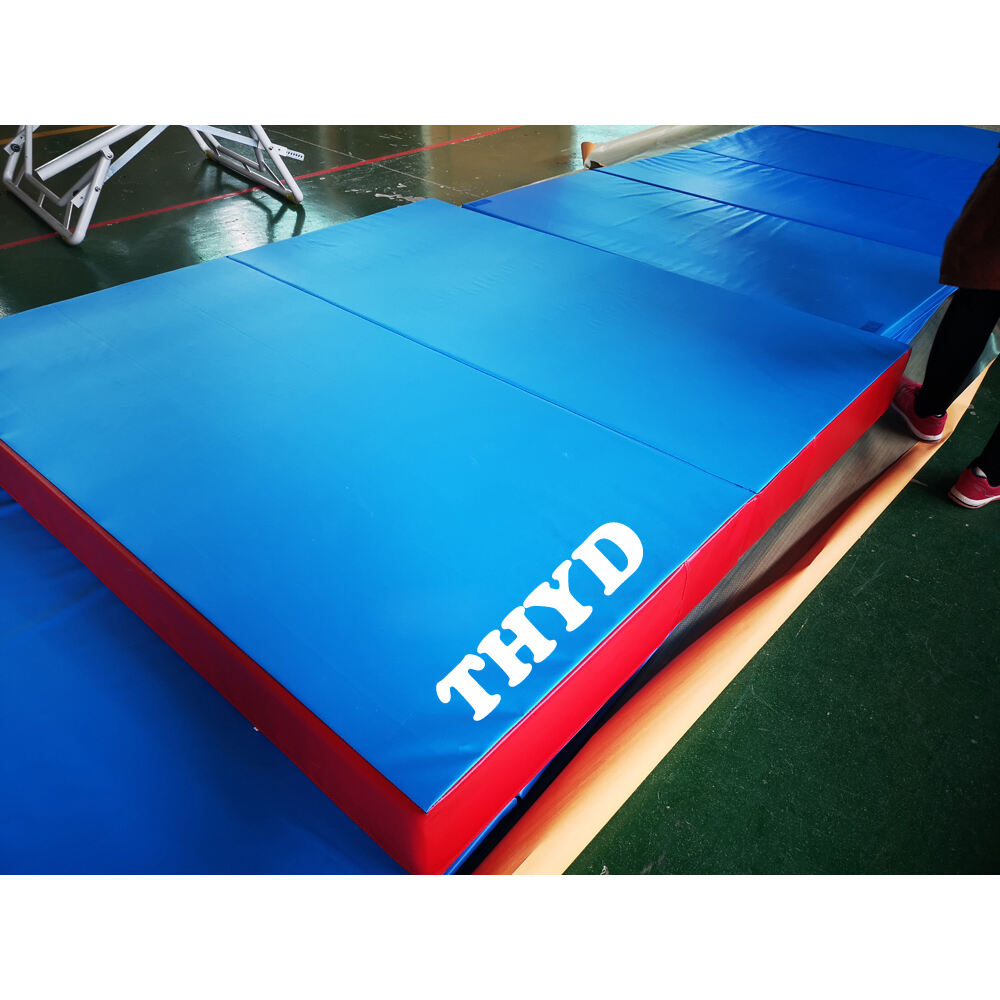
انتخاب ماتهای مناسب ژیمناستیک برای اماکن تمرین و باشگاهها نیازمند بررسی دقیق عوامل متعددی است که ضخامت یکی از مهمترین آنهاست و تأثیر مستقیمی بر ایمنی و عملکرد ورزشکاران دارد. برنامههای حرفهای ژیمناستیک به سطوح محافظتی باکیفیت بالا نیاز دارند که بتوانند سطح مهارتهای مختلف را — از غلتیدن مبتدیان تا حرکات رقابتی پیشرفته — پوشش دهند. ضخامت ماتهای ژیمناستیک بهطور مستقیم بر جذب ضربه، محافظت از مفاصل و اثربخشی کلی تمرین تأثیر میگذارد؛ بنابراین درک مشخصات بهینه توسط صاحبان باشگاه و مربیان برای نیازهای خاص آنها ضروری است.
درک دستهبندیهای استاندارد ضخامت برای محیطهای آموزشی
مشخصات ضخامت سطح مقدماتی
ژیمناستهای مبتدی معمولاً از تشکهای ژیمناستیک با ضخامت ۱.۵ تا ۲ اینچ بهره میبرند که بالشتک کافی برای تمرینات پایه روی زمین و توالیهای ابتدایی غلت زدن را فراهم میکند. این گزینههای نازکتر، محافظت کافی را ارائه میدهند و در عین حال ثبات را برای حرکات اساسی مانند غلت زدن، چرخ و فلک و پرشهای اولیه حفظ میکنند. مراکز آموزشی اغلب از این دسته ضخامت برای مناطق گرم کردن و کلاسهای مقدماتی که ورزشکاران در حال توسعه هماهنگی و اعتماد به نفس هستند، استفاده میکنند. بالشتک متوسط به دانشآموزان این امکان را میدهد که در حین مراحل کسب مهارت، تماس با زمین را احساس کنند و در عین حال از محافظت در برابر ضربه ضروری برخوردار باشند.
بیشتر ماتهای ورزشی سطح مبتدی در این محدوده ضخامت، هستههای فوم با چگالی بالا دارند که بهصورت یکنواخت تحت وزن بدن فشرده میشوند و شرایط سطحی ثابتی را در طول جلسات تمرینی ایجاد میکنند. این قابلیت اطمینان برای حفظ توسعه صحیح تکنیک و ساخت حافظه عضلانی در ورزشکاران جوان بسیار حیاتی است. باشگاههای ژیمناستیک اغلب این مشخصات را برای سطوح زمین گستردهای که در آن چندین دانشآموز بهطور همزمان تمرین میکنند، انتخاب میکنند؛ زیرا ضخامت کمتر این ماتها نیاز به فضای انبارش را کاهش داده و تغییر سریع تنظیمات بین فعالیتهای مختلف تمرینی را تسهیل میکند.
ابعاد مات تمرینی میانی
توسعه مهارتهای میانی معمولاً نیازمند تشکهای ژیمناستیک با ضخامتی بین ۲٫۵ تا ۴ اینچ است که قادر به پذیرش حرکات پویاتر و فرودهای با برخورد شدیدتر هستند؛ این فرودها با پیشرفت سطح مهارتهای ورزشکاران همراه است. ورزشکارانی که روی حرکاتی مانند پرش دست به عقب، غلتیدن جلویی و حرکات هوایی ابتدایی کار میکنند، بهطور قابلتوجهی از جذب ضربه بهبودیافتهای که این سطوح با ضخامت متوسط فراهم میکنند، بهره میبرند. برنامههای تمرینی اغلب دانشآموزان را زمانی که قدرت، هماهنگی و آگاهی فضایی بهبودیافتهای را نشان دادهاند — که برای انجام مهارتهای پیچیدهتر لازم است — به این دستهبندی ضخامت منتقل میکنند.
عمق اضافی فشردگی در ماتهای وسطی ژیمناستیک، امکان تمرین ایمنتر مهارتهای وارونه و عناصر چرخشی را فراهم میکند، در عین حال بازخورد کافی برای مکانیک صحیح فرود نیز ارائه میدهد. مربیان این محدوده ضخامتی را قدردانی میکنند، زیرا تعادل بهینهای بین حفاظت و آگاهی حسی-حرکتی (پروپریوسپشن) ایجاد میکند و به ورزشکاران اجازه میدهد تا با حفظ استانداردهای ایمنی، اعتمادبهنفس خود را در اجرای تدریجی مهارتهای پیچیدهتر توسعه دهند. بسیاری از مراکز ژیمناستیک مناطق خاصی را با ماتهای با ضخامت متوسط برای ایستگاههای مهارتی و دنبالههای تمرینی تدریجی اختصاص میدهند.
نیازمندیهای رقابتی پیشرفته و ضربههای شدید
مشخصات فنی ماتهای عملکرد نخبوانه
ورزشکاران پیشرفته و رقابتی معمولاً به ماتهای ژیمناستیک با ضخامتی بین ۵ تا ۸ اینچ نیاز دارند تا بتوانند مهارتهای سطح بالا از جمله حرکات دوبل لیآوت (Double Layout)، فرودهای پیچشی (Twisting Dismounts) و حرکات پیچیده غلتانی (Complex Tumbling Passes) را بهصورت ایمن اجرا کنند. محیطهای آموزشی نخبگان، قابلیت جذب ضربه در بالاترین سطح را میطلبد تا بتواند نیروهای قابل توجه ایجادشده در حین اجرای حرکات پیشرفته را بهطور مؤثر پراکنده سازد. این ماتهای ضخیم از ساختار چندلایهای تشکیل شدهاند که با تراکمهای مشخصی از فوم طراحی شدهاند تا حداکثر محافظت را فراهم کنند، در عین حال سفتی مناسب سطح برای حرکات انفجاری را حفظ نمایند.
برنامههای حرفهای ژیمناستیک سرمایهگذاری میکنند و از ماتهای ژیمناستیک باکیفیت بالا در این دستهبندی ضخامتی استفاده میکنند، زیرا این ماتها بهطور مستقیم به افزایش طول عمر ورزشکاران و پیشگیری از آسیبها در سطوح رقابتی کمک میکنند. جذبکنندگی بهبودیافته این ماتها امکان تمرین مکرر مهارتهای با درجه سختی بالا را برای ژیمناستها فراهم میسازد، بدون اینکه استرس بیش از حدی بر مفاصل وارد شود؛ این امر به تکمیل مهارتها و توسعه روتینهای ورزشی کمک میکند. آمادهسازی برای رقابتها بهویژه از این مشخصات بهره میبرد، زیرا ورزشکاران میتوانند با اطمینان بیشتری عناصر چالشبرانگیز را امتحان کنند و در عین حال خطر آسیبهای ناشی از ضربه را که ممکن است پیشرفت تمرینات را مختل سازد، به حداقل برسانند.
ملاحظات کاربردی تخصصی
برخی از فعالیتهای آموزشی و تمرینات مربوط به وسایل ورزشی نیازمند ماتهای ژیمناستیک تخصصی با ضخامتهای خاصی هستند که برای کاربردهای مشخصی طراحی شدهاند. معمولاً در تمرینات پرش از سکو (Vault) از ماتهایی با ضخامت ۶ تا ۱۲ اینچ استفاده میشود تا بتوانند بهطور ایمن نیروهای ضربهای قابل توجهی را که در حین مهارتهای پویای پرش از سکو ایجاد میشوند، جذب کنند. بهطور مشابه، مناطق فرود در تمرینات میلههای نامتعادل و حلقهها اغلب دارای سطوح فرود اضافیالضخامتی هستند تا از ورزشکاران در هنگام حرکات رهاشدن با دامنه بالا و توالیهای پیچیده فرود محافظت کنند.
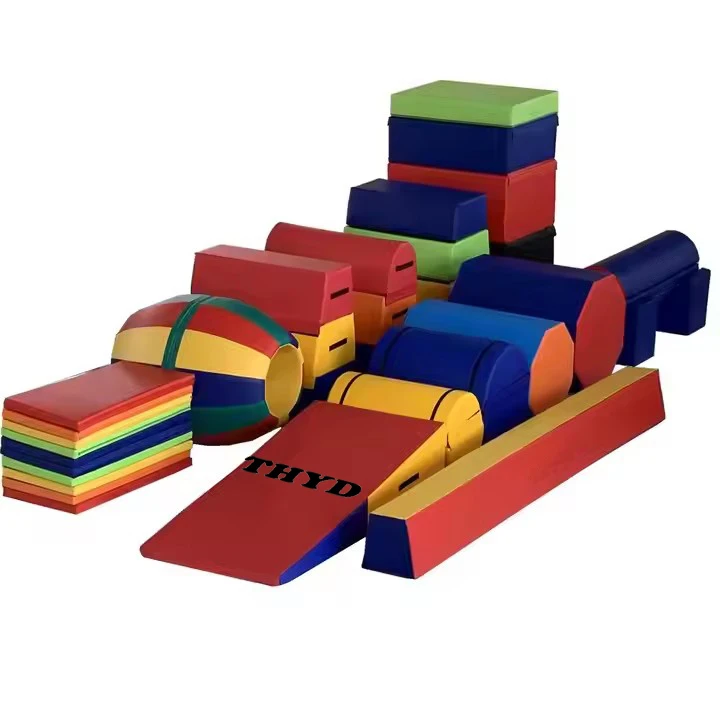
مسیرهای غلتیدن و مناطق تمرین روی زمین ممکن است شامل مناطقی با ضخامتهای متفاوت باشند؛ بهطوری که بخشهای ضخیمتر در نقاط فرود برای مهارتهای اصلی قرار گرفتهاند، در حالی که ضخامت متوسطی برای بخشهای ورودی و اتصال حفظ شده است. این قرارگیری استراتژیک مشخصات مختلف ضخامت ماتهای ژیمناستیک، هم ایمنی و هم ویژگیهای عملکردی را در سراسر فضای تمرین بهینهسازی میکند. بسیاری از امکانات همچنین از ماتهای شیبدار مثلثیشکل با ضخامت تدریجی برای کمک به پیشرفت مهارتی و افزایش اعتمادبهنفس ورزشکاران در حال رشد استفاده میکنند.
ساختار مواد و عوامل چگالی
فناوری هستهی فوم و عملکرد
ساختار داخلی ماتهای ورزشی تأثیر قابلتوجهی بر قابلیتهای محافظتی و طول عمر آنها دارد، صرفنظر از اندازهگیری کلی ضخامت. هستههای فوم سلولبسته باکیفیت، مقاومت عالی در برابر فشردگی را فراهم کرده و ویژگیهای جذب ضربهٔ یکنواخت را در دورههای استفادهٔ طولانی حفظ میکنند. ماتهای رده حرفهای اغلب از ساختار چندچگالی برخوردارند که لایههای فوم سفتتری را در نزدیکی سطح برای ثبات و هستههای نرمتری را برای جذب ضربه شامل میشوند و به این ترتیب تعادل عملکردی ایدهآلی را برای کاربردهای ورزش ژیمناستیک ایجاد میکنند.
مats ژیمناستیک پیشرفته از فومهای پلیاتیلن با اتصالات عرضی و مواد ترکیبی تخصصی استفاده میکنند که در برابر فشردگی دائمی مقاومت دارند و جذب ضربهای استثنایی ارائه میدهند. این مواد حتی پس از هزاران بار برخورد نیز خواص حفاظتی خود را حفظ میکنند و استانداردهای ایمنی ثابتی را در طول عمر کاری فرشها تضمین مینمایند. مراکز تمرین از سرمایهگذاری در ساختارهای باکیفیت بهرهمند میشوند، زیرا مواد برتر فراوانی تعویض را کاهش داده و حفاظت قابل اعتمادی را برای ورزشکاران در تمام سطوح مهارتی حفظ میکنند.
مواد سطحی و ملاحظات دوام
پوشش بیرونی ماتهای ورزشی نقش حیاتی در عملکرد و نیازهای نگهداری ایفا میکند؛ بهطوریکه سطوح وینیلی و چرمی مزایای متفاوتی را برای کاربردهای مختلف تمرینی فراهم میآورند. پوششهای وینیلی سنگینوزن مقاومت عالی در برابر رطوبت و تمیزکردن آسانی دارند و بنابراین برای محیطهای تمرینی با استفادهٔ فراوان—که در آنها بهداشت و کارایی نگهداری اولویت دارد—ایدهآل هستند. سطوح چرمی اولیه چسبندگی عالیتر و ظاهر حرفهایتری ارائه میدهند، اما نیازمند مراقبت تخصصیتری برای حفظ شرایط بهینهاند.
دوخت تقویتکننده و ساختار لبهها تأثیر قابلتوجهی بر طول عمر فرش های تربیت بدنی بهویژه در محیطهای آموزشی تجاری که استفاده روزانه منجر به ایجاد الگوهای سایش قابلتوجهی میشود. دوخت دوتایی در درزها و ساختار گوشهها با تقویت شده، از خرابی زودهنگام جلوگیری کرده و یکپارچگی تشک را در طول دورههای طولانیمدت استفاده حفظ میکند. تولیدکنندگان باکیفیت از مواد مقاوم در برابر شعله و پوششهای ضد میکروبی برای رعایت استانداردهای ایمنی و حفظ شرایط بهداشتی در محیطهای آموزشی استفاده میکنند.
برنامهریزی تأسیسات و بهینهسازی فضای موجود
نکات نگهداری و دستکاری
در انتخاب تشکهای ژیمناستیک، تأسیسات ژیمناستیک باید نیازهای ذخیرهسازی را با دقت بررسی کنند، زیرا ضخامت تشکها مستقیماً بر استفاده از فضا و منطقهبندی حملونقل تأثیر میگذارد. تشکهای ضخیمتر حجم بیشتری برای ذخیرهسازی نیاز دارند و ممکن است راهحلهای ویژه ذخیرهسازی یا مکانیزمهای تا شدن برای بهینهسازی کارایی تأسیسات لازم باشند. بسیاری از باشگاهها طرحهای تشک تاشو را انتخاب میکنند که علیرغم حفظ ویژگیهای محافظتی، فضای مورد نیاز برای ذخیرهسازی را کاهش میدهند؛ با این حال، خطوط تا ممکن است تغییرات جزئی روی سطح ایجاد کنند که بر برخی از فعالیتهای آموزشی تأثیر بگذارند.
نیازهای حملونقل و راهاندازی نیز بر انتخاب ضخامت تأثیر میگذارند، بهویژه برای باشگاههایی که جلسات آموزشی خود را در مکانهای متعددی برگزار میکنند یا در مسابقات سفری شرکت میکنند. ماتهای ورزشی سبکتر و قابلمدیریتتر، آمادهسازی سریعتر مکان را تسهیل کرده و زمان راهاندازی را کاهش میدهند؛ این امر امکان استفادهٔ کارآمدتر از زمان محدود تمرین را فراهم میسازد. با این حال، امکانات باید نگرانیهای مربوط به قابلیت حمل را در مقابل الزامات محافظتی متعادل کنند تا اطمینان حاصل شود که ایمنی ورزشکاران همواره اولویت اصلی در تمام محیطهای تمرینی باقی میماند.
تخصیص بودجه و استراتژی سرمایهگذاری
توسعه موجودی جامع ماتها نیازمند برنامهریزی استراتژیک بودجهبندی است که الزامات متفاوت ضخامت در مناطق آموزشی مختلف و سطوح مهارتی را در نظر میگیرد. برنامههای ورزش هنری اغلب برای مناطق آموزش پیشرفته از ماتهای ژیمناستیک ضخیمتر و باکیفیتتر اولویت قائل میشوند، درحالیکه برای مناطق توسعه مهارتهای پایه از گزینههای مقرونبهصرفهتر استفاده میکنند. این رویکرد سلسلهمراتبی، قابلیتهای محافظتی را در جاهایی که بیشترین نیاز به آن وجود دارد، به حداکثر میرساند و در عین حال، اثربخشی هزینهای را در سراسر کل تأسیسات حفظ میکند.
برنامهریزی جایگزینی بلندمدت باید الگوهای سایش متفاوت مرتبط با ضخامتهای مختلف ماتها و شدت استفاده از آنها را در نظر بگیرد. ماتهای ضخیمتر در مناطق با برخورد شدید ممکن است به دلیل فشردگی فوم نیازمند جایگزینی متداولتری باشند، درحالیکه سطوح با ضخامت متوسط در مناطق عمومی آموزشی اغلب ویژگیهای محافظتی خود را برای دورههای طولانیتری حفظ میکنند. مدیران تأسیسات از تعیین زمانبندیهای جایگزینی بر اساس الگوهای استفاده و ارزیابیهای ایمنی — نه بر اساس فواصل زمانی دلخواه — بهرهمند میشوند.
استانداردهای امنیت و رعایت مقررات
دستورالعملها و الزامات ایمنی صنعت
سازمانهای حرفهای ژیمناستیک استانداردهای ایمنی خاصی را برای تجهیزات محافظتی، از جمله حداقل ضخامت مورد نیاز برای تشکهای ژیمناستیک بهکاررفته در محیطهای رقابتی و تمرینی، تعیین میکنند. این دستورالعملها رابطه بین مشخصات تشک و پیشگیری از آسیبها را در نظر میگیرند و معیارهایی را تعیین میکنند که مراکز باید برای حفظ اعتباربخشی و پوشش بیمهای خود به آنها پایبند باشند. رعایت استانداردهای شناختهشده ایمنی، هم ورزشکاران و هم فعالان مراکز را در برابر مسائل مسئولیتپذیری قانونی محافظت میکند و در عین حال اطمینان حاصل میشود که اقدامات محافظتی مناسب اعمال شدهاند.
فدراسیونهای بینالمللی ژیمناستیک بهطور مداوم توصیههای ایمنی را بر اساس درک فزاینده از مکانیسمهای آسیب و پژوهشهای زیستمکانیکی بهروزرسانی میکنند. موکتهای مدرن ژیمناستیک باید معیارهای عملکردی فزایندهای را از نظر جذب ضربه، پایداری سطحی و مقاومت در برابر سایش در شرایط رقابتی برآورده کنند. اماکن تمرینی که با استانداردهای فعلی انطباق داشته باشند، تعهد خود را نسبت به رفاه ورزشکاران و روشهای حرفهای تمرین نشان میدهند.
پروتکل های تضمین کیفیت و آزمایش
تولیدکنندگان معتبر موکتهای ژیمناستیک را تحت پروتکلهای آزمون دقیق و سختگیرانهای قرار میدهند که جذب ضربه، مقاومت در برابر فشردگی و یکپارچگی ساختاری را در شرایط شبیهسازیشده تمرین ارزیابی میکنند. این ارزیابیها اطمینان حاصل میکنند که مشخصات ضخامت اعلامشده، در طول عمر مورد انتظار موکت، عملکرد محافظتی مناسبی را تضمین میکنند. اماکن باید محصولاتی را اولویتبندی کنند که تحت آزمونها و گواهیهای مستقل قرار گرفتهاند تا انطباق آنها با استانداردهای ایمنی مربوطه تأیید شود.
پروتکلهای بازرسی و نگهداری دورهای به این منظور انجام میشوند که اطمینان حاصل شود تختههای ژیمناستیک با افزایش سن و استفاده مکرر، همچنان حفاظت کافی را فراهم آورند. بازرسیهای بصری باید وضعیت سطح، سلامت لبهها و نشانههای فشردگی یا آسیب در فوم را ارزیابی کنند؛ زیرا چنین عواملی ممکن است قابلیتهای حفاظتی تختهها را تضعیف کنند. اندازهگیریهای ضخامت باید بهطور دورهای انجام شوند تا اطمینان حاصل شود که تختهها ابعاد مشخصشده خود را حفظ کردهاند و دچار فشردگی قابل توجهی نشدهاند که اثربخشی ایمنی آنها را کاهش دهد.
سوالات متداول
ضخامت مناسب تختههای ژیمناستیک برای مبتدیان از نظر ایمنی چقدر است؟
مبتدیان ژیمناستیک معمولاً باید از تختههایی با ضخامت ۱٫۵ تا ۲ اینچ استفاده کنند؛ این ضخامت، جذب کافی ضربه را برای مهارتهای پایه فراهم میکند، در عین حال ثبات و آگاهی از تماس با زمین را نیز حفظ مینماید. این محدوده ضخامت، محافظت کافی را برای حرکات ابتدایی غلتیدن، غلتکزدن و پرش فراهم میکند و در عین حال توسعه صحیح تکنیک و ایجاد اعتماد به نفس در ورزشکاران جوان را نیز تسهیل میسازد.
ضخامت تشک چگونه بر تمرینات پیشرفته ورزش ژیمناستیک تأثیر میگذارد؟
ورزشکاران ژیمناستیک پیشرفته برای اجرای ایمن مهارتهای سطح بالا، از جمله حرکات پیچیده غلتیدن و فرودها، به تشکهای ژیمناستیکی با ضخامت ۵ تا ۸ اینچ نیاز دارند. این ضخامت بیشتر، جذب ضربهٔ عالیتری را برای فرودهای پراسترس فراهم میکند، در عین حال سفتی سطح لازم برای بلند شدن انفجاری و اجرای دقیق مهارتها در محیطهای تمرینی رقابتی را حفظ مینماید.
آیا تشکهای ضخیمتر ژیمناستیک همواره برای پیشگیری از آسیبها بهتر هستند؟
تشکهای ضخیمتر ژیمناستیک لزوماً بهینه نیستند، زیرا ضخامت بیش از حد میتواند بازخورد حسی-حرکتی (پروپریوسپشن) را کاهش داده و بر پایداری فرود در برخی مهارتها تأثیر بگذارد. ضخامت ایدهآل بستگی به فعالیت تمرینی خاص، سطح مهارت ورزشکار و نیازهای حرکتی دارد؛ بنابراین کاربردهای مختلف از ضخامتهای انتخابشده با دقت — نه صرفاً از حداکثر عمق فشردگی — بهره میبرند.
مراکز تمرینی چگونه باید ترکیب مناسبی از ضخامتهای تشک را تعیین کنند؟
امکانات ورزشی ژیمناستیک باید برنامههای تمرینی خود، سطح مهارت ورزشکاران و نیازهای خاص تجهیزات را ارزیابی کنند تا توزیع بهینه ضخامت تشکهای ژیمناستیک تعیین شود. رویکردی استراتژیک معمولاً شامل استفاده از تشکهای نازکتر در مناطق تمرین ابتدایی، تشکهای با ضخامت متوسط برای توسعه مهارتهای میانی و تشکهای ضخیمتر برای تمرینات پیشرفته و مناطق فرود با برخورد شدید است که این امر هم ایمنی و هم اثربخشی تمرین را به حداکثر میرساند.