 EN
EN


Rhythmic gymnastics combines the grace of dance with athletic precision, creating a mesmerizing sport that captivates audiences worldwide. This elegant discipline demands exceptional flexibility, coordination, and artistic expression while manipulating various apparatus including ribbons, hoops, balls, clubs, and ropes. Athletes who excel in this sport demonstrate years of dedicated training, perfecting movements that appear effortless yet require tremendous skill and practice.
Mastering fundamental movements forms the foundation for success in competitive performances. Each technique builds upon previous skills, creating a progressive learning pathway that develops both technical ability and artistic interpretation. Understanding proper body mechanics, timing, and spatial awareness becomes crucial as athletes advance through increasingly complex routines that challenge their physical and mental capabilities.
Essential Body Wave Techniques
Forward Body Wave Mastery
The forward body wave represents one of the most fundamental movements in rhythmic gymnastics, requiring smooth coordination from head to toe. This technique begins with subtle head movement, flowing through the chest, torso, and hips in a continuous undulating motion. Proper execution demands exceptional spinal flexibility and precise muscle control to create the illusion of effortless flow.
Developing this skill requires consistent practice focusing on segmental isolation and sequential activation of muscle groups. Athletes must maintain proper alignment while allowing natural curves to enhance the wave-like quality. The movement should appear seamless, with each body segment contributing to the overall fluidity without jerky transitions or rushed execution that compromises artistic expression.
Lateral Wave Variations
Lateral body waves add dimensional complexity to routines, challenging athletes to maintain control while moving through different planes of motion. These variations require enhanced core stability and proprioceptive awareness as the wave travels horizontally across the body. The technique emphasizes controlled breathing patterns that support sustained movement quality throughout extended sequences.
Advanced practitioners incorporate lateral waves with apparatus manipulation, creating sophisticated combinations that demonstrate superior technical skill. The key lies in maintaining consistent rhythm while adapting the wave pattern to complement the chosen apparatus movement. This integration showcases the athlete's ability to coordinate complex motor patterns simultaneously without compromising either element's quality or artistic impact.
Dynamic Balance Elements
Arabesque Progressions
Arabesque positions form the cornerstone of balance work in rhythmic gymnastics, requiring exceptional hip flexibility and core strength for proper execution. These positions challenge athletes to maintain perfect alignment while demonstrating impressive leg extensions that create visually stunning lines. Proper technique involves engaging the supporting leg while extending the working leg to its maximum range without compromising spinal alignment.
Progressive training methods help develop the necessary strength and flexibility for advanced arabesque variations. Athletes begin with supported positions using walls or barres before advancing to free-standing holds with increased duration and complexity. The development process emphasizes gradual range of motion improvements while maintaining proper muscle activation patterns that prevent injury and ensure consistent performance quality.
Spiral Turn Techniques
Spiral turns combine rotational movement with controlled descent, creating dramatic effects that enhance routine composition. These elements require precise timing and spatial awareness to execute safely while maintaining artistic quality throughout the movement sequence. The technique involves controlled lowering of the body center while maintaining rotational momentum through proper arm positioning and core engagement.
Successful spiral execution depends on understanding momentum conservation and body mechanics that allow for smooth transitions between levels. Athletes must coordinate breathing patterns with movement phases to maintain control during potentially disorienting rotational elements. Advanced variations incorporate apparatus manipulation during spiral descents, showcasing exceptional multitasking abilities and technical proficiency that distinguish elite performers from recreational participants.
Apparatus-Specific Skills
Ribbon Manipulation Fundamentals
Ribbon work represents perhaps the most visually captivating aspect of rhythmic gymnastics, requiring precise wrist action and spatial awareness to create flowing patterns. The apparatus responds instantly to the slightest movement variations, demanding consistent technique and unwavering focus from athletes. Proper grip and arm positioning enable the creation of large-scale patterns that fill performance spaces with dynamic visual elements.
Developing ribbon skills requires understanding of physics principles that govern the apparatus movement patterns. Athletes learn to anticipate ribbon behavior and adjust their movements accordingly to maintain desired shapes and trajectories. The learning process involves gradual progression from simple figure-eight patterns to complex spirals and throws that showcase advanced technical abilities while maintaining artistic coherence throughout routine sequences.
Hoop Rotation Mastery
Hoop manipulation challenges athletes to coordinate circular apparatus movement with body positions that complement rather than interfere with the rotation patterns. Successful hoop work requires understanding of centrifugal forces and timing that allows for seamless integration of rolls, throws, and catches. The apparatus serves as an extension of the athlete's body, requiring intuitive understanding of spatial relationships and movement dynamics.
Advanced hoop techniques incorporate multiple rotation planes and directional changes that demonstrate exceptional coordination and apparatus control. Athletes develop proprioceptive skills that enable them to maintain hoop movement quality even during complex body positions or traveling sequences. The integration of hoop work with leaps, turns, and balance elements showcases the multifaceted nature of rhythmic gymnastics and the extensive skill development required for competitive success.
Flexibility and Strength Development
Progressive Stretching Protocols
Achieving the extreme flexibility required for rhythmic gymnastics demands systematic stretching protocols that prioritize safety while promoting range of motion improvements. Effective programs incorporate both passive and active stretching techniques, targeting specific muscle groups that contribute to signature positions and movements. The development process requires patience and consistency, as flexibility gains occur gradually through regular practice and proper technique application.
Modern training approaches emphasize dynamic warm-up sequences that prepare muscles for intensive stretching sessions while reducing injury risk. Athletes learn to recognize the difference between productive stretching sensations and potentially harmful pain levels. Progressive overload principles apply to flexibility training, with gradual increases in stretch intensity and duration that promote adaptations without causing tissue damage or compensation patterns that compromise movement quality.
Core Stability Training
Core strength provides the foundation for all rhythmic gymnastics movements, enabling athletes to maintain proper alignment during complex skills while manipulating apparatus effectively. Comprehensive core training addresses multiple muscle groups including deep stabilizers, superficial movers, and rotational components that contribute to movement control. Effective programs integrate core strengthening with skill-specific movements to enhance transfer of training benefits to competitive performance.
Advanced core training incorporates unstable surfaces and multi-planar movements that challenge proprioceptive systems while building functional strength patterns. Athletes develop the ability to maintain core stability while performing dynamic movements that would otherwise compromise spinal alignment or movement quality. This foundation enables the execution of advanced skills with reduced injury risk and improved performance consistency across training and competition environments.
Performance Enhancement Strategies
Mental Preparation Techniques
Mental preparation plays a crucial role in rhythmic gymnastics success, as athletes must maintain focus and composure while executing technically demanding routines under competitive pressure. Effective mental training programs incorporate visualization techniques, concentration exercises, and stress management strategies that enhance performance consistency. Athletes learn to develop pre-performance routines that promote optimal psychological states for competition situations.
Advanced mental skills training addresses confidence building, competitive anxiety management, and performance evaluation techniques that support continuous improvement. Athletes develop the ability to maintain positive self-talk and constructive problem-solving approaches when facing technical challenges or performance setbacks. These psychological skills prove essential for long-term success in a sport that demands both technical precision and artistic expression under intense scrutiny from judges and spectators.
Competition Preparation Protocols
Preparing for rhythmic gymnastics competitions requires systematic planning that addresses technical skill refinement, physical conditioning, and psychological readiness. Effective preparation protocols simulate competition conditions during training sessions, allowing athletes to practice their routines under similar pressures and constraints they will face during actual events. This approach helps identify potential issues and develop contingency strategies for managing unexpected situations.
Competition preparation extends beyond individual skill development to include routine choreography, music selection, and costume considerations that contribute to overall presentation quality. Athletes learn to integrate all performance elements seamlessly while maintaining technical accuracy and artistic expression throughout their routines. The preparation process emphasizes consistency and reliability, ensuring athletes can deliver their best performances when it matters most during competitive situations.
FAQ
What age should someone start rhythmic gymnastics training
Most rhythmic gymnastics programs accept students as young as 3-4 years old for introductory classes, though serious training typically begins around age 6-8. Early introduction focuses on basic movement patterns, flexibility development, and apparatus familiarity rather than complex skills. The sport's demands for extreme flexibility make early training advantageous, as young athletes adapt more quickly to the required range of motion. However, athletes can begin at any age and still develop proficiency, though competitive aspirations may be more realistic when training starts in childhood.
How long does it take to master basic rhythmic gymnastics skills
Developing fundamental rhythmic gymnastics skills typically requires 2-3 years of consistent training, depending on individual factors like natural ability, training frequency, and previous movement experience. Basic apparatus manipulation and simple body movements may be learned within months, while advanced skills requiring exceptional flexibility and coordination can take several years to master. Progress varies significantly among athletes, with some demonstrating rapid advancement while others require more time to develop the necessary physical and technical foundations for skill execution.
What equipment is needed for rhythmic gymnastics training
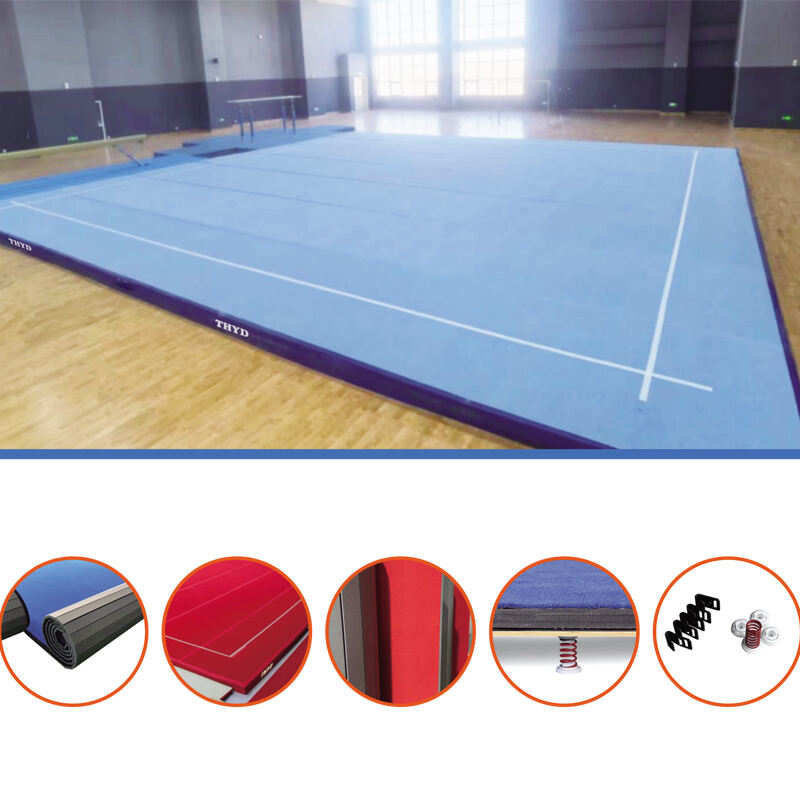
Essential rhythmic gymnastics equipment includes the five official apparatus: rope, hoop, ball, clubs, and ribbon, each available in different sizes appropriate for the athlete's age and skill level. Additional training equipment includes leotards, soft ballet shoes or bare feet, and access to appropriate flooring that provides adequate traction and cushioning. Many gyms provide apparatus for beginners, though serious athletes eventually purchase their own equipment to ensure familiarity and optimal sizing for their individual measurements and preferences.
Is rhythmic gymnastics suitable for recreational participation
Rhythmic gymnastics offers excellent recreational opportunities for individuals seeking to improve flexibility, coordination, and artistic expression without competitive pressure. Many programs cater to recreational participants with modified skill progressions and age-appropriate expectations. The sport provides comprehensive physical conditioning benefits including improved posture, enhanced mind-body coordination, and stress relief through creative movement expression. Recreational programs often emphasize enjoyment and personal progress rather than competitive achievement, making the sport accessible to a broader range of participants with varying goals and abilities.