 EN
EN


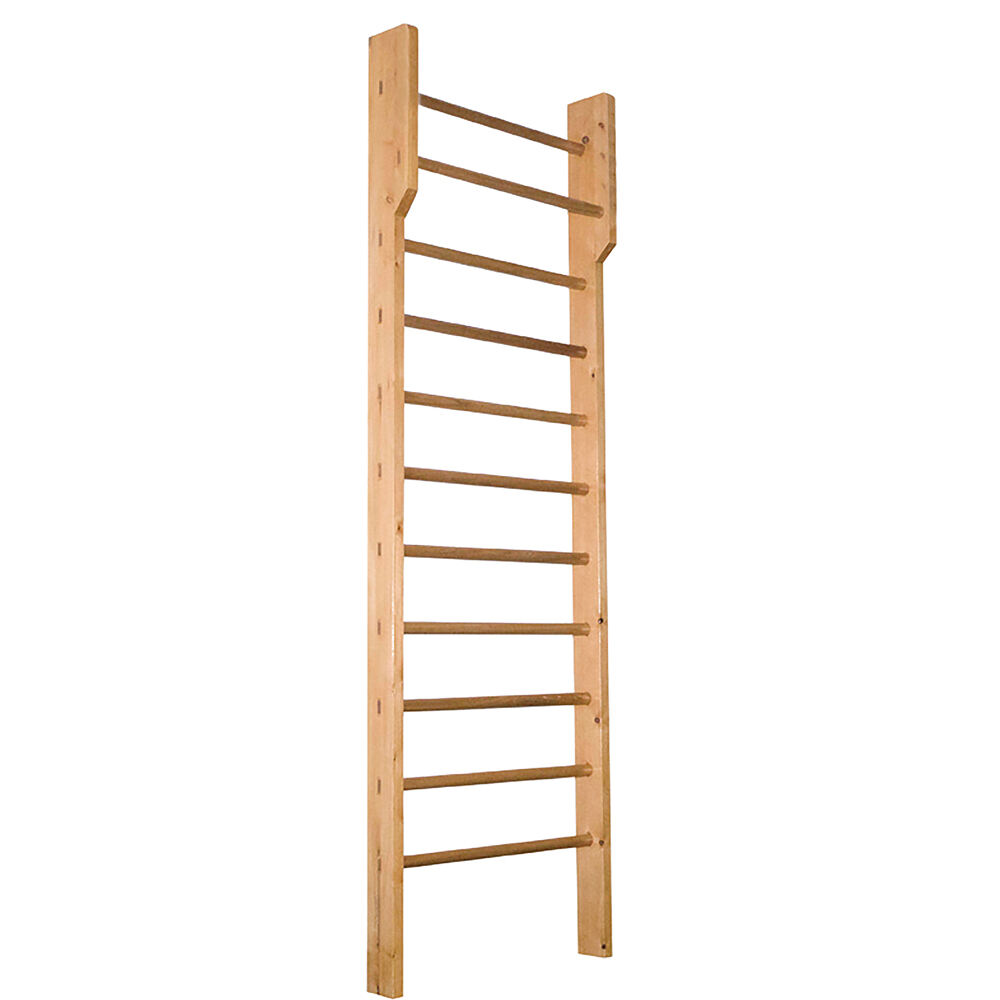
The gymnastic wall bar remains one of the most versatile and effective pieces of equipment for developing strength, flexibility, and coordination in gymnasts of all levels. These wall-mounted training systems have evolved significantly from their traditional Swedish origins to become sophisticated training tools that support everything from basic stretching routines to advanced acrobatic movements. Whether you're setting up a home gym, equipping a professional gymnastics facility, or enhancing a rehabilitation center, understanding the features and benefits of modern gymnastic wall bars is essential for making an informed purchase decision.
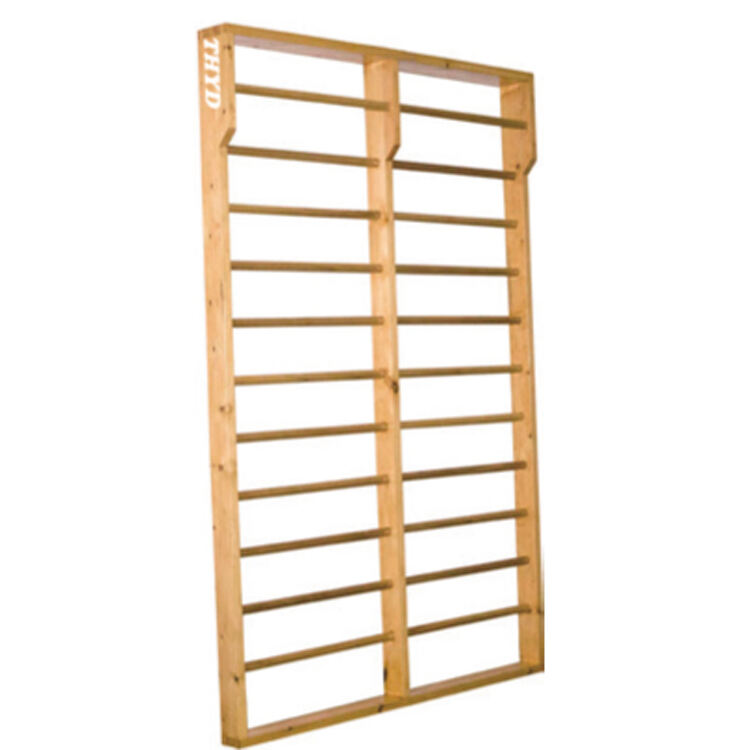
Understanding Modern Gymnastic Wall Bar Systems
Evolution of Wall Bar Design
Traditional wall bars, also known as Swedish bars or stall bars, have undergone remarkable transformations to meet contemporary training demands. Modern designs incorporate advanced materials like powder-coated steel, laminated hardwood, and ergonomic grip surfaces that enhance both durability and user comfort. The spacing between rungs has been standardized to accommodate various body types and training techniques, while height adjustability features allow for customized workout configurations that weren't possible with earlier fixed designs.
Contemporary gymnastic wall bar systems often feature modular components that can be expanded or reconfigured as training needs evolve. This adaptability makes them particularly valuable for growing gymnastics programs or facilities that serve multiple user groups. The integration of safety features such as rounded corners, non-slip surfaces, and reinforced mounting hardware reflects the industry's commitment to injury prevention while maintaining the functional integrity that makes wall bars so effective for gymnastics training.
Core Components and Features
A quality gymnastic wall bar system consists of several key components that work together to provide a comprehensive training platform. The vertical uprights form the structural backbone and must be constructed from materials capable of supporting dynamic loads from multiple users simultaneously. The horizontal rungs serve as the primary contact points and require precise spacing, typically ranging from 6 to 8 inches apart, to accommodate different exercises and user heights effectively.
Modern systems often include additional features such as pull-up bars integrated into the top section, adjustable height mechanisms for different user groups, and compatibility with auxiliary equipment like resistance bands or suspension trainers. The mounting hardware represents a critical component that must be engineered to distribute loads safely across the wall structure while providing the stability necessary for advanced gymnastic movements and high-intensity training sessions.
Training Benefits and Applications
Strength and Conditioning Advantages
The gymnastic wall bar provides unparalleled opportunities for developing functional strength across multiple muscle groups simultaneously. Unlike isolated weight training exercises, wall bar workouts engage stabilizing muscles throughout the kinetic chain, promoting balanced development that translates directly to improved athletic performance. The vertical orientation allows for progressive loading through body weight manipulation, enabling users to adjust resistance by changing their body position relative to the bars.
Advanced practitioners can perform complex movements like human flags, muscle-ups, and various lever positions that challenge both strength and coordination in ways that traditional gym equipment cannot replicate. The constant grip engagement strengthens forearms and improves grip endurance, which benefits gymnasts across all apparatus work. Additionally, the ability to perform exercises at different heights and angles provides training variety that prevents plateaus and maintains engagement over long training periods.
Flexibility and Mobility Enhancement
Wall bars excel at facilitating deep stretching and mobility work that forms the foundation of gymnastic training. The stable vertical structure allows users to achieve and maintain stretching positions that would be difficult or impossible without support. Hip flexor stretches, shoulder dislocations, and spinal extension exercises can be performed with greater safety and effectiveness when the wall bar provides a secure anchor point for progressive stretching.
The graduated height options enable users to customize stretch intensity by selecting appropriate rung heights for their current flexibility level. This adaptability makes wall bars suitable for beginners working on basic flexibility goals as well as elite athletes maintaining the extreme ranges of motion required for advanced gymnastic skills. Regular wall bar stretching sessions contribute to injury prevention by maintaining joint health and muscle elasticity throughout intensive training cycles.
Selection Criteria and Specifications
Material Quality and Durability
The longevity and safety of a gymnastic wall bar system depend heavily on the quality of materials used in its construction. Solid hardwood rungs, typically made from beech or birch, provide excellent grip characteristics and natural shock absorption while maintaining structural integrity under repeated stress. Steel components should feature powder coating or galvanization to resist corrosion, especially in humid gym environments where moisture can accelerate deterioration of unprotected metal surfaces.
When evaluating material quality, consider the load ratings provided by manufacturers and ensure they exceed the expected usage demands. Commercial-grade systems should support multiple users simultaneously, while home installations may prioritize different features like space efficiency or aesthetic integration. The connection points between horizontal and vertical elements represent critical stress concentration areas that require robust engineering and quality manufacturing to prevent failure during high-load exercises.
Installation Requirements and Space Planning
Proper installation of a gymnastic wall bar requires careful consideration of wall structure, available space, and intended usage patterns. Load-bearing walls or specially reinforced mounting surfaces are essential for safe installation, and professional assessment may be necessary to determine whether existing wall construction can support the dynamic loads generated during gymnastic training. Ceiling height becomes a critical factor for facilities planning to accommodate tall users or exercises requiring overhead clearance.
Space planning should account for the full range of motion required for various exercises, including horizontal movements that extend several feet from the wall surface. Safety zones around the equipment prevent collisions with other apparatus or facility features, while adequate lighting ensures users can safely navigate between rungs during complex movement sequences. Consider future expansion possibilities when selecting mounting locations, as growing programs often benefit from the ability to add additional wall bar sections or complementary equipment.
Maintenance and Safety Considerations
Regular Inspection Protocols
Maintaining a gymnastic wall bar system requires systematic inspection routines that identify potential issues before they compromise user safety. Monthly visual inspections should examine all connection points, looking for signs of loosening, wear, or structural deformation that could indicate impending failure. The mounting hardware deserves particular attention, as wall anchor points experience the highest stress concentrations and may require periodic tightening or replacement depending on usage intensity.
Wooden rungs should be checked for splinters, cracks, or excessive wear that could create grip hazards or reduce structural strength. Surface treatments like varnishes or protective coatings may require renewal to maintain optimal grip characteristics and prevent moisture absorption. Documentation of inspection findings helps track equipment condition over time and supports evidence-based decisions about maintenance timing and replacement planning for aging systems.
User Safety Guidelines
Safe gymnastic wall bar usage requires clear guidelines that address both equipment limitations and proper technique fundamentals. Weight limits should be clearly posted and strictly enforced, with consideration for dynamic loading factors that can multiply static loads during rapid movements or sudden direction changes. Proper warm-up protocols become especially important for wall bar exercises, as the equipment enables positions and movements that place significant demands on joints and connective tissues.
Supervision requirements vary based on user experience and the complexity of exercises being performed. Beginners should receive instruction on proper grip techniques, body positioning, and progression strategies before attempting unsupervised training. Advanced users working on challenging skills may benefit from spotting assistance or safety mats to reduce injury risk during skill acquisition phases. Clear communication about equipment rules and emergency procedures ensures all users understand their responsibilities for maintaining a safe training environment.
FAQ
What is the standard height for a gymnastic wall bar installation
Most gymnastic wall bar systems are installed with heights ranging from 8 to 10 feet, though this can vary based on ceiling constraints and intended user groups. Professional facilities often opt for maximum height to accommodate tall athletes and advanced exercises, while home installations may use shorter configurations that still provide full functionality within residential space limitations. The key is ensuring adequate overhead clearance for hanging exercises while maximizing the vertical training space available.
How much weight can a typical gymnastic wall bar support
Quality gymnastic wall bar systems typically support between 300 to 500 pounds of static load, with commercial-grade units often exceeding these ratings. However, dynamic loading during gymnastic movements can create forces significantly higher than body weight alone, so it's important to select equipment with load ratings that provide appropriate safety margins. Always verify load specifications with manufacturers and ensure proper installation to achieve rated capacities.
Can gymnastic wall bars be installed on drywall
Gymnastic wall bars should never be mounted directly to standard drywall due to the significant forces involved in gymnastic training. Installation requires solid backing such as wooden studs, concrete block, or specially reinforced wall structures capable of distributing loads safely. Professional installation assessment is recommended to determine whether existing wall construction is adequate or requires reinforcement before mounting gymnastic equipment.
What maintenance is required for gymnastic wall bars
Regular maintenance includes monthly visual inspections of all connections and surfaces, periodic tightening of mounting hardware, and immediate repair of any damage to rungs or support structures. Wooden components may require periodic refinishing to maintain grip characteristics, while metal parts should be checked for signs of corrosion or wear. Establishing a documented maintenance schedule helps ensure equipment remains safe and functional throughout its service life.