 EN
EN


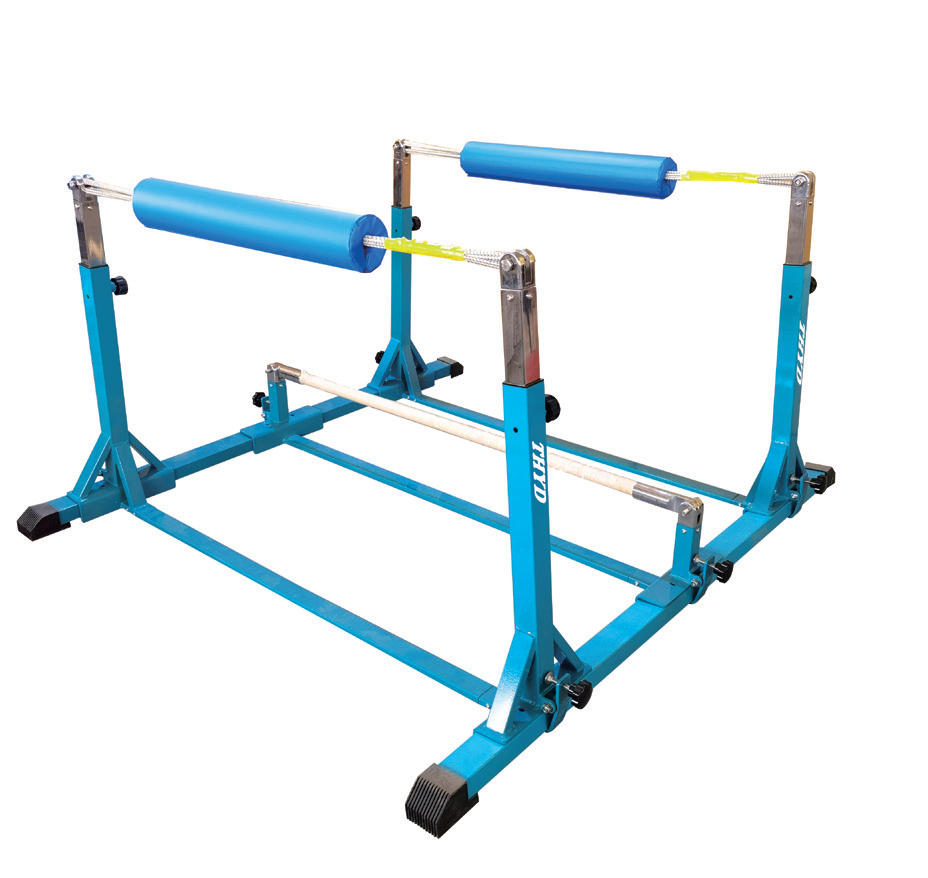
Parkour training has evolved significantly from its origins as a military conditioning method to become a dynamic discipline that seamlessly blends with traditional gymnastics environments. Understanding how parkour training integrates with gymnastics equipment layouts is crucial for facility managers, coaches, and athletes who want to maximize training effectiveness while ensuring safety. The strategic placement and utilization of gymnastics equipment can transform standard gym spaces into comprehensive parkour training environments that support skill progression across both disciplines.
The integration process involves careful consideration of movement patterns, safety zones, and equipment versatility. Successful parkour training integration requires understanding how traditional gymnastics apparatus can serve dual purposes while maintaining the flow and creativity that defines parkour movement. This approach not only optimizes space utilization but also creates training opportunities that enhance both gymnastics precision and parkour adaptability.
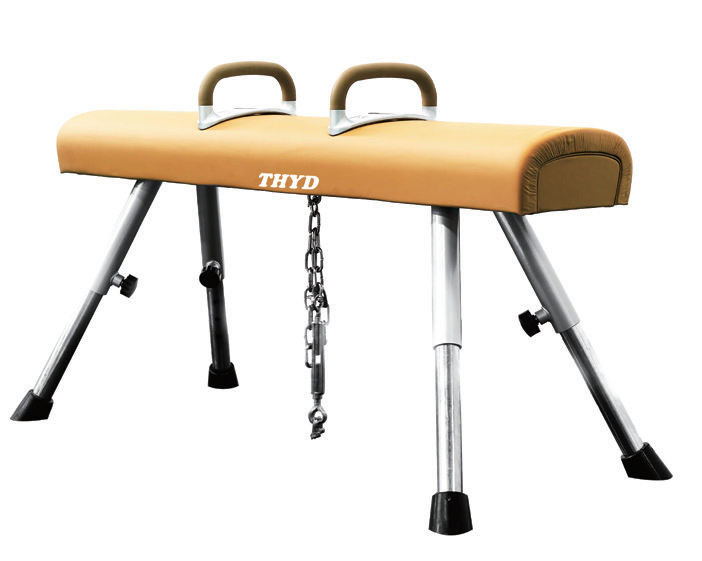
Equipment Placement Strategies for Dual-Purpose Training
Linear Flow Design Principles
Effective parkour training integration begins with establishing linear flow patterns that connect gymnastics equipment in logical sequences. Traditional gymnastics layouts often focus on isolated skill development, but parkour training demands continuous movement pathways that allow athletes to transition smoothly between obstacles. This requires repositioning standard equipment like vault horses, parallel bars, and beam apparatus to create natural progression routes.
The key principle involves creating multiple pathway options rather than fixed sequences. Parkour training thrives on adaptability and choice-making, so equipment layouts should offer various routes of different difficulty levels. For instance, positioning vault tables at varying heights and angles allows athletes to choose their approach based on skill level and training objectives. This flexibility supports both beginner parkour training sessions and advanced flow sequences.
Safety clearances become critical when designing for dual-purpose use. While gymnastics typically requires specific landing zones for individual apparatus, parkour training demands larger transitional spaces that accommodate dynamic directional changes. The layout must account for the explosive, multi-directional nature of parkour movements while maintaining the precision requirements of gymnastics skills.
Vertical Integration Techniques
Vertical space utilization represents a crucial aspect of integrating parkour training with gymnastics equipment layouts. Traditional gymnastics focuses heavily on horizontal floor patterns, but parkour training emphasizes three-dimensional movement including climbing, jumping, and elevated traversals. This requires strategic use of wall-mounted equipment, adjustable horizontal bars, and climbing structures that complement floor-based apparatus.
Parkour training benefits significantly from equipment that can be adjusted to different heights and configurations. Parallel bars, for example, can serve traditional gymnastics functions when set at standard heights, but become excellent parkour training obstacles when adjusted for vaulting, under-bar movements, and precision jumping challenges. This versatility maximizes equipment investment while supporting diverse training goals.
The integration of elevated platforms and multi-level structures creates opportunities for advanced parkour training progressions. These elements should be positioned to encourage creative route-finding while maintaining visual supervision for safety. The vertical component adds complexity to movement sequences and helps athletes develop the spatial awareness essential for outdoor parkour applications.
Movement Pattern Compatibility
Foundational Skill Overlap
The remarkable compatibility between parkour training and gymnastics stems from their shared emphasis on body awareness, spatial orientation, and movement precision. Both disciplines require athletes to develop proprioceptive skills, strength-to-weight ratios, and the ability to generate power through complex movement chains. Understanding these overlaps allows coaches to design equipment layouts that reinforce fundamental skills across both training methods.
Parkour training movements like precision jumps, cat balances, and wall runs share biomechanical principles with gymnastics skills such as beam work, vault approaches, and tumbling sequences. Equipment layouts should capitalize on these similarities by positioning apparatus to allow natural skill transfer. For instance, balance beams can serve as precision landing targets for parkour training while maintaining their traditional gymnastics function.
The progressive nature of both disciplines means that equipment layouts must accommodate skill development pathways. Beginners in parkour training need lower, more stable obstacles that build confidence and fundamental movement patterns, similar to how gymnastics progressions start with basic apparatus configurations. Advanced athletes require more complex, challenging layouts that push creative boundaries while maintaining safety standards.
Flow State Development
Creating layouts that support flow state development represents a sophisticated aspect of parkour training integration. Flow states occur when athletes move seamlessly between obstacles without hesitation or interruption, requiring equipment placement that eliminates awkward transitions or forced pauses. This demands careful attention to spacing, height relationships, and approach angles between different apparatus.
Parkour training emphasizes rhythm and timing in ways that complement gymnastics routines but require different spatial considerations. While gymnastics routines follow predetermined sequences, parkour training encourages spontaneous decision-making and adaptive responses. Equipment layouts must support both structured practice and improvisational exploration, creating environments where athletes can develop both precision and creativity.
The psychological aspects of flow development require layouts that build confidence through achievable challenges. Parkour training progresses through gradual exposure to height, distance, and complexity, similar to gymnastics skill progressions. Equipment should be arranged to provide clear difficulty progressions that allow athletes to push boundaries safely while developing the mental resilience characteristic of both disciplines.
Safety Considerations and Space Management
Impact Zone Optimization
Safety considerations take on unique characteristics when integrating parkour training with gymnastics equipment layouts. Traditional gymnastics safety protocols focus on predetermined landing zones and specific dismount areas, but parkour training requires more comprehensive impact zone planning that accounts for unpredictable movement directions and emergency bail-out scenarios. This expanded safety approach influences every aspect of equipment placement and spacing decisions.
Parkour training demands larger safety margins around equipment due to the dynamic nature of the movements. Athletes may approach obstacles from unexpected angles or need to abort movements mid-execution, requiring clear escape routes and adequate clearance zones. The integration must balance these safety requirements with the spatial constraints of typical gymnastics facilities while maintaining the creative freedom essential to effective parkour training.
Protective matting becomes more complex in integrated layouts because parkour training involves various landing scenarios beyond traditional gymnastics dismounts. The matting system must accommodate rolling landings, precision jumps, and multi-directional movements while providing consistent protection levels. This often requires modular matting solutions that can adapt to different training configurations throughout the session.
Progressive Risk Management
Effective risk management in integrated parkour training and gymnastics layouts requires progressive exposure protocols that respect both disciplines' safety philosophies. Parkour training inherently involves calculated risk-taking and environmental adaptation, while gymnastics emphasizes controlled, repeatable skill execution. The equipment layout must support both approaches through adjustable difficulty levels and clear progression pathways.
Supervision and spotting considerations become more complex in integrated environments because parkour training often involves continuous movement that makes traditional gymnastics spotting techniques impractical. The layout design must ensure clear sight lines for coaches while providing intervention opportunities when necessary. This might involve strategic placement of safety equipment and the creation of designated teaching stations where direct instruction can occur.
Emergency response planning must account for the increased complexity of integrated training scenarios. Parkour training can lead to injuries in unexpected locations due to the multi-directional nature of the movements, requiring comprehensive first aid accessibility and clear evacuation routes. The equipment layout should facilitate rather than hinder emergency response while maintaining the training environment's functionality.
Adaptive Equipment Utilization
Multi-Functional Apparatus Integration
The most successful parkour training integrations maximize the multi-functional potential of traditional gymnastics equipment. Parallel bars, for instance, can serve their traditional gymnastics function while also providing parkour training opportunities for under-bar movements, precision balancing, and dynamic transitions. This dual-purpose approach requires creative thinking about equipment positioning and usage protocols that respect both disciplines' requirements.
Vault apparatus represents particularly versatile equipment for integrated parkour training and gymnastics programs. Beyond traditional vaulting applications, these pieces can serve as precision landing targets, traverse obstacles, and elevation changes that enhance parkour training flows. The key lies in positioning them to support multiple usage patterns while maintaining safety standards for both disciplines.
Modular equipment systems offer significant advantages for facilities seeking to optimize space for both gymnastics and parkour training. Components that can be reconfigured quickly allow facilities to adapt their layouts for different training focuses throughout the day or week. This flexibility maximizes equipment investment while providing optimal training environments for both disciplines.
Creative Obstacle Development
Innovative parkour training integration often involves repurposing gymnastics equipment in creative ways that expand training possibilities without compromising safety. Standard gymnastics mats can become precision landing targets or traversal challenges when arranged in specific patterns. Foam shapes and training aids can create complex three-dimensional obstacles that challenge athletes' spatial reasoning and movement creativity.
The development of creative obstacles requires understanding the biomechanical demands of both gymnastics and parkour training movements. Equipment arrangements should challenge athletes appropriately while building skills transferable between disciplines. This might involve creating sequences that combine gymnastics precision with parkour flow, developing hybrid skills that enhance overall athletic performance.
Temporary obstacle construction using portable equipment allows for regular layout changes that prevent training staleness and encourage continued skill development. Parkour training benefits from environmental variety that simulates real-world obstacle diversity, while gymnastics training gains from the spatial awareness and adaptability that creative layouts develop. This approach keeps training engaging while building comprehensive athletic skills.
Training Program Integration
Session Structure Optimization
Effective integration of parkour training with gymnastics equipment layouts requires thoughtful session structure that maximizes the benefits of both disciplines while managing energy expenditure and skill focus. The physical demands of continuous parkour training movement differ significantly from the interval-based nature of traditional gymnastics training, necessitating hybrid approaches that balance these contrasting energy systems effectively.
Warm-up protocols in integrated sessions should prepare athletes for both precise, controlled gymnastics movements and dynamic, explosive parkour training activities. The equipment layout should facilitate progressive warm-up sequences that activate relevant muscle groups while introducing movement patterns that will be emphasized during the main training session. This might involve starting with controlled gymnastics-style movements before progressing to more dynamic parkour training flows.
Skill development phases benefit from alternating between gymnastics precision work and parkour training flow exercises. This approach prevents mental fatigue while allowing athletes to apply gymnastics skills in dynamic contexts through parkour training applications. The equipment layout should support smooth transitions between focused skill work and creative exploration periods.
Progressive Skill Development
Long-term athletic development in integrated programs requires careful progression planning that builds skills systematically across both gymnastics and parkour training domains. The equipment layout should support multiple skill levels simultaneously, allowing beginners to work on fundamental movements while advanced athletes explore complex combinations and creative challenges.
Assessment and progression tracking become more complex in integrated environments because athletes develop skills across multiple movement categories. The layout should facilitate both formal skill assessments typical of gymnastics programs and the more subjective flow and creativity evaluations characteristic of parkour training. This might involve designated areas for skill demonstration and creative expression.
Cross-training benefits emerge when athletes can apply gymnastics precision to parkour training scenarios and bring parkour training adaptability to gymnastics skills. The equipment layout should encourage this skill transfer through arrangements that highlight the connections between disciplines while maintaining the distinct characteristics that make each valuable for athletic development.
FAQ
What safety modifications are needed when combining parkour training with gymnastics equipment?
Safety modifications for integrated parkour training and gymnastics layouts focus on expanded clearance zones around equipment, comprehensive matting systems that accommodate multi-directional landings, and clear sight lines for supervision. Equipment must be secured against lateral forces generated by parkour movements, and emergency response protocols should account for the increased spatial complexity of integrated training scenarios.
Can standard gymnastics mats provide adequate protection for parkour training movements?
Standard gymnastics mats can provide baseline protection for basic parkour training movements, but comprehensive safety requires specialized matting systems designed for multi-directional impacts and rolling movements. The integration typically requires a combination of traditional gymnastics mats for precision landings and parkour-specific matting for dynamic movement areas, with particular attention to transition zones between different protection levels.
How much additional space is required when adding parkour training to existing gymnastics layouts?
Parkour training integration typically requires 20-30% additional clearance space around traditional gymnastics equipment to accommodate dynamic movements and multi-directional approaches. The exact space requirements depend on the specific parkour training activities incorporated, but facilities should plan for expanded safety zones, longer approach distances, and larger transitional areas between obstacles to support flow-based training methods.
What equipment modifications work best for dual gymnastics and parkour training use?
The most effective modifications for dual-use equipment include adjustable height systems for parallel bars and vault apparatus, modular foam shapes that can create varied obstacle configurations, and portable platforms that enable quick layout changes. Equipment should feature enhanced stability for lateral forces generated by parkour training while maintaining the precision requirements necessary for traditional gymnastics skills development.
Table of Contents
- Equipment Placement Strategies for Dual-Purpose Training
- Movement Pattern Compatibility
- Safety Considerations and Space Management
- Adaptive Equipment Utilization
- Training Program Integration
-
FAQ
- What safety modifications are needed when combining parkour training with gymnastics equipment?
- Can standard gymnastics mats provide adequate protection for parkour training movements?
- How much additional space is required when adding parkour training to existing gymnastics layouts?
- What equipment modifications work best for dual gymnastics and parkour training use?