 EN
EN


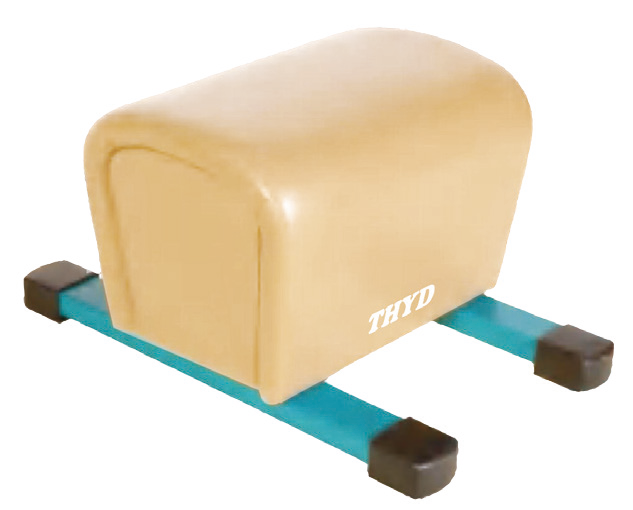
The pommel horse stands as one of gymnastics' most technically demanding apparatus, requiring an intricate blend of rhythm, timing, and muscular control that distinguishes elite performers from developing athletes. Understanding how this apparatus specifically enhances rhythm and control reveals the sophisticated biomechanical principles underlying successful pommel horse routines and why this equipment remains central to men's artistic gymnastics training programs worldwide.
The unique design characteristics of the pommel horse create specific training conditions that cannot be replicated on other gymnastics apparatus, making it an essential tool for developing the precise coordination between upper body strength, core stability, and temporal awareness that defines mastery in this discipline. The relationship between apparatus design and skill development becomes particularly evident when examining how consistent practice on a properly constructed pommel horse translates into improved performance metrics and competitive success.
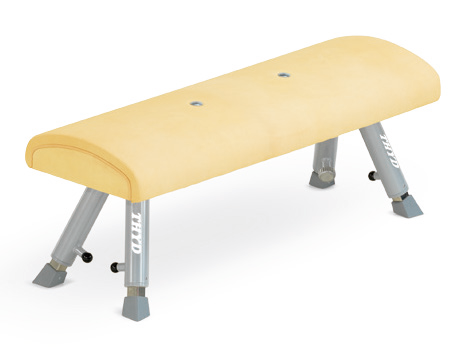
Biomechanical Foundation of Rhythm Development
Pendular Motion Mechanics
The pommel horse functions as a biomechanical training system that teaches athletes to maintain consistent pendular motion while executing complex skill sequences. The apparatus height and pommel positioning create specific angular momentum requirements that force gymnasts to develop precise timing patterns. When athletes practice circles and travels on the pommel horse, their bodies must maintain a controlled pendular swing that requires exact coordination between shoulder girdle movement and hip positioning.
This pendular motion creates a natural rhythm that becomes internalized through repetitive practice, establishing neural pathways that govern temporal control in competitive routines. The pommel horse design ensures that any deviation from optimal rhythm immediately disrupts the flow of movement, providing instant feedback that accelerates learning and reinforces proper timing patterns. Athletes who train consistently on quality pommel horse equipment develop an enhanced kinesthetic awareness of rhythm that translates directly into improved routine consistency.
Core Stabilization Patterns
The pommel horse demands continuous core engagement throughout all movements, creating unique stabilization challenges that enhance overall control mechanisms. Unlike floor exercises or ring work, the pommel horse requires athletes to maintain body position while their hands serve as the only points of contact with the apparatus. This constraint forces the development of sophisticated core stabilization patterns that integrate deep abdominal muscles, hip flexors, and back extensors in precise coordination.
Training on a pommel horse systematically builds the muscular endurance and coordination necessary for maintaining body alignment throughout extended skill sequences. The apparatus design creates specific loading patterns that strengthen the kinetic chain from shoulders through hips, establishing the physical foundation required for advanced rhythm and control development in competitive routines.
Technical Skill Progression and Control Enhancement
Hand Placement Precision
The pommel horse teaches gymnasts precise hand placement techniques that form the foundation of all advanced skills on this apparatus. The pommel configuration requires athletes to develop exact spatial awareness and timing for hand transitions, as even minimal placement errors can disrupt entire skill sequences. Regular practice on the pommel horse refines proprioceptive abilities and establishes muscle memory patterns that ensure consistent hand positioning under competitive pressure.
This precision training extends beyond basic hand placement to include the development of grip strength, finger coordination, and wrist stability that are essential for maintaining control throughout complex routines. The pommel horse surface texture and pommel design provide specific tactile feedback that helps athletes develop sensitivity to apparatus contact points, improving their ability to make subtle adjustments during skill execution.
Transition Timing Mastery
The pommel horse requires seamless transitions between different skill elements, making it an ideal training tool for developing temporal control and movement flow. Athletes must coordinate multiple body segments while maintaining continuous motion, creating complex timing challenges that enhance overall movement quality. The apparatus design ensures that successful skill transitions depend on precise timing rather than raw strength, emphasizing the development of refined motor control patterns.
Training progression on the pommel horse follows a systematic pattern that builds timing awareness from basic circles through advanced combination skills. Each skill level introduces new timing challenges while reinforcing previously learned patterns, creating a comprehensive development system that enhances both rhythm and control capabilities. Athletes who master these transition timing patterns demonstrate superior flow and consistency in their competitive routines.
Neuromuscular Adaptation and Motor Learning
Proprioceptive Enhancement
The pommel horse creates unique sensory conditions that enhance proprioceptive development and spatial awareness in gymnasts. The apparatus requires athletes to maintain body position and orientation while their visual field constantly changes during circular movements, forcing reliance on internal position sensors rather than visual cues. This training condition significantly improves proprioceptive acuity and body awareness that transfers to improved control in all gymnastics disciplines.
Regular pommel horse training develops enhanced sensitivity to body position changes and movement patterns, allowing athletes to make precise adjustments without conscious thought. This automated control system becomes particularly valuable during complex skill sequences where cognitive attention must focus on timing and technique rather than basic position maintenance. The proprioceptive adaptations developed through pommel horse training contribute significantly to overall gymnastics performance quality.
Motor Pattern Integration
The pommel horse facilitates the integration of complex motor patterns that combine strength, flexibility, and coordination in unique ways. Training on this apparatus requires the simultaneous activation of multiple muscle groups in precise temporal sequences, creating sophisticated neuromuscular coordination patterns. These integrated movement patterns enhance overall motor control and contribute to improved rhythm and timing in gymnastics routines.
The repetitive nature of pommel horse training allows for the refinement and automation of these complex motor patterns, reducing the cognitive load required for skill execution and freeing mental resources for routine composition and performance enhancement. Athletes who develop strong motor pattern integration through pommel horse training demonstrate superior consistency and control across all gymnastics events.
Training Methodology and Progressive Development
Systematic Skill Building
Effective pommel horse training follows a systematic progression that builds rhythm and control capabilities through carefully structured skill sequences. Beginning with basic support positions and simple leg movements, athletes gradually progress to more complex circular patterns that demand increasing levels of coordination and timing precision. This progressive approach ensures that fundamental rhythm and control patterns are thoroughly established before advancing to more challenging skills.
The pommel horse apparatus provides clear feedback regarding skill execution quality, allowing coaches and athletes to identify specific areas requiring improvement in rhythm and control development. This immediate feedback mechanism accelerates the learning process and ensures that technical deficiencies are addressed before becoming ingrained habits that limit competitive performance potential.
Endurance and Consistency Training
The pommel horse serves as an excellent tool for developing the muscular endurance and cardiovascular conditioning necessary for maintaining rhythm and control throughout complete competitive routines. Extended practice sessions on the pommel horse build the physical capacity required for consistent performance under fatigue, as competitive routines demand sustained high-level execution without deterioration in timing or control quality.
Training protocols that emphasize routine-length sequences on the pommel horse help athletes develop the ability to maintain optimal rhythm and control patterns even as fatigue accumulates. This endurance-based training approach ensures that competitive performance maintains consistent quality throughout entire routines, contributing to improved competitive scoring and reduced risk of errors due to fatigue-induced timing lapses.
FAQ
How long does it typically take to develop good rhythm on the pommel horse?
Developing fundamental rhythm patterns on the pommel horse typically requires 6-12 months of consistent training for athletes with prior gymnastics experience. Beginning gymnasts may require 12-18 months to establish basic rhythm control, while advancing to competitive-level rhythm and flow can take 2-3 years of dedicated practice. The timeline varies significantly based on individual physical abilities, training frequency, and coaching quality.
What specific muscle groups are most important for pommel horse control?
The primary muscle groups essential for pommel horse control include the deep core stabilizers, shoulder girdle muscles, hip flexors, and forearm muscles. The transverse abdominis and multifidus provide crucial spinal stability, while the latissimus dorsi and serratus anterior control shoulder positioning. Hip flexor strength and endurance are vital for maintaining leg position, and grip strength in the forearms enables sustained apparatus contact throughout routines.
Can pommel horse training improve performance on other gymnastics events?
Yes, pommel horse training significantly enhances performance across all gymnastics events by developing superior core stability, proprioceptive awareness, and temporal control. The rhythm and coordination skills developed on pommel horse transfer directly to improved flow and consistency on high bar, parallel bars, and floor exercise. Many coaches incorporate pommel horse training into comprehensive programs specifically for these cross-training benefits.
What are the most common rhythm mistakes beginners make on pommel horse?
Beginning gymnasts commonly struggle with rushing their circle tempo, leading to loss of control and premature fatigue. Other frequent mistakes include inconsistent hand timing during transitions, inadequate hip lift causing dragging legs, and failure to maintain steady pendular motion. These rhythm errors typically stem from insufficient core strength and lack of understanding of the biomechanical principles governing efficient pommel horse movement patterns.