 EN
EN


Gymnastics facility owners and managers face a critical decision that extends far beyond the initial purchase price of training apparatus: understanding how gymnastics equipment durability directly influences their facility's financial performance over years of operation. The connection between equipment longevity and return on investment represents one of the most significant yet often underestimated factors in facility planning, affecting everything from maintenance budgets to athlete retention rates and overall profitability.
When evaluating facility investments, the relationship between gymnastics equipment durability and long-term ROI operates through multiple interconnected financial mechanisms. Durable equipment reduces replacement frequency, minimizes unplanned maintenance expenses, sustains consistent training quality, protects facility reputation, and ultimately determines whether a gymnastics center operates profitably or struggles with escalating operational costs. This comprehensive analysis explores the specific pathways through which equipment longevity transforms initial capital expenditures into sustained competitive advantage and financial returns.
The Direct Cost Structure of Equipment Durability
Capital Expenditure Amortization and Replacement Cycles
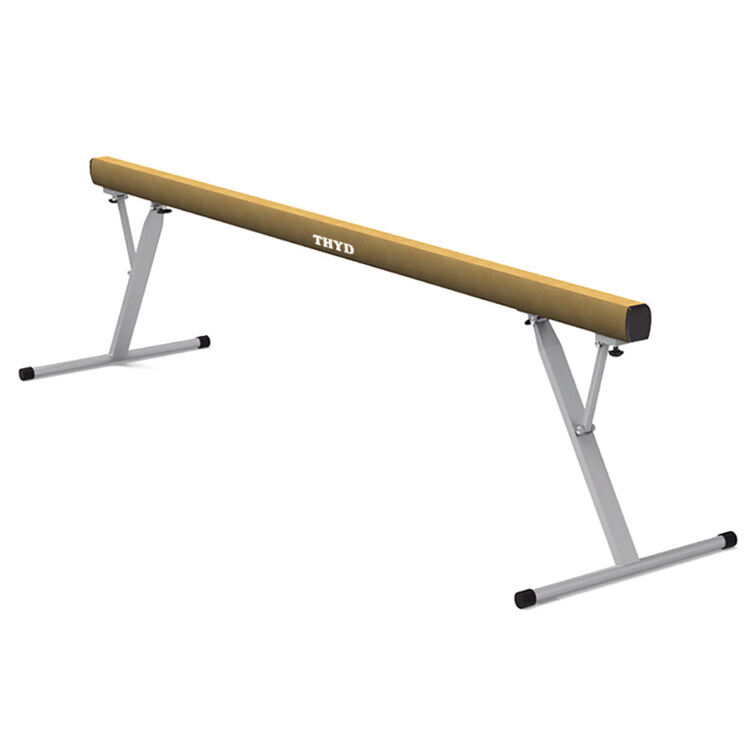
The fundamental impact of gymnastics equipment durability on facility ROI begins with how equipment lifespan affects capital expenditure amortization. When facilities invest in high-durability apparatus, they extend the useful life period over which initial costs can be distributed, effectively reducing the annual cost burden of maintaining a complete training environment. A balance beam with superior gymnastics equipment durability might cost thirty percent more initially but last twice as long, resulting in a net reduction in annualized equipment costs of approximately thirty-five percent when accounting for the time value of money.
Replacement cycle planning represents another critical financial consideration directly tied to equipment longevity. Facilities operating with lower-durability equipment face more frequent replacement decisions, requiring capital reserves to be maintained at higher levels and creating periodic cash flow disruptions. These replacement cycles often occur unpredictably when equipment fails prematurely, forcing facility managers to make rushed purchasing decisions without adequate market research or negotiation leverage. The resulting financial volatility makes business planning more difficult and can strain relationships with financial institutions when unexpected capital requirements arise.
Furthermore, the replacement process itself generates hidden costs beyond the equipment purchase price. Installation expenses, facility downtime during equipment changeovers, staff retraining on new apparatus configurations, and athlete adjustment periods all represent real economic impacts that multiply the true cost of frequent replacement. Facilities with superior gymnastics equipment durability avoid these recurring transition costs, allowing operational continuity that preserves both financial efficiency and training program momentum.
Maintenance Cost Trajectories Over Equipment Lifespan
The ongoing maintenance requirements of gymnastics equipment follow predictable cost trajectories that vary dramatically based on initial durability characteristics. Equipment constructed with inferior materials or substandard engineering typically exhibits accelerating maintenance needs as operational hours accumulate, creating a maintenance cost curve that rises exponentially rather than linearly. This progression means that facilities investing in lower-durability equipment face not only more frequent repairs but increasingly expensive interventions as equipment ages and multiple systems require simultaneous attention.
High-durability equipment demonstrates fundamentally different maintenance economics. Superior gymnastics equipment durability translates into more predictable, linear maintenance cost progression, allowing facilities to budget accurately and avoid the financial surprises that characterize lower-quality apparatus. The engineering principles behind durable equipment—reinforced stress points, corrosion-resistant materials, accessible component design—reduce both the frequency and complexity of required maintenance interventions. This predictability enables facilities to implement preventive maintenance schedules that further extend equipment life while maintaining lower overall maintenance expenditures.
Labor costs associated with equipment maintenance represent another durability-dependent variable with substantial ROI implications. Equipment requiring frequent adjustments, component replacements, or safety inspections demands dedicated staff time that could otherwise contribute to revenue-generating activities. Facilities with durable equipment can allocate maintenance personnel more efficiently, potentially reducing staffing requirements or redirecting labor toward program development, customer service, and facility expansion initiatives that directly enhance revenue generation.
Warranty Protection and Risk Transfer Mechanisms
Manufacturers confident in their gymnastics equipment durability typically offer comprehensive warranty coverage that effectively transfers financial risk from facility operators to equipment suppliers. These warranties represent hidden value that significantly impacts long-term ROI by protecting facilities from catastrophic equipment failures during critical early operational years. Extended warranties on durable equipment provide budget certainty and financial protection that lower-quality alternatives cannot match, creating a risk management advantage that accountants and financial planners should incorporate into equipment acquisition decisions.
The warranty structure itself serves as a reliable indicator of underlying equipment quality and expected longevity. Manufacturers offering ten-year structural warranties or lifetime frame guarantees demonstrate confidence in their engineering and materials selection that facilities should interpret as evidence of superior durability. Conversely, limited warranty periods or extensive exclusion clauses signal potential durability concerns that will likely manifest as out-of-warranty repair expenses precisely when equipment reaches the age where maintenance costs typically accelerate.
Revenue Protection Through Consistent Training Quality
Athlete Safety Perception and Enrollment Stability
The connection between gymnastics equipment durability and facility revenue operates primarily through athlete retention and enrollment growth, both of which depend critically on perceived safety and training quality. Parents evaluating gymnastics programs assess facility conditions as primary indicators of program quality and safety standards. Equipment showing visible wear, structural instability, or requiring frequent out-of-service periods creates negative impressions that directly impact enrollment decisions and renewal rates. Facilities maintaining consistently high-quality training environments through durable equipment investments protect their revenue base by sustaining the trust that drives enrollment stability.
The financial impact of enrollment volatility caused by equipment quality concerns extends beyond simple membership numbers. Facilities experiencing enrollment declines face disproportionate revenue impacts because fixed costs—facility leases, insurance, administrative staff—remain constant while per-student revenue contribution decreases. This operating leverage means that even modest enrollment reductions triggered by equipment quality perceptions can substantially reduce profitability. Conversely, facilities known for superior equipment and training environments command pricing premiums and experience lower customer acquisition costs as reputation drives word-of-mouth referrals.
Competitive gymnastics programs face particularly acute sensitivity to equipment quality because athlete performance and injury risk connect directly to apparatus condition. Elite athletes and their coaches recognize equipment degradation immediately and will migrate to facilities offering superior training environments. The revenue concentration typical in competitive programs—where advanced athletes generate disproportionate revenue through intensive training schedules—means that losing even a small number of competitive athletes due to equipment concerns can significantly impact facility financial performance.
Program Continuity and Schedule Optimization
Gymnastics equipment durability directly enables schedule density optimization, which represents the primary revenue maximization lever available to facility operators. Equipment failures or safety concerns force schedule disruptions, class cancellations, and apparatus rotation limitations that reduce the total training hours facilities can deliver within their operating windows. Durable equipment maintains consistent availability, allowing facilities to maximize class density, minimize idle time, and fully utilize their facility capacity to generate revenue.
The financial mathematics of schedule optimization reveal why equipment reliability matters so significantly to ROI. A facility operating at eighty-five percent schedule capacity due to equipment availability constraints versus ninety-five percent capacity with highly durable apparatus realizes a revenue difference of approximately twelve percent with minimal corresponding cost increase. Since most facility costs remain fixed regardless of utilization rates, this revenue enhancement flows almost entirely to operating profit, creating substantial ROI improvements attributable directly to superior gymnastics equipment durability.
Long-term program development initiatives also depend on equipment reliability and consistency. Facilities building competitive teams, developing specialized training tracks, or creating branded program offerings require equipment that maintains consistent performance characteristics over multi-year development cycles. Equipment degradation that alters performance characteristics disrupts skill progression sequences and forces program modifications that undermine competitive differentiation and market positioning. Durable equipment provides the operational stability necessary for executing long-term strategic initiatives that drive sustained revenue growth.
Instructor Productivity and Training Efficiency
The quality and durability of gymnastics equipment significantly influences instructor productivity, which directly impacts facility labor economics and profitability. Instructors working with unreliable or degraded equipment must allocate attention to equipment management rather than athlete instruction—monitoring apparatus safety, implementing compensating teaching techniques, and managing athlete concerns about equipment condition. This divided attention reduces effective instruction time per athlete and limits the student-to-instructor ratios facilities can maintain while preserving program quality.
Facilities with superior gymnastics equipment durability enable higher instructor productivity by eliminating equipment-related distractions and allowing full focus on skill development and athlete engagement. This productivity enhancement allows facilities to operate with leaner instructor staffing models or serve more athletes with existing staff, directly improving labor cost ratios and operating margins. The compounding effect over multiple years of operation makes instructor productivity gains attributable to equipment quality one of the most significant yet often overlooked contributors to long-term facility ROI.
Brand Equity and Market Positioning Advantages
Reputation Capital Accumulation Through Equipment Investment
Gymnastics facilities operate in highly transparent local markets where equipment quality becomes visible differentiator that shapes facility reputation and brand perception. Parents touring facilities, athletes training at multiple locations, and coaches evaluating program options all assess equipment condition as a primary quality indicator. Facilities investing in durable, well-maintained equipment build reputation capital that translates into tangible competitive advantages: higher conversion rates from facility tours, reduced price sensitivity among prospective members, and enhanced ability to attract experienced coaching talent.
The long-term accumulation of positive reputation represents an intangible asset with substantial economic value that directly connects to equipment durability decisions. Facilities known for superior training environments can sustain higher pricing, experience lower marketing costs per enrollment, and achieve higher lifetime customer values as satisfied families remain enrolled longer and refer other participants. These reputation-driven advantages compound over time, creating widening performance gaps between facilities that prioritize equipment quality and those accepting gradual equipment degradation.
Social proof mechanisms amplify the reputation effects of equipment quality in modern gymnastics markets. Online reviews, social media sharing, and digital word-of-mouth mean that equipment condition observations spread rapidly throughout local markets. A single piece of obviously degraded or unsafe equipment can generate negative online commentary that reaches hundreds of prospective customers, while consistently high-quality training environments generate positive digital content that serves as perpetual marketing assets. The ROI implications of these reputation dynamics make gymnastics equipment durability a strategic marketing investment rather than merely an operational consideration.
Competitive Differentiation in Saturated Markets
In markets with multiple gymnastics facilities competing for limited customer populations, equipment quality serves as a critical differentiation axis that influences competitive positioning and market share distribution. Facilities cannot easily differentiate through location once markets reach saturation, and program curriculum tends toward homogeneity as coaches circulate between facilities. Equipment quality—particularly the durability and condition of apparatus—becomes one of the few tangible differentiators that customers can easily assess and that directly impacts their training experience.
The competitive dynamics of equipment-based differentiation create winner-take-more market structures where facilities with superior equipment capture disproportionate market share. Families comparing facilities overwhelmingly select the option with better equipment when other factors appear roughly equivalent, and this preference intensifies as athletes advance and equipment quality increasingly impacts skill development potential. Facilities maintaining superior gymnastics equipment durability through strategic investment capture premium market segments and can sustain pricing power that facilities with aging equipment cannot match.
Exit Value and Asset Transferability Considerations
For facility owners contemplating eventual sale or transition, equipment durability significantly influences facility valuation and marketability. Prospective buyers evaluate equipment condition and remaining useful life as critical factors in acquisition decisions, with facilities featuring recent equipment investments or exceptionally durable apparatus commanding substantial valuation premiums. The equipment portfolio essentially represents a balance sheet asset whose depreciation schedule directly affects facility enterprise value, making initial durability decisions important not only for operational ROI but also for eventual exit returns.
The transferability of equipment investments varies considerably based on durability characteristics. Highly durable commercial-grade equipment maintains residual value throughout extended lifespans and can be relocated or repurposed if facility operations change, providing financial flexibility that lower-durability equipment cannot match. This residual value option creates asymmetric risk profiles favoring durable equipment investments—superior upside potential through extended operational use combined with downside protection through maintained resale or alternative-use value.
Risk Management and Business Continuity Factors
Liability Exposure and Insurance Cost Implications
The relationship between gymnastics equipment durability and liability risk represents a critical but often underappreciated ROI factor. Equipment failures resulting in athlete injuries expose facilities to substantial legal liability, insurance claims, and reputational damage that can threaten business viability. Durable equipment engineered to maintain safety standards throughout extended operational periods reduces liability exposure and demonstrates the due diligence that liability insurers and legal standards demand from facility operators.
Insurance underwriters explicitly consider equipment age, condition, and maintenance practices when establishing liability premium rates for gymnastics facilities. Facilities operating newer, more durable equipment with documented maintenance protocols typically qualify for favorable insurance rates, while those with aging or poorly maintained apparatus face premium increases or coverage limitations. These insurance cost differentials accumulate substantially over multi-year policy periods, creating another financial pathway through which gymnastics equipment durability directly impacts facility ROI through operating expense reduction.
The catastrophic risk potential associated with equipment failure extends beyond direct injury costs to include business interruption, regulatory sanctions, and potential facility closure orders. A serious equipment-related injury can trigger safety inspections, operational restrictions, and negative publicity that disrupts revenue generation for extended periods. Facilities investing in superior equipment durability essentially purchase business continuity insurance that protects against low-probability but high-impact adverse events that could otherwise destroy years of accumulated business value.
Regulatory Compliance and Inspection Readiness
Gymnastics facilities operate under increasing regulatory scrutiny regarding equipment safety standards and maintenance documentation. Jurisdictions implementing equipment inspection requirements or safety certification mandates create compliance costs that vary substantially based on underlying equipment quality and durability. Facilities with durable, well-maintained equipment navigate regulatory requirements with minimal disruption and expense, while those operating marginal equipment face potential compliance failures, required upgrades, or operational restrictions that impose significant financial burdens.
The proactive compliance advantages of durable equipment extend beyond avoiding regulatory penalties to include competitive positioning as safety standards evolve. Facilities already operating equipment that exceeds emerging standards avoid the rushed capital expenditures that competitors must undertake when new requirements take effect. This timing advantage allows strategic facility operators to maintain investment flexibility and potentially acquire distressed competitors forced to close due to inability to meet upgraded equipment standards, turning regulatory change into expansion opportunities rather than financial threats.
Operational Resilience During Economic Fluctuations
Economic downturns test facility financial resilience, and gymnastics equipment durability significantly influences survival capacity during revenue contractions. Facilities burdened with frequent equipment replacement needs or high maintenance costs face difficult choices when revenues decline—defer necessary equipment investments and risk safety or quality degradation, or maintain equipment spending and accept reduced profitability or potential losses. Facilities benefiting from durable equipment face less severe tradeoffs, maintaining operational quality while preserving financial flexibility to weather economic challenges.
The counter-cyclical value of equipment durability becomes particularly apparent during recovery periods following economic contractions. Facilities that maintained equipment quality through downturns position themselves to capture market share from competitors that deferred investments and now operate with degraded training environments. This competitive dynamic means that superior gymnastics equipment durability provides not only steady-state operational advantages but also strategic resilience that enhances long-term survival probability and market position through complete economic cycles.
Strategic Investment Frameworks for Equipment Decisions
Total Cost of Ownership Analysis Methodology
Sophisticated facility operators evaluate equipment investments using total cost of ownership frameworks that incorporate all durability-related financial impacts over projected equipment lifespans. This analytical approach moves beyond simple purchase price comparison to quantify maintenance costs, replacement timing, downtime impacts, warranty value, and residual values into comprehensive economic models. Total cost of ownership analysis consistently demonstrates that equipment with superior gymnastics equipment durability delivers lower lifetime costs despite higher initial purchase prices, with break-even periods typically occurring within two to four years of operation.
The implementation of total cost of ownership analysis requires developing realistic projections for equipment-specific variables including maintenance frequency, component replacement schedules, expected useful life, and performance degradation patterns. Facilities should demand detailed durability data from equipment suppliers, including accelerated aging test results, material specifications, and historical performance information from existing installations. This evidence-based approach to equipment selection replaces intuition-driven purchasing decisions with quantitative frameworks that optimize long-term financial outcomes.
Sensitivity analysis within total cost of ownership models reveals which durability characteristics most significantly impact overall economics for specific facility contexts. High-utilization competitive training centers may find that equipment capable of withstanding intensive daily use delivers disproportionate value, while recreational programs might prioritize different durability attributes. These context-specific insights enable facilities to match equipment investments precisely to their operational requirements rather than applying generic purchasing criteria that may not optimize their particular ROI equation.
Staged Investment Strategies and Portfolio Management
Facilities managing multiple pieces of gymnastics equipment should implement portfolio approaches to equipment investment that balance immediate capital constraints with long-term durability objectives. Staged investment strategies might prioritize replacing highest-utilization apparatus with superior durability equipment first, capturing immediate ROI improvements while spreading capital requirements across multiple budget cycles. This approach allows facilities to progressively upgrade their equipment portfolio toward optimal durability standards without requiring prohibitive single-year capital commitments.
Equipment portfolio management also involves strategic decisions about standardization versus diversification of equipment suppliers and specifications. Standardizing on suppliers known for exceptional gymnastics equipment durability simplifies maintenance, creates volume purchasing leverage, and ensures consistent quality across the facility. However, some diversification may provide resilience against supplier-specific issues and allow facilities to optimize equipment selection for different apparatus types where durability requirements vary substantially.
Financial Structuring and Capital Allocation Optimization
The financing mechanisms facilities employ for equipment acquisition significantly influence how durability characteristics translate into ROI outcomes. Outright purchase of durable equipment maximizes long-term financial returns by avoiding financing costs and capturing full residual value, but requires substantial upfront capital that may constrain other investment opportunities. Equipment financing or leasing arrangements reduce immediate capital requirements but add interest costs and may include restrictive terms regarding equipment modification or disposal that limit operational flexibility.
For facilities choosing financing approaches, equipment durability becomes even more critical because financing costs effectively amplify the total investment amount. Financing lower-durability equipment that requires premature replacement means facilities pay interest on apparatus that delivers abbreviated useful life, substantially worsening overall economics. Conversely, financing highly durable equipment allows facilities to fully utilize the apparatus throughout the financing period and continue generating returns long after financing obligations conclude, optimizing the relationship between capital costs and equipment value delivery.
FAQ
What specific durability metrics should facilities evaluate when comparing gymnastics equipment options?
Facilities should systematically evaluate several quantitative durability indicators including material specifications such as steel gauge thickness and grade quality, structural engineering details like weld quality and stress distribution design, component ratings such as bearing load capacities and spring cycle lifespans, surface treatment durability including powder coating thickness and UV resistance ratings, and manufacturer testing data such as accelerated aging results and simulated use cycle performance. Additionally, facilities should investigate real-world performance evidence through reference installations of similar vintage, documented maintenance histories from existing users, and warranty terms that indicate manufacturer confidence in longevity. The most predictive durability assessment combines these technical specifications with operational evidence from facilities operating under similar usage intensity and environmental conditions.
How can smaller gymnastics facilities with limited budgets justify premium pricing for more durable equipment?
Smaller facilities actually benefit disproportionately from investing in durable equipment because they typically lack the financial reserves to absorb unexpected replacement costs or the operational flexibility to work around equipment failures. The total cost of ownership advantage of durable equipment becomes more pronounced for budget-constrained operations because they face higher relative costs from operational disruptions and have fewer options for distributing training loads across backup equipment. Smaller facilities should consider extended financing terms specifically for high-durability equipment, recognizing that modest monthly payment increases deliver substantial long-term savings through eliminated replacement cycles and reduced maintenance expenses. Additionally, the competitive positioning advantages of superior equipment quality allow smaller facilities to compete effectively against larger operations, protecting market share and enabling the revenue stability necessary to justify equipment investments.
At what point does existing equipment degradation justify accelerated replacement rather than continued maintenance investment?
The replacement decision threshold occurs when the projected cost of maintaining existing equipment through its remaining viable lifespan exceeds the amortized cost of replacement equipment over a comparable period, accounting for the operational and revenue impacts of continued use of degraded apparatus. Quantitatively, facilities should calculate monthly maintenance costs for existing equipment, project these forward based on expected degradation acceleration, and compare this total to the monthly equivalent cost of replacement equipment including financing if applicable. Beyond pure financial analysis, facilities must consider safety margins and the reputational risks of continuing to operate equipment approaching end-of-life conditions. Generally, when maintenance costs exceed fifteen to twenty percent of replacement cost annually, or when equipment requires major structural repairs, replacement becomes economically justified regardless of remaining theoretical equipment life.
How does climate and facility environment affect equipment durability and related ROI calculations?
Environmental conditions significantly influence gymnastics equipment durability through mechanisms including humidity exposure affecting metal corrosion rates and wood moisture content changes, temperature fluctuations causing material expansion and contraction that stresses joints and fasteners, UV exposure degrading protective coatings and synthetic materials, and airborne contaminants like chlorine from adjacent pools accelerating material degradation. Facilities operating in challenging environmental conditions should prioritize equipment specifically engineered for durability in their particular context, such as marine-grade stainless steel components for high-humidity coastal locations or UV-stabilized materials for facilities with significant natural lighting. The ROI advantage of environment-appropriate equipment durability becomes more pronounced in harsh conditions because standard equipment degrades much more rapidly, making the incremental cost of specialized durable equipment relatively modest compared to the substantially extended operational life it provides.
Table of Contents
- The Direct Cost Structure of Equipment Durability
- Revenue Protection Through Consistent Training Quality
- Brand Equity and Market Positioning Advantages
- Risk Management and Business Continuity Factors
- Strategic Investment Frameworks for Equipment Decisions
-
FAQ
- What specific durability metrics should facilities evaluate when comparing gymnastics equipment options?
- How can smaller gymnastics facilities with limited budgets justify premium pricing for more durable equipment?
- At what point does existing equipment degradation justify accelerated replacement rather than continued maintenance investment?
- How does climate and facility environment affect equipment durability and related ROI calculations?