 EN
EN


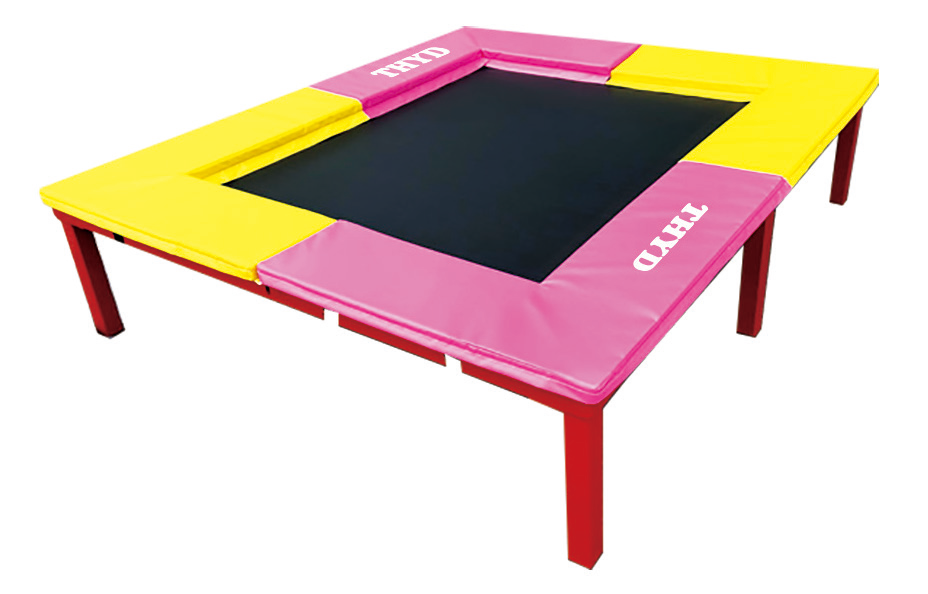
Training drills that incorporate controlled mini trampoline use offer athletes and fitness enthusiasts unique advantages for developing explosive power, coordination, and body awareness. Understanding which specific drills maximize these benefits helps coaches and trainers design more effective workout programs that target key athletic development areas. The controlled nature of mini trampoline training allows for progressive skill building while maintaining safety standards essential for long-term athletic development.
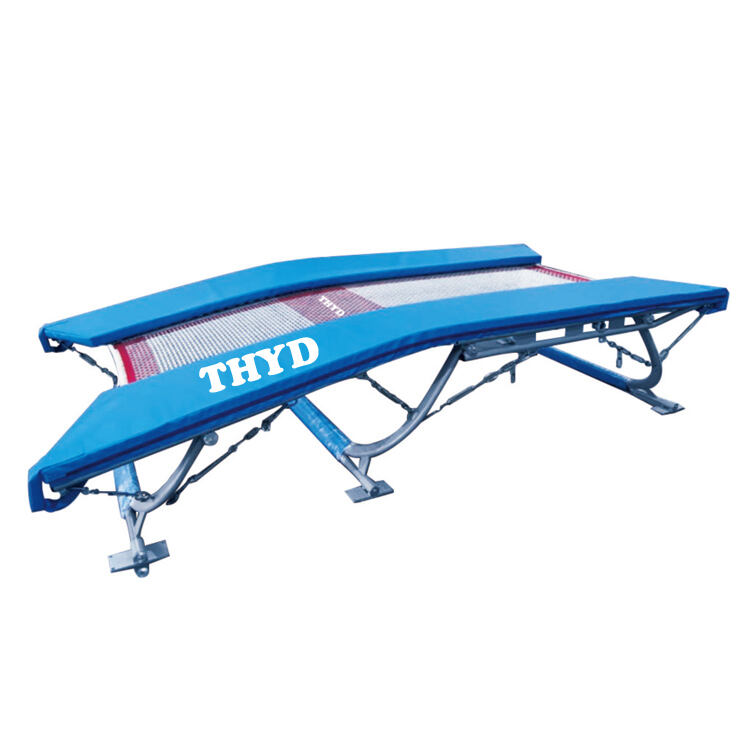
The effectiveness of controlled mini trampoline training lies in its ability to enhance neuromuscular coordination while reducing impact stress on joints. This training method creates an environment where athletes can practice complex movements with reduced risk of injury, making it particularly valuable for developing fundamental movement patterns. The controlled bounce surface provides consistent feedback that helps athletes refine their timing and spatial awareness across various training protocols.
Plyometric Power Development Drills
Explosive Jump Training Sequences
Controlled mini trampoline platforms excel in plyometric training by providing consistent rebound energy that amplifies natural jumping mechanics. Athletes performing depth jumps onto the controlled mini trampoline surface experience enhanced force production as they absorb and redirect the elastic energy generated by the bounce. This training method develops the stretch-shortening cycle more effectively than traditional ground-based plyometrics because the controlled mini trampoline surface provides additional upward momentum.
Double-leg bounding exercises on controlled mini trampoline equipment allow athletes to focus on proper landing mechanics while building explosive power. The consistent bounce characteristics help athletes maintain rhythm during repetitive jumping sequences, leading to improved coordination between the nervous system and muscular contractions. Training sessions incorporating these drills typically show measurable improvements in vertical jump height and reactive strength within four to six weeks of consistent practice.
Single-leg hop progressions benefit significantly from controlled mini trampoline training because the surface provides stability feedback that helps athletes maintain balance during unilateral movements. These exercises develop asymmetrical strength patterns essential for sports requiring quick direction changes and single-limb stability. The controlled bounce allows athletes to practice more repetitions with reduced fatigue compared to hard surface training.
Reactive Strength Enhancement
Reactive strength training on controlled mini trampoline surfaces focuses on minimizing ground contact time while maximizing force output. Athletes practicing drop jumps from various heights onto the controlled mini trampoline learn to absorb and redirect forces more efficiently than traditional training methods. The controlled surface provides immediate feedback about landing quality and force distribution, helping athletes develop better proprioceptive awareness.
Multi-directional reactive drills using controlled mini trampoline equipment prepare athletes for the unpredictable demands of competitive sports. These exercises involve bouncing in various directions while maintaining control and proper body alignment, developing the neuromuscular adaptations necessary for quick directional changes. The controlled nature of the bounce allows coaches to progress athletes gradually from simple bilateral movements to complex unilateral patterns.
Coordination and Balance Training Applications
Dynamic Stability Development
Controlled mini trampoline training provides an unstable surface that challenges proprioceptive systems while maintaining predictable bounce characteristics. Athletes performing balance exercises on this equipment develop enhanced joint stability and improved reaction times to perturbations. The controlled mini trampoline surface creates an environment where athletes can practice maintaining equilibrium during dynamic movements without the unpredictability of completely unstable training tools.
Core stabilization drills on controlled mini trampoline platforms engage deeper muscle groups more effectively than static surface training. The continuous micro-adjustments required to maintain balance during bouncing activities strengthen the intrinsic muscles responsible for spinal stability and postural control. These adaptations translate directly to improved performance in sports requiring precise body control and dynamic balance maintenance.
Single-limb balance challenges using controlled mini trampoline equipment develop unilateral stability patterns essential for athletic performance. Athletes practicing these drills learn to maintain center of gravity control while dealing with external perturbations from the bounce surface. The controlled nature allows for progressive overload by adjusting bounce intensity and adding secondary tasks to increase complexity.
Neuromuscular Coordination Enhancement
Complex movement patterns practiced on controlled mini trampoline surfaces improve interlimb coordination and timing precision. Athletes performing synchronized arm and leg movements while bouncing develop better motor planning abilities and movement sequencing skills. The controlled mini trampoline provides consistent timing cues that help athletes establish proper movement rhythms essential for skilled athletic performance.
Hand-eye coordination drills incorporating controlled mini trampoline training challenge athletes to maintain visual focus while managing dynamic balance demands. These exercises involve catching and throwing objects while bouncing, developing the ability to process multiple sensory inputs simultaneously. The controlled bounce characteristics ensure that athletes can focus on coordination tasks without worrying about unpredictable surface reactions.
Sport-Specific Movement Pattern Training
Gymnastics and Acrobatic Skill Development
Controlled mini trampoline training serves as an excellent progression tool for gymnasts learning complex acrobatic skills. The additional height and hangtime provided by the controlled mini trampoline surface allow athletes to practice rotation timing and body positioning for flips and twists with reduced risk. Beginning gymnasts can develop proper takeoff mechanics and landing awareness before progressing to more advanced apparatus.
Tumbling sequence training benefits from controlled mini trampoline use because athletes can practice connecting multiple skills with consistent rebound energy. The controlled bounce helps maintain momentum between elements while providing opportunities to correct technique errors mid-sequence. This training method accelerates skill acquisition by allowing more practice repetitions with reduced physical stress on the athlete.
Spatial awareness development for aerial skills improves dramatically with controlled mini trampoline training. Athletes learn to judge rotation speed and body position relative to landing surfaces more effectively when using equipment that provides predictable bounce characteristics. The controlled mini trampoline environment allows coaches to spot athletes more safely during skill progression phases.
Athletic Performance Enhancement Drills
Sprint start mechanics can be refined using controlled mini trampoline training by focusing on explosive drive phase development. Athletes practicing starts from the controlled mini trampoline surface learn to generate maximum force output while maintaining proper body alignment. The elastic energy provided by the controlled bounce enhances the training stimulus while reducing impact stress on the lower extremities.
Change of direction training incorporates controlled mini trampoline use to develop deceleration and reacceleration abilities essential for court and field sports. Athletes practice cutting movements by using the controlled bounce to simulate the elastic energy storage and release that occurs during competitive directional changes. This training method improves the efficiency of movement transitions while building specific strength patterns.
Jumping technique refinement for volleyball, basketball, and other jumping sports benefits from controlled mini trampoline training because athletes can practice proper takeoff and landing mechanics with enhanced feedback. The controlled surface provides consistent conditions for technique development while allowing coaches to observe and correct movement patterns more effectively than variable surface training.
Rehabilitation and Injury Prevention Applications
Low-Impact Conditioning Programs
Controlled mini trampoline training offers exceptional value for athletes returning from lower extremity injuries because the surface reduces impact forces while maintaining training stimulus. The elastic properties of the controlled mini trampoline absorb and redirect landing forces, decreasing stress on healing tissues while allowing athletes to maintain cardiovascular fitness and movement patterns. This training method provides a bridge between non-weight-bearing rehabilitation and full return to sport activities.
Joint decompression benefits occur naturally during controlled mini trampoline exercise as the bounce phase reduces gravitational loading on weight-bearing joints. Athletes with chronic joint conditions can maintain training intensity while experiencing reduced pain and inflammation compared to traditional ground-based exercise. The controlled nature ensures consistent loading patterns that support gradual tissue adaptation without excessive stress peaks.
Muscle activation patterns during controlled mini trampoline training demonstrate improved recruitment efficiency in stabilizing muscle groups. Research indicates that the unstable surface challenges proprioceptive systems while the controlled bounce provides safety margins not available with other unstable training tools. This combination promotes optimal neuromuscular re-education during injury recovery phases.
Movement Quality Restoration
Functional movement screening corrections benefit from controlled mini trampoline integration because the surface highlights movement compensations while providing supportive feedback. Athletes with movement dysfunctions can practice corrected patterns with reduced load while receiving enhanced proprioceptive input from the controlled bounce. This training approach accelerates movement pattern retraining compared to static surface corrections.
Gait training applications using controlled mini trampoline equipment help athletes restore normal walking and running mechanics after injury. The controlled surface provides consistent timing cues and force feedback that support proper stride mechanics and weight transfer patterns. Athletes can progress from walking to jogging to running on the controlled mini trampoline before transitioning back to normal surfaces.
FAQ
How often should athletes incorporate controlled mini trampoline drills into their training programs?
Most athletes benefit from controlled mini trampoline training 2-3 times per week, with sessions lasting 15-30 minutes depending on training goals and fitness levels. Beginners should start with shorter sessions focusing on basic bounce mechanics before progressing to more complex movement patterns. Advanced athletes can use controlled mini trampoline training as part of their regular plyometric or conditioning routines without exceeding recommended weekly jump training volumes.
What safety considerations are important when using controlled mini trampoline equipment for training?
Safety protocols for controlled mini trampoline training include proper warm-up procedures, adequate ceiling height clearance, and appropriate spotting when necessary. Athletes should master basic bouncing techniques before attempting complex movements, and training surfaces around the controlled mini trampoline should be adequately padded. Regular equipment inspection ensures that springs, frame components, and bounce surfaces maintain proper functionality for safe training conditions.
Can controlled mini trampoline training replace traditional plyometric exercises completely?
While controlled mini trampoline training offers unique benefits, it should complement rather than completely replace traditional plyometric training methods. The controlled bounce characteristics provide specific adaptations that may not fully transfer to ground-based athletic activities without additional training specificity. A well-rounded training program typically incorporates both controlled mini trampoline exercises and traditional plyometrics to develop comprehensive athletic abilities.
What age groups can safely participate in controlled mini trampoline training drills?
Controlled mini trampoline training can be safely adapted for participants from elementary school age through adult populations when properly supervised and progressed. Younger athletes typically focus on fundamental movement skills and coordination development, while older participants can engage in more intensive power and conditioning applications. Individual physical development, coordination levels, and training experience should guide exercise selection and progression rather than chronological age alone.
Table of Contents
- Plyometric Power Development Drills
- Coordination and Balance Training Applications
- Sport-Specific Movement Pattern Training
- Rehabilitation and Injury Prevention Applications
-
FAQ
- How often should athletes incorporate controlled mini trampoline drills into their training programs?
- What safety considerations are important when using controlled mini trampoline equipment for training?
- Can controlled mini trampoline training replace traditional plyometric exercises completely?
- What age groups can safely participate in controlled mini trampoline training drills?