 EN
EN


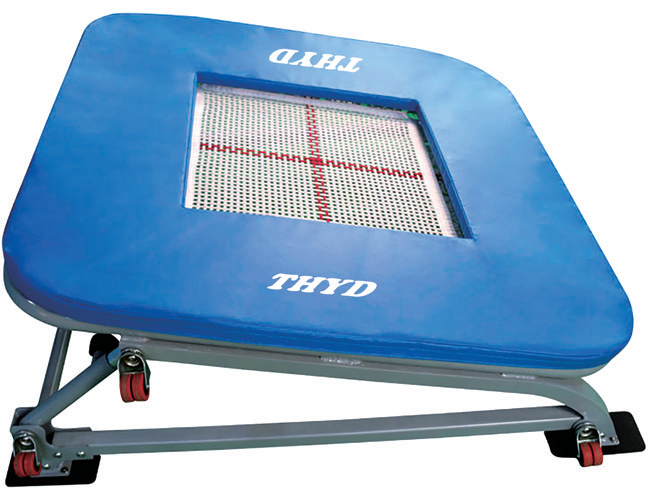
An incline trampoline serves as a crucial transitional training tool that bridges the gap between basic gymnastics skills and advanced techniques by providing graduated bounce angles and controlled rebound forces. This specialized equipment transforms the traditional horizontal bouncing surface into an angled platform that naturally guides gymnasts through skill progressions while reducing the intimidation factor of learning complex maneuvers. The inclined surface creates a unique training environment where athletes can practice advanced rotational skills, aerial awareness, and landing techniques with enhanced safety and confidence.
The mechanics of how an incline trampoline facilitates skill development lies in its ability to modify trajectory patterns and provide assistive momentum for challenging gymnastics elements. Unlike standard trampolines that require gymnasts to generate all rotational force independently, the incline trampoline uses gravitational assistance combined with elastic rebound to help athletes achieve proper rotation timing and spatial orientation. This assistive mechanism proves particularly valuable when transitioning from basic jumps to complex flips, twists, and combination skills that form the foundation of competitive gymnastics routines.
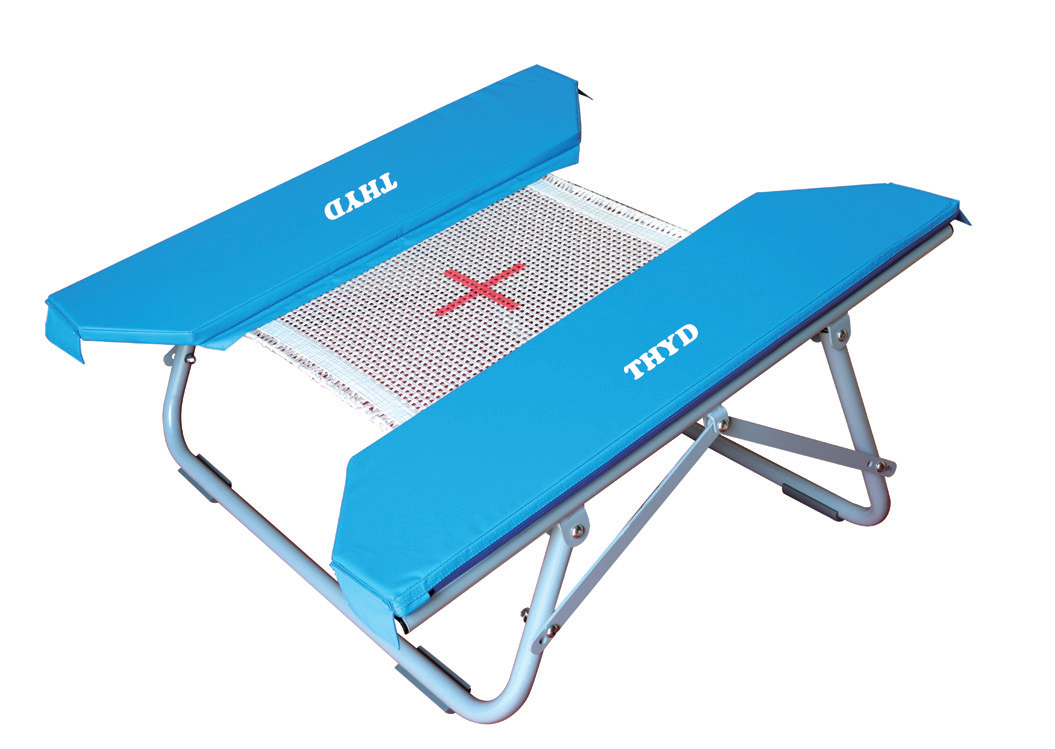
Biomechanical Advantages of Angled Bounce Training
Modified Launch Trajectories for Progressive Learning
The angled surface of an incline trampoline fundamentally alters the launch trajectory compared to horizontal trampolines, creating a more forgiving learning environment for skill acquisition. When gymnasts bounce from an inclined surface, the natural physics of the angle provides additional hang time and modified rotation axis that makes complex skills more achievable during the learning phase. This trajectory modification allows coaches to introduce advanced elements earlier in the training progression while maintaining safety standards that would be impossible on conventional equipment.
The biomechanical advantage extends to how gymnasts develop proprioceptive awareness and spatial orientation during aerial phases. The incline trampoline creates predictable flight patterns that help athletes understand rotation timing, body positioning, and landing preparation without the unpredictability associated with generating full power on flat surfaces. This controlled environment proves essential for building the neural pathways necessary for executing skills consistently under competition conditions.
Reduced Impact Forces During Skill Development
Training on an incline trampoline significantly reduces the impact forces experienced during landing phases, which proves crucial for injury prevention during intensive skill development periods. The angled surface naturally dissipates landing forces more effectively than horizontal surfaces, allowing gymnasts to practice high-repetition training sessions without excessive joint stress. This reduction in cumulative impact loading enables longer training sessions focused on technical refinement rather than recovery management.
The force distribution characteristics of incline trampoline training also contribute to developing proper landing mechanics that translate directly to competition surfaces. Gymnasts learn to control deceleration forces progressively, building the muscular strength and coordination necessary for safe landings on firmer surfaces. This gradual adaptation process proves more effective than attempting to develop landing skills exclusively on competition equipment where the margin for error remains significantly smaller.
Skill-Specific Training Applications
Rotational Skill Development and Timing
The incline trampoline excels at facilitating rotational skill development by providing assistive momentum that helps gymnasts achieve proper rotation rates without requiring full technical mastery from the initial attempts. Front flips, back flips, and lateral rotations become more accessible when the angled surface contributes to the rotational initiation, allowing athletes to focus on body positioning and timing rather than struggling to generate sufficient rotation speed. This assistive learning approach accelerates skill acquisition while building confidence in aerial awareness.
Advanced rotational combinations that typically require years of development can be introduced systematically using incline trampoline progressions. Double rotations, twist combinations, and complex aerial sequences become achievable stepping stones rather than insurmountable challenges when the equipment provides graduated assistance. Gymnasts develop the kinesthetic understanding of rotation timing and body control necessary for independent execution while maintaining the safety net of assistive equipment throughout the learning process.
Aerial Awareness and Spatial Orientation Training
One of the most significant contributions of incline trampoline training involves developing aerial awareness and spatial orientation skills that prove fundamental to advanced gymnastics performance. The modified flight patterns created by angled bouncing help gymnasts understand their position relative to the ground and equipment throughout aerial phases. This spatial awareness development proves crucial for executing skills that require precise timing for releases, catches, and landing preparations in competitive routines.
The incline trampoline provides consistent reference points that help gymnasts calibrate their internal spatial awareness systems through repetitive practice in controlled conditions. This calibration process proves essential for developing the unconscious competence required for complex skills where conscious thought processes become too slow for real-time execution. Athletes who train extensively on incline trampolines typically demonstrate superior aerial awareness when transitioning to other gymnastics apparatus.
Training Progression Methodologies
Sequential Skill Building Strategies
Effective incline trampoline training follows systematic progression methodologies that gradually increase skill complexity while maintaining achievable challenge levels for developing gymnasts. The initial phases focus on basic bouncing patterns and body positioning awareness, establishing fundamental movement qualities that support more advanced skill development. Coaches typically introduce single rotations with emphasis on proper takeoff mechanics, rotation control, and landing preparation before progressing to more complex elements.
The progression methodology incorporates specific angle adjustments and bounce height modifications that correspond to individual athlete readiness levels and skill development objectives. Steeper inclines provide greater assistive momentum for learning advanced rotations, while gentler angles focus on refinement and consistency development. This adjustable training approach allows coaches to customize the learning environment to match specific athlete needs and training objectives throughout different phases of skill development.
Integration with Conventional Training Methods
Successful gymnastics programs integrate incline trampoline training with conventional apparatus work to create comprehensive skill development systems that maximize learning efficiency and competition preparation. The incline trampoline serves as a bridge between mat-based conditioning exercises and full apparatus training, providing intermediate challenge levels that prepare gymnasts for the demands of competitive routines. This integration approach prevents the common training gap where athletes struggle to transfer skills from basic drills to full apparatus execution.
The timing of incline trampoline sessions within overall training programs requires careful consideration to optimize skill transfer and avoid interference with other training adaptations. Most successful programs incorporate incline trampoline work during the early phases of new skill development, gradually transitioning to conventional equipment as technical proficiency increases. This systematic approach ensures that the assistive benefits of incline trampoline training enhance rather than replace the challenges necessary for competition readiness.
Safety Considerations and Risk Management
Equipment Setup and Maintenance Requirements
Proper setup and maintenance of incline trampoline equipment proves crucial for maintaining the safety benefits that make this training method effective for skill development. The angle adjustment mechanisms require regular inspection and calibration to ensure consistent performance characteristics throughout training sessions. Loose or improperly secured angle adjusters can create unpredictable bounce patterns that increase injury risk while undermining the controlled learning environment that makes incline trampoline training valuable.
The bounce surface integrity and tensioning systems demand ongoing attention to maintain optimal performance characteristics and prevent equipment failure during training sessions. Regular inspection protocols should include checking for surface wear patterns, spring tension consistency, and frame stability under dynamic loading conditions. Proper maintenance schedules help ensure that the incline trampoline continues providing the predictable performance characteristics necessary for safe skill development throughout its operational lifespan.
Supervision and Spotting Protocols
Effective supervision protocols for incline trampoline training require coaches who understand both the equipment capabilities and the specific spotting techniques necessary for angled bounce training. The modified trajectory patterns created by inclined surfaces require adjusted spotting positions and techniques compared to horizontal trampoline training. Coaches must develop proficiency in predicting flight paths and positioning themselves optimally to provide effective assistance when needed during skill development sessions.
The progression from assisted to independent skill execution requires systematic reduction of spotting support that matches individual athlete development rates and confidence levels. Premature removal of spotting assistance can undermine the confidence-building benefits of incline trampoline training, while excessive spotting dependence can prevent proper skill transfer to independent execution. Experienced coaches develop the judgment necessary to calibrate spotting assistance levels that optimize learning while building the independence necessary for competition performance.
Performance Enhancement and Competition Preparation
Skill Consistency Development
The controlled training environment provided by incline trampoline equipment proves instrumental in developing the skill consistency necessary for competitive gymnastics performance. The predictable bounce characteristics and assistive momentum allow gymnasts to practice skills with higher success rates than conventional training methods, building the motor pattern stability that supports consistent execution under pressure. This consistency development proves particularly valuable for complex skills where minor technical variations can result in significant performance differences.
Repetitive practice on incline trampoline surfaces helps gymnasts develop the automatic execution patterns necessary for reliable competitive performance. The reduced fear factor associated with assistive equipment allows athletes to focus on technical refinement rather than survival concerns, leading to more efficient motor learning and faster skill stabilization. This approach proves especially effective for gymnasts who struggle with confidence issues that interfere with skill development on conventional equipment.
Competition Readiness Assessment
Transitioning from incline trampoline training to competition readiness requires systematic assessment protocols that evaluate skill transfer effectiveness and identify areas requiring additional conventional apparatus training. Coaches must develop objective criteria for determining when gymnasts have developed sufficient independent execution capability to perform skills reliably without assistive equipment support. This assessment process helps prevent premature competition introduction while ensuring that athletes don't become overly dependent on training aids.
The evaluation methodology should incorporate both technical execution quality and psychological readiness factors that influence competitive performance reliability. Gymnasts who demonstrate consistent skill execution on incline trampoline equipment may still require additional conventional apparatus training to develop the mental resilience necessary for competition performance. Effective programs balance the confidence-building benefits of assistive training with the challenge adaptation necessary for competitive success.
FAQ
What makes an incline trampoline more effective than regular trampolines for learning new gymnastics skills?
An incline trampoline provides assistive momentum through its angled surface that helps gymnasts achieve proper rotation and aerial positioning without requiring full independent power generation. This assistive mechanism reduces the learning curve for complex skills while maintaining safety margins that allow for higher repetition training and faster skill acquisition compared to horizontal surfaces that offer no gravitational assistance.
How long does it typically take to transition skills from incline trampoline to regular gymnastics equipment?
The transition timeline varies significantly based on individual athlete ability, skill complexity, and training frequency, but most gymnasts require 4-8 weeks of systematic progression training to transfer skills from incline trampoline to conventional apparatus. Simple rotational skills may transfer within 2-3 weeks, while complex combination skills often require 8-12 weeks of gradual transition training with progressively reduced assistive support.
Can incline trampoline training be used for all levels of gymnasts or only beginners?
Incline trampoline training benefits gymnasts at all skill levels, from beginners learning basic rotations to elite athletes developing new advanced elements. Elite gymnasts often use incline trampolines to safely explore new skill combinations and refine technique without the full risk associated with attempting untested elements on competition equipment, making it valuable throughout the entire competitive career spectrum.
What safety precautions are most important when using incline trampoline equipment for skill development?
The most critical safety precautions include ensuring proper equipment setup with secure angle adjustments, maintaining qualified supervision with coaches trained in angled surface spotting techniques, and following systematic progression protocols that prevent athletes from attempting skills beyond their current capability level. Regular equipment inspection and appropriate matting around the incline trampoline also contribute significantly to maintaining safe training conditions.
Table of Contents
- Biomechanical Advantages of Angled Bounce Training
- Skill-Specific Training Applications
- Training Progression Methodologies
- Safety Considerations and Risk Management
- Performance Enhancement and Competition Preparation
-
FAQ
- What makes an incline trampoline more effective than regular trampolines for learning new gymnastics skills?
- How long does it typically take to transition skills from incline trampoline to regular gymnastics equipment?
- Can incline trampoline training be used for all levels of gymnasts or only beginners?
- What safety precautions are most important when using incline trampoline equipment for skill development?