 EN
EN


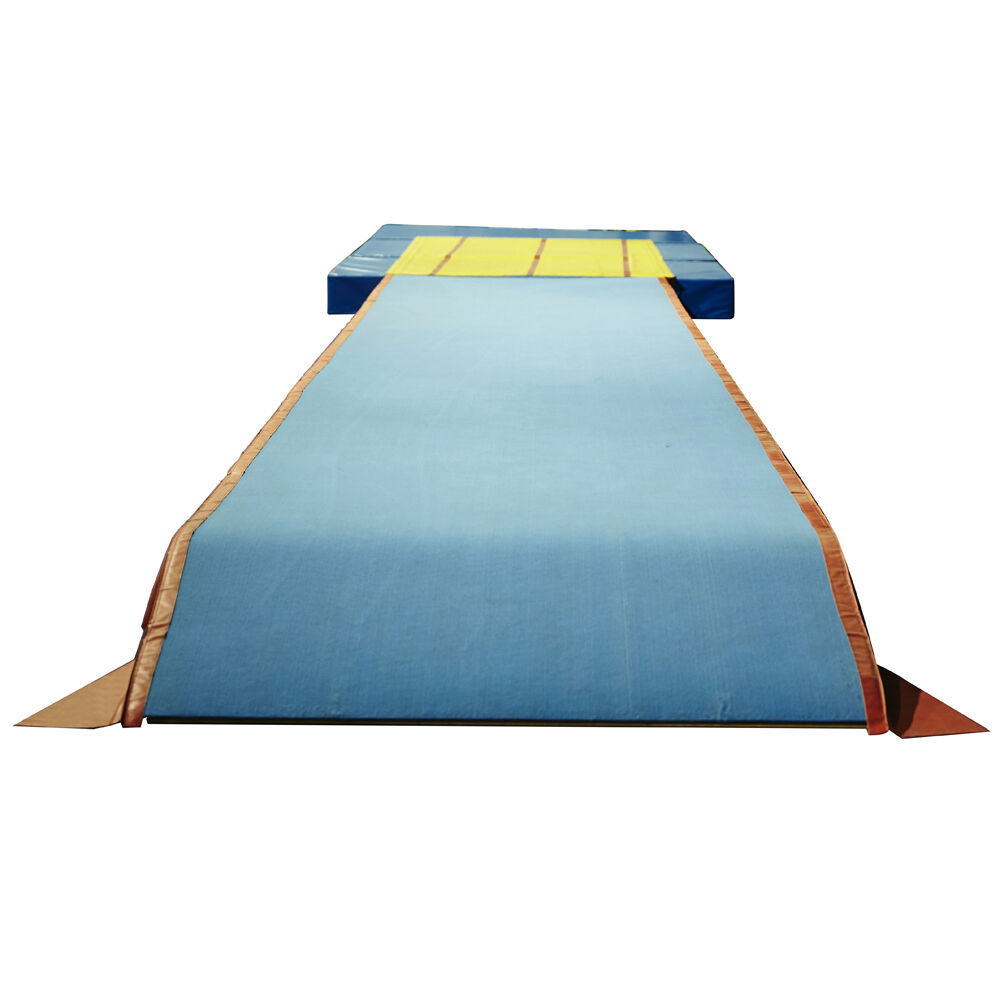
Professional gymnastics gyms require precise equipment specifications to support elite training programs, and tumble track length represents one of the most critical dimensional considerations. Understanding the standard length options available for tumble track systems enables gym owners and coaches to make informed decisions that align with their training objectives, facility constraints, and athlete development goals.
The length specifications of a tumble track directly influence the types of skills that can be practiced, the approach distance available for complex tumbling sequences, and the overall safety parameters for high-level gymnastics training. Professional facilities must evaluate how different length options impact their training programs while considering space utilization and equipment investment strategies.
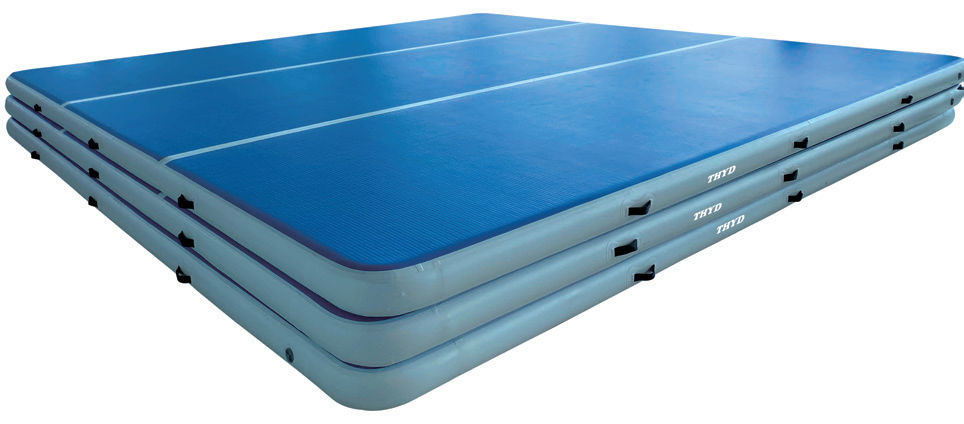
Standard Length Categories for Professional Tumble Track Systems
Competition-Grade Full-Length Configurations
Professional gymnastics gyms typically utilize tumble track systems measuring between 40 and 60 feet in length for competition-level training. These full-length configurations provide optimal approach distance for complex tumbling passes, allowing athletes to build sufficient momentum for high-difficulty skills including double and triple somersaults with multiple twists.
The 60-foot tumble track represents the premium standard for elite training facilities, offering maximum versatility for all levels of tumbling skill development. This length accommodates extended approach runs necessary for advanced power tumbling sequences while providing adequate deceleration space for safe landings after high-energy skills.
Mid-range options at 40-50 feet serve as practical solutions for facilities with moderate space constraints while maintaining professional training capabilities. These configurations support most competitive tumbling requirements while optimizing floor space utilization in multi-discipline gymnastics centers.
Compact Professional Configurations
Professional tumble track options in the 25-35 foot range cater to specialized training applications and facilities with significant space limitations. These compact configurations focus on specific skill development including back handspring series, basic somersault training, and technique refinement for intermediate-level athletes.
The 30-foot tumble track serves as a popular compromise solution, providing sufficient length for most fundamental tumbling skills while fitting into smaller training spaces. This length supports progressive skill development from basic tumbling through intermediate competitive requirements.
Shorter professional configurations require careful programming considerations, as the reduced approach distance limits the complexity of skills that can be safely practiced. However, these systems excel for focused technical training and skill progression development in space-constrained environments.
Facility Space Requirements and Length Selection Criteria
Ceiling Height Considerations
Professional tumble track selection must account for facility ceiling height requirements that correspond to different length configurations. Longer tumble track systems enable higher-velocity approaches, resulting in increased trajectory heights that demand greater overhead clearance for safe operation.
Facilities utilizing 50-60 foot tumble track configurations typically require minimum ceiling heights of 16-20 feet to accommodate the vertical displacement of advanced tumbling skills. The extended approach distance possible with longer tracks allows athletes to achieve greater heights during skill execution.
Shorter tumble track options may function safely in facilities with 12-14 foot ceilings, as the reduced approach distance naturally limits the vertical component of tumbling skills. This relationship between track length and required ceiling height influences facility design and equipment selection decisions.
Adjacent Safety Zone Planning
Professional tumble track installations require comprehensive safety zone planning that extends beyond the track itself. The length of the tumble track directly influences the required safety margins on all sides of the equipment.
Longer track configurations demand extended safety zones due to the increased potential for lateral displacement during high-speed tumbling sequences. Professional installations typically require 8-12 feet of clear space on each side of a full-length tumble track system.
End zone safety requirements also scale with track length, as longer approach distances can result in greater momentum that may carry athletes beyond the track boundaries. Proper safety zone planning ensures adequate space for emergency landings and prevents collisions with other equipment or facility structures.
Training Program Applications by Length Category
Elite Competitive Training Requirements
Elite competitive programs require tumble track lengths that support the full spectrum of high-difficulty tumbling skills found in professional competition. The 50-60 foot length range enables comprehensive training for power tumbling, acrobatic gymnastics, and advanced floor exercise elements.
Professional athletes training for national and international competition benefit from extended tumble track configurations that allow for realistic skill progression and routine development. The longer approach distances mirror competition conditions and enable proper timing development for complex skill combinations.
These length requirements support training for skills including Arabian double fronts, full-twisting double layouts, and other elements that require substantial approach velocity and precise timing. Professional coaching programs rely on adequate track length to develop these advanced skills safely and effectively.
Developmental Training Applications
Developmental gymnastics programs can utilize shorter tumble track configurations effectively while maintaining professional training standards. The 30-40 foot range supports skill progression from basic tumbling through intermediate competitive levels.
These length options accommodate training for fundamental skills including back handspring series, front and back somersaults, and basic twisting elements. The reduced length maintains safety while providing adequate space for proper skill development and confidence building.
Professional coaching methodologies adapt to different track lengths by modifying approach patterns and skill progressions. Shorter tracks emphasize technical precision and controlled execution rather than maximum power development.
Equipment Integration and Multi-Length Solutions
Modular System Configurations
Professional gymnastics facilities increasingly utilize modular tumble track systems that allow for variable length configurations based on training requirements. These systems provide flexibility to adjust track length for different training sessions, skill levels, and program needs.
Modular tumble track designs enable facilities to operate with multiple length options using the same base equipment investment. Standard modules typically measure 10-15 feet in length, allowing for customization in 10-foot increments to match specific training objectives.
This flexibility proves particularly valuable for multi-use facilities that serve different age groups and skill levels throughout the training week. Coaches can optimize track length for specific training focuses while maximizing equipment utilization efficiency.
Integration with Traditional Floor Exercise Areas
Professional tumble track systems often integrate with traditional floor exercise areas to create comprehensive training environments. The length of the tumble track influences how effectively it interfaces with standard 40x40 foot floor exercise surfaces.
Strategic placement of appropriately-sized tumble track systems can enhance overall training flow and skill transfer between specialized tumbling practice and floor routine development. The track length must complement rather than compete with existing floor space utilization.
Professional facility design considers how tumble track length affects traffic patterns, equipment rotation schedules, and multi-discipline training efficiency. Optimal length selection supports seamless integration with comprehensive gymnastics training programs.
FAQ
What is the minimum tumble track length required for professional gymnastics training?
Professional gymnastics training typically requires a minimum tumble track length of 30 feet to support basic competitive skills and proper approach development. While shorter configurations exist, the 30-foot minimum enables training for fundamental tumbling sequences including back handspring series and basic somersaults with adequate approach distance and safety margins.
How does tumble track length affect skill progression in professional programs?
Tumble track length directly influences skill progression by determining the maximum approach velocity available for skill execution. Longer tracks enable athletes to develop more powerful tumbling skills with greater difficulty ratings, while shorter tracks focus development on technical precision and controlled execution of lower-power skills.
Can professional gyms use different tumble track lengths for different training groups?
Yes, professional gyms often utilize multiple tumble track lengths or modular systems to accommodate different training groups simultaneously. Elite athletes may train on 50-60 foot configurations while developmental groups use 30-40 foot sections, optimizing both safety and skill-appropriate training environments within the same facility.
What space requirements determine tumble track length selection for new facilities?
Facility space requirements include not only the track length itself but also safety zones extending 8-12 feet on all sides, adequate ceiling height (12-20 feet depending on track length), and integration space with other training equipment. Total space requirements typically exceed the track length by 40-50 feet in each dimension to ensure safe professional operation.
Table of Contents
- Standard Length Categories for Professional Tumble Track Systems
- Facility Space Requirements and Length Selection Criteria
- Training Program Applications by Length Category
- Equipment Integration and Multi-Length Solutions
-
FAQ
- What is the minimum tumble track length required for professional gymnastics training?
- How does tumble track length affect skill progression in professional programs?
- Can professional gyms use different tumble track lengths for different training groups?
- What space requirements determine tumble track length selection for new facilities?