 EN
EN


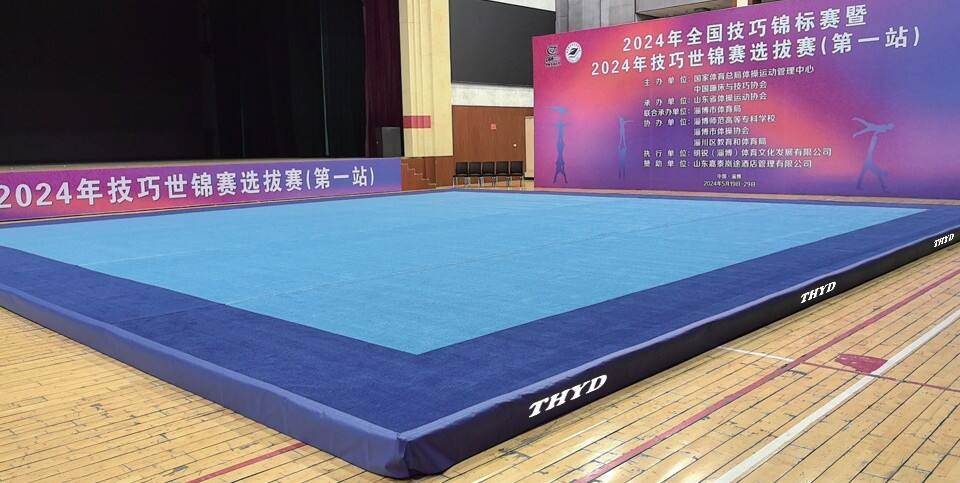
Selecting the right gymnastics mat for high-intensity training centers requires a strategic approach that balances athlete safety, training effectiveness, and long-term durability. High-intensity training environments demand equipment that can withstand repeated impacts from advanced skills, accommodate diverse training schedules, and provide consistent performance characteristics across multiple users and skill levels. The selection process involves evaluating foam density specifications, understanding the relationship between mat thickness and impact absorption, assessing surface materials for grip and longevity, and determining the appropriate mat configurations for your facility's specific training programs. A poorly selected gymnastics mat can compromise athlete safety, limit training progression, and result in costly replacements, while the right choice supports skill development, reduces injury risk, and delivers value over years of intensive use.
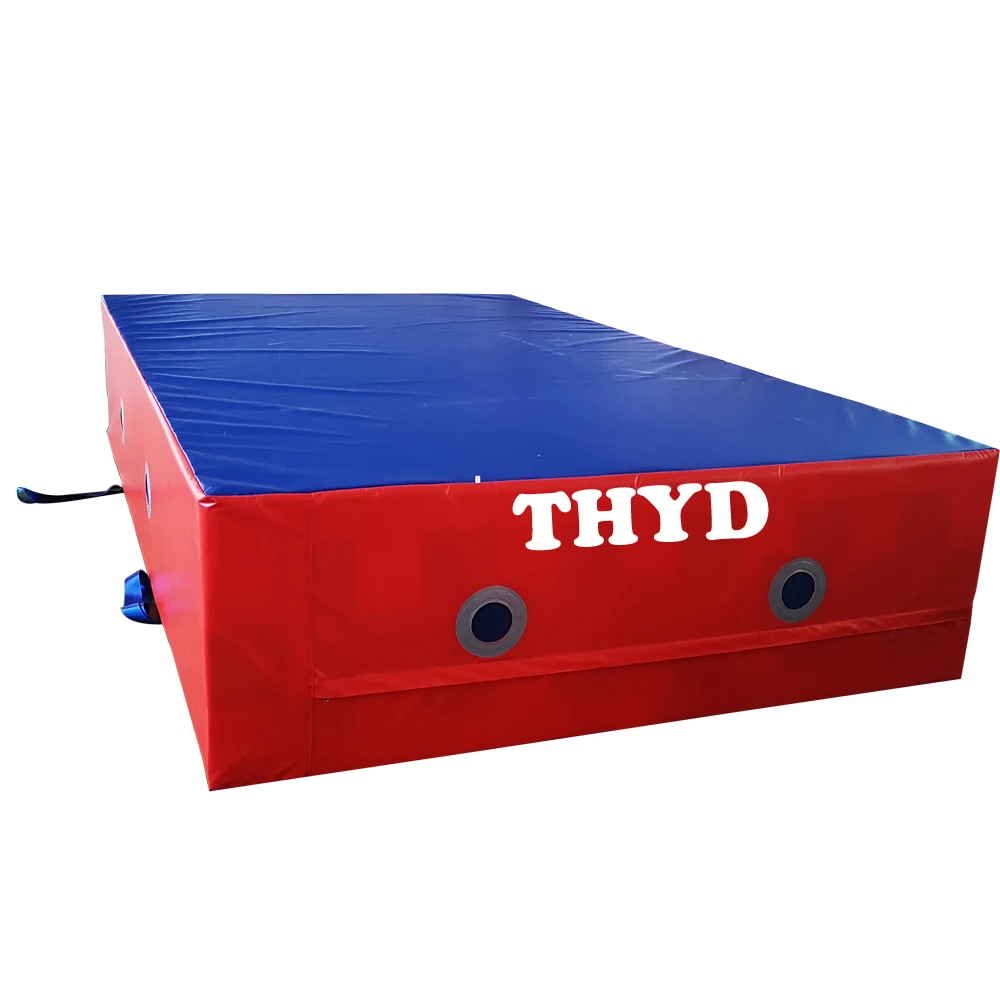
High-intensity training centers face unique challenges that differentiate their equipment needs from recreational programs or lower-volume facilities. Athletes in these environments execute hundreds of repetitions daily, often performing high-impact landings from elevated apparatus, practicing release moves, and drilling complex tumbling sequences that generate significant force upon landing. The gymnastics mat must not only absorb these impacts effectively but also maintain its structural integrity through years of demanding use while providing the sensory feedback athletes need to develop proper landing mechanics and spatial awareness. This comprehensive guide examines the critical factors that should inform your selection process, from material science considerations to facility-specific layout requirements, ensuring your investment supports both immediate training needs and long-term program growth.
Understanding Impact Absorption Requirements for High-Intensity Training
Analyzing Force Distribution Characteristics
The primary function of any gymnastics mat in high-intensity training centers is managing the kinetic energy generated during landings and dismounts. When athletes land from apparatus or complete tumbling passes, their bodies generate forces that can exceed several times their body weight, depending on the height and rotation involved. A properly selected gymnastics mat distributes these forces across a sufficient surface area and depth, converting kinetic energy into compression of the foam layers rather than transmitting shock directly to joints and skeletal structures. The foam density specifications directly influence this energy management capacity, with higher-density foams providing more resistance and support for heavier impacts while lower-density layers can offer initial cushioning for comfort.
High-intensity training centers must consider the cumulative impact loads their mats will experience. Unlike recreational facilities where individual athletes might use equipment for limited sessions, competitive training environments subject mats to continuous stress throughout extended training blocks. This repetitive compression can lead to foam breakdown, reducing the effective impact absorption capacity over time. When selecting a gymnastics mat, evaluating the foam's compression set resistance becomes critical—this property indicates how well the material returns to its original thickness after repeated compression cycles. Mats with poor compression set characteristics may feel adequate initially but lose protective capacity within months of intensive use, creating hidden safety risks that aren't immediately apparent to coaches or athletes.
Matching Mat Specifications to Training Activities
Different training activities generate distinct impact profiles that should inform your gymnastics mat selection strategy. Dismount training from uneven bars or high bar produces vertical impact forces concentrated in a relatively small landing area, requiring mats with substantial thickness and firm support layers to prevent bottoming out. Tumbling training involves more distributed impact patterns as athletes progress across the mat surface, with forces applied at various angles depending on skill complexity. Vault training combines high-velocity horizontal movement with significant vertical impact, demanding mats that can manage both shear forces and compression simultaneously without shifting or separating.
High-intensity training centers often run multiple training groups simultaneously, with different apparatus and skill levels sharing floor space throughout the day. This operational reality means your gymnastics mat selection must accommodate a range of activities rather than optimizing for a single use case. Versatile mat systems that can be configured for different training scenarios offer significant advantages in these environments. Modular designs allow coaches to adjust landing areas based on the specific drills being performed, while maintaining consistent safety standards across all configurations. When evaluating options, consider how easily mats can be repositioned, whether they require additional personnel to move safely, and whether their connectors or fastening systems maintain stability during dynamic use.
Evaluating Foam Density Specifications
Foam density represents one of the most critical specifications when selecting a gymnastics mat for high-intensity environments, yet it's often misunderstood or oversimplified in purchasing decisions. Density measures the mass of foam material per unit volume, typically expressed in pounds per cubic foot or kilograms per cubic meter. Higher density foams contain more material in the same space, providing greater structural integrity and compression resistance. For high-intensity training centers, gymnastics mat foam densities typically range from medium-firm to firm specifications, with multi-layer constructions incorporating different densities to optimize both impact absorption and training responsiveness.
The relationship between foam density and performance isn't linear—simply selecting the highest density option doesn't guarantee optimal results. Excessively firm mats can increase impact forces by reducing the distance over which deceleration occurs, potentially increasing injury risk despite appearing more durable. Conversely, mats that are too soft allow excessive compression, creating an unstable landing surface that compromises athlete control and potentially allows impact forces to reach the underlying floor. High-intensity training centers should seek gymnastics mat constructions that incorporate a graduated density profile, with softer surface layers providing initial comfort and impact mitigation, transitioning to firmer support layers that prevent complete compression and provide the stable platform necessary for explosive movements and skill repetition.
Surface Material Selection and Durability Considerations
Analyzing Cover Material Properties
The surface material of a gymnastics mat directly impacts both athlete interaction and equipment longevity in high-intensity training environments. Vinyl has become the predominant cover material for professional training mats due to its combination of durability, cleanability, and consistent friction characteristics. However, not all vinyl specifications deliver equivalent performance. The coating weight, measured in ounces per square yard, indicates the thickness and durability of the vinyl layer. High-intensity training centers should prioritize gymnastics mat options with heavier vinyl coatings, typically eighteen ounces or higher, as these specifications resist the abrasion, puncture, and tearing that inevitably occur with intensive daily use.
Beyond weight specifications, the vinyl formulation affects performance characteristics that directly impact training quality. Some vinyl compounds remain relatively rigid across temperature ranges, while others exhibit significant changes in flexibility and grip characteristics as facility temperatures fluctuate. High-intensity training centers often experience temperature variations throughout the day as athlete numbers and activity levels change, and the gymnastics mat surface should maintain consistent friction properties across these conditions. Additionally, the vinyl's resistance to chalk accumulation affects both maintenance requirements and performance consistency. Surfaces that allow chalk to embed deeply require more aggressive cleaning, potentially accelerating wear, while formulations that resist chalk penetration maintain more consistent friction characteristics between cleaning cycles.
Understanding Seam Construction and Failure Points
Seam construction represents a critical but often overlooked aspect of gymnastics mat selection for high-intensity training centers. The seams where cover material sections join experience concentrated stress during impacts, particularly near corners and edges where athletes frequently land. Inferior seam construction can lead to premature failures that compromise both mat aesthetics and structural integrity. When evaluating options, examine whether seams utilize double or triple stitching, whether thread specifications match the heavy-duty requirements of the application, and whether seam locations are strategically positioned to avoid the highest-impact zones on the mat surface.
High-quality gymnastics mat construction often incorporates reinforced corners and edges, recognizing these as the most vulnerable areas during regular use. Corner reinforcement may include additional material layers, specialized stitching patterns, or even flexible protective elements that distribute impact forces across a broader area. For high-intensity training centers, these details directly translate to equipment longevity and total cost of ownership. A gymnastics mat that costs moderately more but delivers two additional years of service life through superior seam construction represents a significantly better investment than a budget option requiring premature replacement. When comparing options, request information about warranty coverage specifically related to seam failures, as manufacturers confident in their construction quality typically offer more comprehensive protection in this area.
Evaluating Bottom Surface and Mat Stability
The bottom surface of a gymnastics mat plays an essential role in safety and performance, yet receives far less attention than top surface characteristics during selection processes. In high-intensity training environments where athletes generate significant horizontal forces during landings, mat movement can create serious hazards. The bottom surface must provide sufficient friction against the floor to resist sliding during impacts while still allowing intentional repositioning when coaches need to reconfigure training areas. Non-slip bottom materials typically utilize textured vinyl, rubberized coatings, or specialized grip patterns designed to interact with standard gymnasium flooring.
Different bottom surface treatments offer varying balances between stability during use and mobility for repositioning. Some gymnastics mat designs incorporate handles or grip points that facilitate safe movement by multiple staff members, while others remain more permanently positioned and rely entirely on bottom surface friction. High-intensity training centers should evaluate their specific operational patterns when considering these options. Facilities that frequently reconfigure training areas throughout the day may prioritize mats that can be moved efficiently by coaching staff, while those with more static layouts might emphasize maximum stability through aggressive bottom surface treatments. Additionally, consider how the bottom surface material interacts with your specific flooring—some combinations provide better friction characteristics than others, and testing or demonstration periods can reveal potential issues before committing to large equipment purchases.
Size, Thickness, and Configuration Strategies
Determining Appropriate Mat Thickness
Mat thickness represents a fundamental specification that directly influences impact absorption capacity, but the relationship between thickness and protection isn't as straightforward as many assume. For high-intensity training centers, gymnastics mat thickness typically ranges from eight inches for general training applications to twelve inches or more for specialized high-impact landing areas. The appropriate thickness depends on the maximum fall heights involved in training activities, the skill levels of athletes using the equipment, and the frequency of high-impact repetitions occurring throughout training sessions. Thicker mats provide greater energy absorption capacity, allowing for more foam compression before athletes experience bottoming out sensations or actual contact with the floor beneath.
However, excessive thickness can create training complications that compromise skill development in high-intensity programs. Very thick gymnastics mat constructions can feel unstable for skills requiring explosive takeoffs, as the surface compression during the loading phase absorbs some of the athlete's generated force. This instability becomes particularly problematic for younger or lighter athletes whose body weight doesn't compress the foam sufficiently to reach the firmer support layers. High-intensity training centers serving diverse athlete populations must balance the protection requirements of their most advanced athletes performing the highest-difficulty skills against the training effectiveness needs of developing athletes who require more responsive surfaces. Many facilities address this challenge through zone-specific mat selection, deploying thicker protective mats in designated high-impact areas while utilizing moderately thick options for general training spaces.
Planning Mat Dimensions and Coverage Areas
The dimensions of individual gymnastics mat units significantly impact both safety coverage and operational flexibility in high-intensity training centers. Standard mat sizes have emerged across the industry, with common dimensions including five feet by ten feet modules for general use and larger eight feet by twelve feet or six feet by twelve feet configurations for landing areas. Larger individual mat units reduce the number of seams in a given coverage area, minimizing potential gaps or height variations between adjacent sections. However, larger units also weigh more and require additional personnel to move safely, potentially reducing the facility's ability to reconfigure training areas efficiently throughout the day.
When selecting gymnastics mat dimensions, high-intensity training centers must consider their specific apparatus layouts and training methodologies. Dismount zones require sufficient length to accommodate the forward travel athletes experience after releasing from apparatus, with elite-level training potentially demanding fifteen to twenty feet of protective coverage extending from the apparatus. Width considerations ensure athletes landing slightly off-center still contact protective surfaces rather than exposed floor areas. For tumbling training, mat dimensions should support full pass completion without requiring athletes to contact seams during critical skill phases. Creating detailed facility layouts that map apparatus positions, required safety zones, and traffic flow patterns helps identify optimal gymnastics mat dimensions before purchasing, ensuring comprehensive coverage without unnecessary redundancy.
Exploring Modular and Connected Mat Systems
Modular gymnastics mat systems offer significant advantages for high-intensity training centers that must adapt to varying program needs, space constraints, or simultaneous training groups. These systems utilize individual mat sections that connect through hook-and-loop fasteners, interlocking edges, or specialized connector systems, allowing facilities to create custom configurations matching specific training requirements. Well-designed modular systems maintain consistent surface characteristics across connections, preventing the gaps, height variations, or instability that could compromise athlete safety or training quality. When evaluating modular options, assess how securely sections lock together under impact loads, whether connections remain stable through repeated assembly and disassembly cycles, and how easily coaches can reconfigure layouts without specialized tools or excessive time investment.
The versatility of modular gymnastics mat systems becomes particularly valuable when high-intensity training centers host competitions, clinics, or special events that require different equipment arrangements than daily training configurations. By investing in a comprehensive modular system rather than fixed-dimension mats, facilities gain the flexibility to adapt their protective coverage to evolving program needs without purchasing entirely new equipment. However, this flexibility involves trade-offs. Modular systems typically cost more per square foot than equivalent non-connected options, and the connection mechanisms represent potential failure points requiring periodic inspection and maintenance. High-intensity training centers should evaluate whether the operational flexibility justifies the additional investment based on their specific programming diversity and space utilization patterns.
Maintenance, Hygiene, and Total Cost Considerations
Establishing Cleaning and Maintenance Protocols
The intensive use patterns characteristic of high-intensity training centers accelerate the accumulation of chalk, sweat, skin cells, and environmental contaminants on gymnastics mat surfaces. Without systematic cleaning protocols, these residues compromise both hygiene and performance, creating slip hazards while fostering bacterial growth. When selecting a gymnastics mat, consider how easily the surface material can be cleaned with commercial disinfectants without degrading vinyl properties or color stability. Some vinyl formulations resist common cleaning chemicals effectively, maintaining appearance and friction characteristics through years of regular sanitation, while others may become brittle, discolored, or develop altered grip properties when exposed to aggressive cleaning agents or high-frequency sanitation routines.
Beyond surface cleaning, high-intensity training centers must consider the long-term maintenance requirements associated with different gymnastics mat constructions. Foam degradation occurs gradually through repeated compression cycles, but the rate of deterioration varies significantly based on foam quality, density specifications, and the intensity of use patterns. Regular inspection protocols should assess foam resilience by checking for permanent depressions, reduced thickness in high-impact zones, or changes in how the mat feels during landing. Cover material inspections should identify early signs of seam separation, surface abrasions, or vinyl delamination before these issues progress to actual failures. Establishing these systematic maintenance practices extends equipment life while ensuring the gymnastics mat continues providing consistent protective performance throughout its service life.
Calculating Total Cost of Ownership
Purchase price represents only one component of the total cost associated with gymnastics mat acquisition for high-intensity training centers. Comprehensive financial analysis should incorporate expected service life, maintenance requirements, cleaning supplies and labor, potential replacement schedules, and the indirect costs associated with equipment failures or injuries resulting from inadequate protective equipment. A moderately more expensive gymnastics mat that delivers seven years of reliable service in high-intensity applications represents a significantly better investment than a budget option requiring replacement after three years, even if the initial purchase price appears more attractive.
When comparing options, request detailed specifications about expected service life under high-intensity use conditions, warranty coverage including what circumstances void protection, and whether the manufacturer offers repair services for damaged units. Some premium gymnastics mat manufacturers provide foam replacement services or cover refurbishment options that can extend equipment life at a fraction of new purchase costs. These services become particularly valuable for high-intensity training centers where mats experience accelerated wear patterns. Additionally, consider the logistics costs associated with mat acquisition—shipping expenses for heavy protective equipment can represent substantial percentages of purchase prices, and some suppliers include delivery and setup services while others charge separately. Factoring these elements into total cost comparisons provides more accurate financial projections and prevents budget surprises after purchase commitments.
Evaluating Vendor Support and Documentation
The relationship with your gymnastics mat supplier extends well beyond the initial transaction, particularly for high-intensity training centers investing in comprehensive protective systems. Evaluate potential vendors based on their technical knowledge, responsiveness to questions, and willingness to provide detailed product specifications beyond basic marketing descriptions. Suppliers with deep expertise in competitive gymnastics equipment can offer valuable consultation regarding optimal configurations for your specific facility layout, training programs, and athlete populations. This guidance helps avoid costly mistakes where purchased equipment technically meets specifications but doesn't optimally serve your operational requirements.
Comprehensive documentation provides another indicator of vendor quality and product sophistication. Detailed specification sheets should include precise foam density measurements, cover material composition and weight, dimensional tolerances, and clear warranty terms. Installation or assembly instructions for modular gymnastics mat systems should be professionally produced and easy to follow. Maintenance guidelines should provide specific recommendations for cleaning products, inspection frequencies, and signs indicating the mat has reached the end of its safe service life. Vendors providing this level of documentation demonstrate commitment to proper equipment use and long-term customer relationships, while those offering minimal information may be prioritizing transaction completion over customer success. For high-intensity training centers where equipment performance directly impacts athlete safety and program quality, selecting vendors who support informed decision-making and proper equipment management delivers significant long-term value.
FAQ
What foam density should I choose for a gymnastics mat in a high-intensity training environment?
For high-intensity training centers, select gymnastics mat constructions with multi-layer foam systems incorporating medium to firm density specifications. The ideal construction typically features a top comfort layer with moderate density for initial impact absorption, transitioning to firmer support layers that prevent bottoming out and provide stable platforms for repetitive skills. Foam density should generally range from 1.8 to 2.8 pounds per cubic foot depending on layer position and intended function. Avoid single-density constructions, as they cannot optimize both impact protection and training responsiveness. Request specific density information for each layer rather than accepting general firmness descriptions, and prioritize suppliers who can provide technical documentation supporting their foam specifications.
How thick should landing mats be for dismount training from elevated apparatus?
Dismount landing areas for elevated apparatus in high-intensity training centers typically require gymnastics mat thickness of eight to twelve inches, with the specific requirement depending on apparatus height and athlete skill levels. For standard uneven bars and high bar training at competitive levels, ten to twelve inch thickness provides appropriate impact absorption capacity for the forces generated during release moves and dismounts. Thinner mats may be adequate for lower apparatus heights or developmental training but create safety risks when athletes progress to more advanced skills generating higher impact forces. Consider your facility's highest-difficulty training scenarios when establishing minimum thickness standards, and ensure foam density specifications provide adequate compression resistance to prevent bottoming out even during maximum-impact landings.
Can I use the same gymnastics mat for multiple training activities or do I need specialized mats for different apparatus?
High-intensity training centers can utilize versatile gymnastics mat designs for multiple training activities, but optimal performance often requires some specialization based on activity characteristics. General training mats with eight-inch thickness and multi-density foam construction serve adequately for tumbling training, vault landing areas, and moderate-height dismount zones. However, specialized high-impact landing mats with increased thickness and firmer support characteristics deliver better protection for elevated apparatus dismounts. Many facilities implement a tiered approach, maintaining a core inventory of versatile mats supplemented by specialized units for specific high-demand applications. This strategy balances operational flexibility with activity-specific performance optimization. When budget constraints require choosing a single specification, prioritize the requirements of your highest-impact training activities and verify that selected mats meet safety standards for all intended uses.
How do I know when a gymnastics mat needs to be replaced in a high-intensity training facility?
Several indicators signal that a gymnastics mat has reached replacement time in high-intensity training environments. Visible permanent depressions in high-impact zones indicate foam compression set failure where the material no longer returns to original thickness. Athletes reporting increased impact sensation or coaches observing changes in landing characteristics suggest reduced protective capacity even when visual signs aren't obvious. Cover material failures including seam separations, significant abrasions exposing foam, or tears that cannot be effectively repaired compromise both protection and hygiene. Systematic inspection protocols should assess these factors quarterly, with documentation tracking progressive changes over time. Most quality mats in high-intensity applications deliver five to seven years of service life, though this varies based on use intensity and maintenance quality. When multiple indicators appear simultaneously or when any single critical failure occurs, prioritize replacement to maintain athlete safety and training quality.
Table of Contents
- Understanding Impact Absorption Requirements for High-Intensity Training
- Surface Material Selection and Durability Considerations
- Size, Thickness, and Configuration Strategies
- Maintenance, Hygiene, and Total Cost Considerations
-
FAQ
- What foam density should I choose for a gymnastics mat in a high-intensity training environment?
- How thick should landing mats be for dismount training from elevated apparatus?
- Can I use the same gymnastics mat for multiple training activities or do I need specialized mats for different apparatus?
- How do I know when a gymnastics mat needs to be replaced in a high-intensity training facility?