 EN
EN


Rhythmic gymnastics stands apart from other gymnastic disciplines through its unique blend of dance, athleticism, and apparatus manipulation, creating distinct equipment requirements and specialized training methodologies. Unlike artistic gymnastics which focuses on strength-based routines on fixed apparatus, rhythmic gymnastics emphasizes grace, flexibility, and coordination with handheld equipment, demanding an entirely different approach to athlete development and facility preparation.
The distinctive nature of rhythmic gymnastics creates specific demands that set it apart from traditional gymnastics programs, requiring coaches, athletes, and facilities to understand these fundamental differences to develop effective training systems. From the delicate handling of ribbons and clubs to the precise coordination needed for rope routines, every aspect of rhythmic gymnastics training reflects its unique character and specialized requirements.
Essential Equipment Distinctions in Rhythmic Gymnastics
Handheld Apparatus Requirements
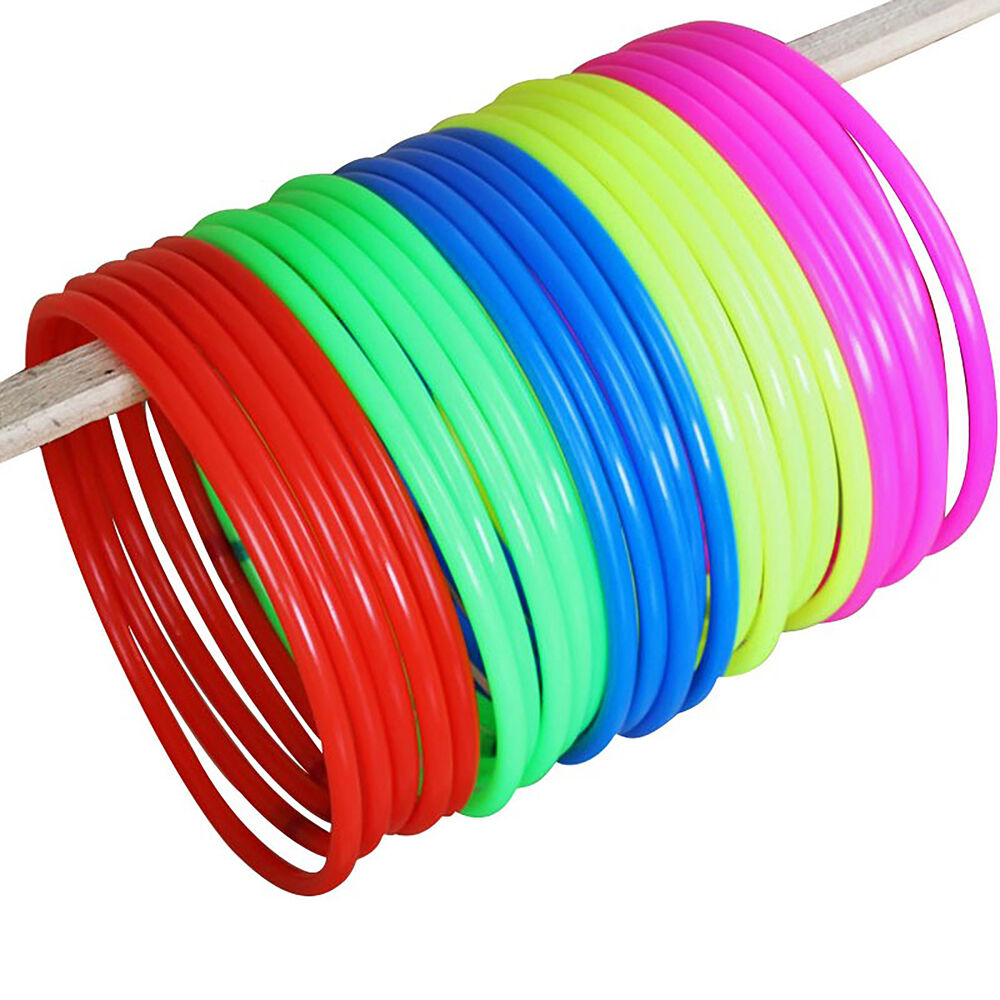
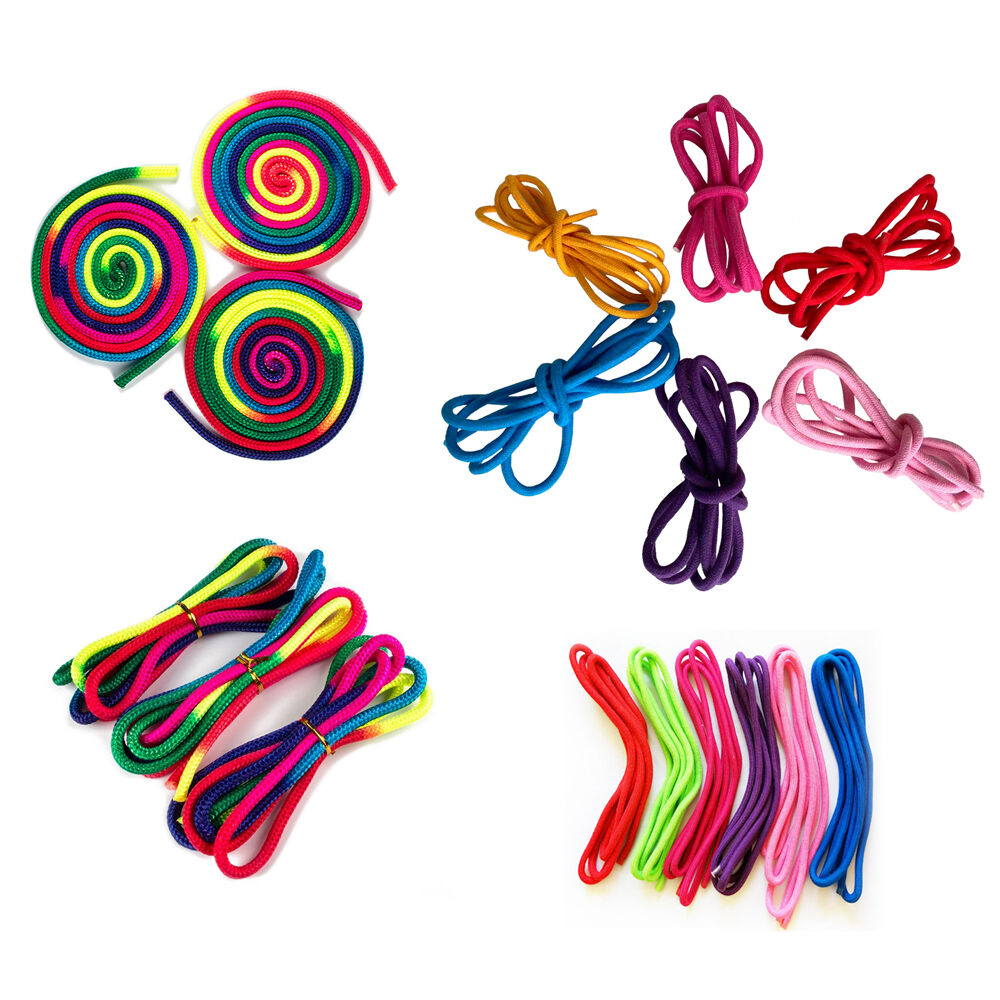
Rhythmic gymnastics centers around five primary pieces of handheld equipment, each requiring specific technical specifications and maintenance considerations. The rope, measuring between 2.5 to 3 meters depending on the gymnast's height, must be made of hemp or synthetic material with precise weight distribution. Hoops, constructed from wood or plastic, require a diameter that reaches the gymnast's hip when standing upright, while balls must meet exact weight and bounce specifications set by international governing bodies.
Clubs represent perhaps the most technically demanding apparatus in rhythmic gymnastics, requiring precise balance points and weight distribution for successful manipulation. Each club must weigh a minimum of 150 grams and feature specific head and neck proportions to ensure proper flight patterns during throws and catches. Ribbons, measuring six meters in length and crafted from satin or similar material, demand careful storage and handling to prevent tangles and maintain their flowing properties during routines.
Performance Surface and Space Requirements
The rhythmic gymnastics competition floor differs significantly from artistic gymnastics equipment, requiring a 13x13 meter carpeted area with specific cushioning properties. This surface must provide adequate grip for dance elements while allowing smooth gliding for certain movements, creating unique installation and maintenance requirements. The ceiling height requirements also exceed those of most gymnastics facilities, needing minimum clearances of 8-10 meters to accommodate high ribbon and rope throws.
Training spaces for rhythmic gymnastics must accommodate the full range of apparatus movement without obstruction, requiring significantly more open floor space than traditional gymnastics training areas. The flooring material must balance durability with appropriate cushioning, as gymnasts perform extensive dance and leap sequences that demand both protection and performance characteristics. Mirror placement becomes crucial for apparatus work, requiring strategic positioning to help athletes monitor their equipment manipulation while maintaining spatial awareness.
Safety and Training Support Equipment
Safety equipment in rhythmic gymnastics focuses on injury prevention during apparatus training rather than fall protection from height. Specialized mats for flexibility training, resistance bands for strength development, and body alignment tools become essential components of a comprehensive training program. Training harnesses and support systems help athletes develop complex throwing and catching skills safely while building confidence with apparatus manipulation.
The storage and organization systems for rhythmic gymnastics equipment require careful consideration, as apparatus can be easily damaged if improperly handled. Custom storage solutions protect ribbons from tangling, maintain club balance integrity, and preserve ball surface quality, ensuring equipment longevity and consistent performance characteristics throughout training cycles.
Specialized Training Methodologies and Focus Areas
Flexibility and Body Conditioning Protocols
Training programs in rhythmic gymnastics emphasize extreme flexibility development through systematic stretching protocols that far exceed requirements in other gymnastics disciplines. Daily flexibility sessions often consume 30-40% of total training time, focusing on achieving splits beyond 180 degrees, backbends with hand-to-foot contact, and spine articulation that allows for seamless wave movements throughout the body.
The conditioning approach in rhythmic gymnastics prioritizes lean muscle development and endurance over raw strength, requiring specialized exercise selections and training volumes. Athletes develop specific muscle memory for maintaining perfect posture while manipulating apparatus, demanding core stability training that supports both dance elements and equipment control simultaneously. Balance training incorporates apparatus manipulation from the earliest stages, creating multi-tasking abilities that distinguish rhythmic gymnastics from other sports.
Apparatus Manipulation Skill Development
Each apparatus in rhythmic gymnastics requires distinct motor skill development patterns, with training progressions that build from basic handling to complex throwing and catching sequences. Rope training begins with simple rotations and jumping patterns before advancing to coordinated throws, wraps, and releases that demand precise timing and spatial awareness. Ball training focuses on rolling, throwing, and catching while maintaining body position and dance quality throughout the sequence.
Club manipulation training presents unique coordination challenges, as athletes must control two objects simultaneously while performing complex body movements. The training progression includes individual club work, coordinated dual club patterns, and eventually integration with jumps, turns, and flexibility elements. Ribbon work requires understanding of physics principles governing fabric movement, with training focused on creating shapes, spirals, and patterns while maintaining continuous motion and avoiding knots or tangles.
Dance and Artistic Expression Integration
The dance component of rhythmic gymnastics training requires extensive study of ballet technique, modern dance principles, and folkloric movement styles that inform routine choreography. Athletes spend significant training time on pure dance elements without apparatus, developing the artistic foundation that distinguishes rhythmic gymnastics performances from purely athletic demonstrations.
Musical interpretation becomes a critical training element, as athletes must synchronize apparatus manipulation with complex musical compositions while maintaining artistic expression. This requires developing sophisticated listening skills, rhythmic sensitivity, and the ability to project character and emotion while executing demanding physical skills. The integration of music, movement, and apparatus manipulation creates training demands that are unique within the gymnastics family.
Age-Specific Training Adaptations and Progression
Early Development Phase Considerations
Young athletes beginning rhythmic gymnastics training require modified equipment sizes and specialized progression sequences that accommodate developing motor skills and physical capabilities. Initial apparatus introduction uses scaled-down versions that match hand size and strength capabilities, allowing proper technique development without overwhelming young athletes with adult-sized equipment demands.
The training volume and intensity for developing rhythmic gymnasts must balance skill acquisition with physical development needs, emphasizing play-based learning approaches that maintain engagement while building fundamental movement patterns. Flexibility development begins early but progresses gradually, respecting growth patterns and avoiding forced stretching that could compromise long-term athletic development.
Elite Level Training Intensification
Elite rhythmic gymnastics training programs require 20-30 hours per week of focused practice time, significantly exceeding recreational gymnastics commitments and demanding comprehensive lifestyle adaptations. The training schedule must accommodate apparatus-specific sessions, dance development time, flexibility maintenance, and competitive routine preparation, creating complex scheduling requirements for athletes and families.
Competition preparation in rhythmic gymnastics involves detailed routine polishing that integrates technical apparatus skills with artistic presentation, requiring video analysis, musical collaboration, and costume coordination that extends beyond traditional gymnastics preparation. The precision required for successful apparatus manipulation under competitive pressure demands extensive repetition and mental preparation specific to rhythmic gymnastics performance demands.
Facility Design and Environmental Considerations
Space Planning and Layout Requirements
Designing facilities for rhythmic gymnastics requires understanding the unique space demands created by apparatus work and the need for unobstructed movement patterns. The primary training area must accommodate full routine run-throughs without interference from structural elements, equipment storage, or other training activities, demanding larger clear spaces than most traditional gymnastics layouts provide.
Ceiling height considerations become critical for ribbon and rope work, requiring facilities to plan for apparatus throws that may reach 8-10 meters above floor level. Lighting design must eliminate shadows that could interfere with apparatus tracking while providing adequate illumination for video analysis and performance evaluation. Ventilation systems must account for the increased air movement created by ribbon work and the extended training sessions common in rhythmic gymnastics programs.
Environmental Controls and Atmosphere
The training environment for rhythmic gymnastics must support both athletic performance and artistic development, requiring attention to acoustics, temperature control, and visual aesthetics that enhance the sport's artistic nature. Sound systems capable of handling complex musical compositions become essential equipment, as routine development requires high-quality audio reproduction for proper musical interpretation.
Temperature and humidity control takes on added importance due to the extended flexibility training sessions and the sensitivity of certain apparatus materials to environmental conditions. Ribbon materials can become stiff or overly flexible based on humidity levels, while ball surfaces may lose grip properties under certain atmospheric conditions, making environmental consistency crucial for training quality and athlete safety.
FAQ
What makes rhythmic gymnastics equipment different from artistic gymnastics apparatus?
Rhythmic gymnastics uses handheld apparatus including rope, hoop, ball, clubs, and ribbon, while artistic gymnastics employs fixed equipment like bars, beam, vault, and rings. The rhythmic gymnastics equipment requires manipulation skills and must meet specific weight, size, and material standards set by international governing bodies, creating entirely different training and storage requirements.
How much training time does rhythmic gymnastics require compared to other gymnastics disciplines?
Competitive rhythmic gymnastics typically requires 15-30 hours per week depending on level, with elite athletes training 6 days per week. This exceeds most recreational gymnastics programs due to the need for apparatus skill development, extensive flexibility training, dance instruction, and routine preparation time that integrates all these elements together.
Can rhythmic gymnastics training be done in a regular gymnastics facility?
While possible, rhythmic gymnastics training is most effective in specialized facilities with adequate ceiling height, open floor space, and appropriate storage for apparatus. Standard gymnastics facilities may lack the 13x13 meter clear area needed for routine practice and the ceiling height required for ribbon and rope throws, limiting training effectiveness.
What age should athletes start rhythmic gymnastics training?
Athletes can begin rhythmic gymnastics as early as age 4-6 with modified equipment and play-based approaches, though serious competitive training typically begins around ages 7-9. Early introduction focuses on basic movement patterns, flexibility development, and apparatus familiarization rather than complex skill requirements that come with advancing levels.
Table of Contents
- Essential Equipment Distinctions in Rhythmic Gymnastics
- Specialized Training Methodologies and Focus Areas
- Age-Specific Training Adaptations and Progression
- Facility Design and Environmental Considerations
-
FAQ
- What makes rhythmic gymnastics equipment different from artistic gymnastics apparatus?
- How much training time does rhythmic gymnastics require compared to other gymnastics disciplines?
- Can rhythmic gymnastics training be done in a regular gymnastics facility?
- What age should athletes start rhythmic gymnastics training?