 EN
EN


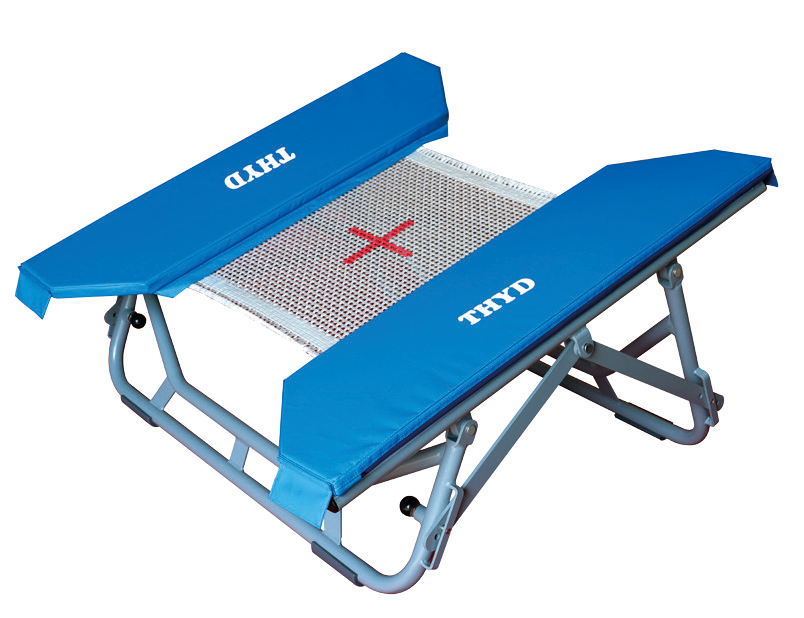
Antrenman ekipmanlarıyla tesislerini donatmayı amaçlayan spor salonu sahipleri, performans ile koruma dengesini sağlayan ekipman seçerken kritik bir soruyla karşı karşıyadır: Gerçekten güvenlik standartlarını karşılayan bir atlama tahtası nereden temin edilebilir? Bu soru, ürünün mevcudiyetiyle sınırlı kalmaz; aynı zamanda tesis yönetiminin, sporcuların beceri gelişimini destekleyen ancak yaralanma riskini en aza indiren araçlar sağlamaya yönelik temel sorumluluğuna da işaret eder. Atlama tahtası, jimnastik antrenmanında vazgeçilmez bir ekipman olup, atlayışlar, yuvarlanma girişleri ve çeşitli akrobatik hareketler için kalkış platformu işlevi görür. Bütçe kısıtlamalarıyla sporculara yönelik bakım görevini dengelemek zorunda olan spor salonu sahipleri için, sertifikalı üretim önceliği veren, uluslararası güvenlik protokollerine uyan ve şeffaf belgelendirme sağlayan bir tedarikçi seçimi büyük önem taşır.
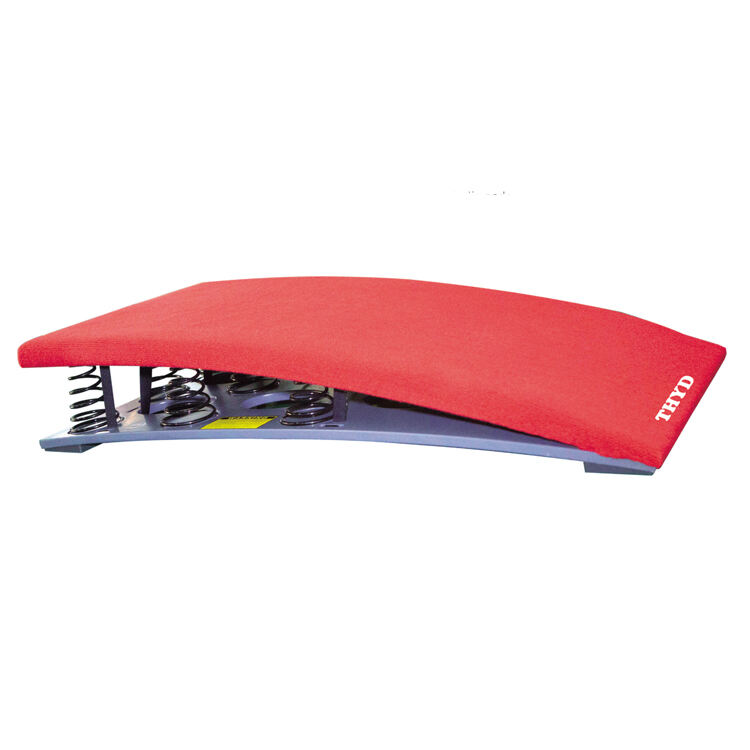
Güvenilir kaynaklardan güvenlik uyumlu atlama tahtası ekipmanı belirleme süreci, salon sahiplerinin üreticiler, dağıtıcılar, özel perakendeciler ve doğrudan ithalatçılar gibi karmaşık bir ortamda hareket etmesini gerektirir. Her bir tedarik kanalı, sertifika doğrulaması, garanti desteği, özelleştirme seçenekleri ve uzun vadeli bakım ortaklıkları açısından farklı avantajlar ve potansiyel zorluklar sunar. Nerede aranacağı, hangi yetkinliklerin doğrulanacağı ve güvenlik iddialarının geçerliliğinin nasıl değerlendirileceğinin anlaşılması, başlangıçta basit görünen bir satın alma kararını, tesisin itibarı ve sporcuların refahı açısından stratejik bir yatırım haline getirir. Bu kapsamlı kılavuz, salon sahiplerinin kullanabileceği çeşitli tedarik kanallarını, en çok dikkat edilmesi gereken güvenlik standartlarını, uyumlu ekipmanı düşük kaliteli alternatiflerden ayıran doğrulama süreçlerini ve hem anlık satın alma kararlarını hem de uzun vadeli ekipman performansını etkileyen pratik hususları incelemektedir.
Sprinkler Güvenlik Standartları ve Sertifikasyon Gereksinimlerinin Anlaşılması
Sprinkler Üretimini Düzenleyen Uluslararası Düzenleyici Çerçeveler
Jimnastik atlama tahtası ekipmanları için güvenlik standartları, Uluslararası Jimnastik Federasyonu (FIG) gibi çok sayıda düzenleme kuruluşundan kaynaklanmaktadır; FIG, yarışma amaçlı cihazlar için en yaygın olarak tanınan teknik özelliklerini belirlemiştir. FIG standartları, yapısal bütünlük, yüzey sürtünme özellikleri, yay gerilimi tutarlılığı, boyutsal toleranslar ve antrenman ile yarışma sırasında sporcuların güvenliğini doğrudan etkileyen geri dönüş (rebound) karakteristikleri gibi konuları ele almaktadır. Bir atlama tahtası satın almak isteyen jimnastik salonu sahipleri, üreticilerin FIG sertifikasyonu iddiasında bulunup bulunmadığını doğrulamalı ve akredite laboratuvarlar tarafından gerçekleştirilen uyumluluk testlerine dair belgeleri talep etmelidir. FIG gereksinimlerinin ötesinde, Avrupa EN standartları ve Amerikan ASTM spesifikasyonları gibi bölgesel standartlar da saygın üreticilerin tasarım ve üretim süreçlerine dahil ettiği ek güvenlik kriterleri sağlamaktadır.
Uygun bir atlama tahtası için sertifikasyon süreci, tekrarlayan yükleme döngüleri altında malzeme dayanıklılığını, uzun süreli kullanım süresince yüzey aşınma direncini ve değişen çevresel koşullar boyunca yapısal kararlılığı değerlendiren katı test protokolleri içerir. Güvenlik standartlarına bağlı kalan üreticiler, atlama tahtası modellerini binlerce sporcu darbesini simüle eden düşme testlerine tabi tutar, tutarlı enerji geri dönüşünü sağlamak amacıyla yay deformasyon oranlarını ölçer ve tüm sabitleme sistemlerinin normal işletme kuvvetlerini aşan stres yükleri altında bütünlüğünü koruduğunu doğrular. Spor salonu sahipleri, gerçek anlamda bir sertifikasyonun basit iddia beyanlarından öteye geçtiğini ve üreticilerin test raporları, sertifika numaraları ile sürekli uyumluluğu gösteren ve tek seferlik onaydan ziyade devam eden kalite güvencesi belgelerini sağlamasını gerektirdiğini fark etmelidir.
Güvenlik Uyumlu Atlama Tahtası İnşasını Belirleyen Malzeme Özellikleri
Bir güvenlik uyumlu trambolinin kullanılan inşaat malzemeleri, doğrudan ürünün ömrünü, performans tutarlılığını ve yaralanma önleme özelliklerini belirler. Yüksek kaliteli trambolin modelleri, tekrarlayan yüksek darbe kuvvetlerine maruz kaldıklarında bile bükülme, çatlama ve katman ayrılması gibi sorunları önlemek için laminat sert ağaç çekirdekleri veya mühendislikle geliştirilmiş kompozit malzemeler kullanır. Yüzey kaplaması, kalkış sırasında kaymayı önlemek için yeterli sürtünme sağlamalı; ancak doğru teknik uygulaması için ayak kaymalarının kontrollü olarak gerçekleşmesine izin vermelidir. Güvenlik standartlarını karşılayan üreticiler genellikle nem etkisi, tebeşir birikimi ve çoklu antrenman oturumları boyunca yoğun günlük kullanım altında bile tutunma özelliklerini koruyan özel halı malzemeleri veya lastikleştirilmiş yüzeyler kullanır.
Yay mekanizması, herhangi bir yaylı trambolin tasarımında en kritik güvenlik bileşeni olarak kabul edilir; çünkü uygun olmayan yay seçimi veya montajı, yaralanma riskini artıran öngörülemeyen geri dönüş özelliklerine neden olur. Güvenlik standartlarına uygun trambolin modelleri, tutarlı gerilim değerlerine sahip hassas üretimle üretilmiş yaylar, korozyona dirençli kaplamalar ve kullanım sırasında yan kaymayı veya kopmayı önleyen güvenilir sabitleme sistemleri içerir. Yayların sayısı, yerleşim düzeni ve gerilim ayarı için kullanılan mekanizma, bir trambolinin güvenli eğitim ilerlemesi için gerekli olan güvenilir performans özelliklerini sunup sunmadığını belirler. Spor salonu sahipleri, tedarikçilerin yay malzemeleri, gerilim aralıkları ve değiştirme aralıkları hakkında ayrıntılı teknik özellikleri sağlamalarını, yalnızca başlangıçta uyumluluk değil, aynı zamanda sürekli güvenlik performansına yönelik bağlılıklarının göstergesi olarak değerlendirmelidir.
Sertifikalı Ekipmanlar İçin Belgelendirme ve İzlenebilirlik Gereksinimleri
Güvenlik uyumlu trambolin ekipmanlarının yasal tedarikçileri, antrenman salonu sahiplerinin sertifikasyon iddialarını doğrulamasına ve sigorta ile sorumluluk amaçları için uyum kayıtlarını sürdürmesine olanak tanıyan kapsamlı belgeler sağlar. Bu belgeler, belirli test laboratuvarlarına bağlı sertifikasyon numaralarını, ürün geri çağırma durumunda izlenebilirliği sağlayan üretim partisi tanımlayıcılarını, doğru kurulum prosedürlerini belirten kurulum kılavuzlarını ve devam eden güvenli çalışmayı sağlamak amacıyla denetim gereksinimlerini açıklayan bakım programlarını içermelidir. Detaylı belgelerin bulunmaması, pazarlama iddialarından bağımsız olarak ekipmanın reklam edilen güvenlik standartlarını karşılamadığına dair önemli bir uyarı işaretidir.
Spor salonu sahipleri, tesislerindeki her bir trambolinin işletme ömrü boyunca sertifikasyon kayıtlarını, bakım kayıtlarını ve denetim raporlarını koruyan belgelendirme protokolleri oluşturmalıdır. Bu izlenebilirlik, sorumluluk durumlarında özenli hareket edildiğinin kanıtlanması açısından değil; aynı zamanda ekipmanın değiştirilmesi gereken zamanı gösteren performans düşüşü desenlerini belirlemek açısından da hayati öneme sahiptir. Saygın trambolin tedarikçileri, bu belgelendirme gereksinimini, sertifikasyon güncellemelerine dijital erişim sağlayarak, yedek parça izlenebilirliği sunarak ve yetkili dağıtım ağları aracılığıyla satın alınan ekipmanın orijinalliğini doğrulayabilen müşteri hizmetleri kanallarını sürdürerek destekler.
Güvenlik Sertifikalı Trambolin Ekipmanı İçin Birincil Tedarik Kanalları
Uzmanlaşmış Jimnastik Ekipmanı Üreticileri ve Doğrudan Satın Alma Seçenekleri
Kurulu firmalarla doğrudan iş birliği jimnastik ekipmanı üreticiler, doğrulanmış güvenlik standartlarını karşılayan sıçrama tahtası cihazları arayan spor salonu sahipleri için en güvenilir tedarik kanalını temsil eder. Jimnastik ekipmanlarına özel odaklanan üreticiler genellikle uluslararası standartlara uyum sağlamakla görevli özel mühendislik takımlarına sahiptir, kalite kontrolü sağlanmış üretim tesislerinde faaliyet gösterir ve kurumsal itibarlarıyla desteklenen garanti hizmetleri sunar. Spor salonu sahipleri bir salto tahtası ürünü doğrudan üreticilerden satın aldıklarında, özelleştirme seçeneklerine, teknik danışmanlık hizmetlerine ve ekipmanın düzenli uyumluluk denetimlerine tabi tutulan tesislerden geldiğine dair güvenceye erişim sağlar.
Doğrudan üretici ilişkisi, ayrıca yayın tahtası yatırımlarının işletme ömrünü uzatan ekipman bakımı, yedek parça temini ve teknik sorun giderme konularında sürekli destek sağlamayı kolaylaştırır. Jimnastik sektöründe yerleşik itibara sahip üreticiler genellikle salon sahiplerinin uygun yayın tahtası miktarlarını, yerleştirme düzenlemelerini ve bütüncül bir antrenman ortamı oluşturacak tamamlayıcı ekipman seçimlerini belirlemelerine yardımcı olan tesis planlama hizmetleri sunar. Üreticilerden doğrudan satın alma yapılırken ana dikkat edilmesi gereken hususlar, minimum sipariş miktarları ve teslim süreleridir; çünkü üretim programları özel özelliklere sahip ürünler veya büyük tesis siparişleri için önceden planlama gerektirebilir.
Yetkili Dağıtıcılar ve Bölgesel Ekipman Tedarikçileri
Yetkili dağıtım şirketleri, üretici güvenilirliğini bölgesel erişilebilirlikle birleştiren ara kaynak kanalları olarak hizmet verir; bu da spor salonu sahiplerine yerel stok avantajı, daha düşük nakliye maliyetleri ve kurulum hizmeti sağlayıcılarıyla kurulmuş ilişkiler sunar. Saygın dağıtım şirketleri, tanınmış yaylı platform üreticileriyle resmi yetkilendirme anlaşmaları sürdürür ve böylece kendi kanalları aracılığıyla satılan ekipmanların orijinal sertifikasyon belgeleri ile üretici garanti desteğiyle birlikte sunulmasını sağlar. Bu tedarik yaklaşımı, doğrudan üreticiyle iş birliği kurmanın karmaşık uluslararası nakliye lojistiği veya tesis faaliyet programlarını aksatan uzun teslimat süreleri gerektirdiği bölgelerde faaliyet gösteren spor salonu sahipleri için özellikle değerlidir.
Dağıtıcı kaynak seçeneğini değerlendirirken, salon sahipleri, belirli yaylı tahta üreticileriyle resmi ilişkilerini kanıtlayan belgeleri talep ederek yetkilendirme durumlarını doğrulamalıdır. Meşru dağıtımcılar bu doğrulamayı gönüllü olarak sağlar ve ekipman özellikleri veya güvenlik uyumluluğu ayrıntıları hakkında teknik sorular ortaya çıktığında üreticilerle doğrudan iletişime geçmeyi kolaylaştırabilir. Dağıtıcı kanalı, aynı zamanda salon sahiplerinin tesis genişletmeleri veya zaman içinde ekipman güncellemeleri planlamaları durumunda avantaj sağlar; çünkü bölgesel tedarikçilerle kurulan ilişkiler, cihazların birbirleriyle uyumlu kalmasını ve antrenman alanlarında estetik bir bütünlüğün korunmasını sağlayan tutarlı ekipman teminini mümkün kılar.
Çevrimiçi Pazar Yerleri ve Dijital Tedarik Platformları
Dijital satın alma platformları, salon sahipleri için tedarik seçeneklerini genişletmiştir; ancak bu kanal, güvenlik sertifikasyonu doğrulaması açısından daha dikkatli bir inceleme gerektirmektedir. Kurulu sanayi ekipmanı tedarikçileri veya uzman spor aletleri perakendecileri tarafından işletilen saygın çevrimiçi pazar yerleri, özellikle satıcı doğrulama süreçleri uygulayan ve sıkı ürün listeleme gereksinimleri belirleyen platformlarda, sertifikalı trambolin ekipmanlarına yasal erişim imkânı sunabilir. Çevrimiçi kaynaklardan yararlanan salon sahipleri, satın almayı nihai hâle getirmeden önce ayrıntılı belgeleri talep ederek sertifikasyon iddialarını bağımsız olarak doğrulamak zorundadır; çünkü dijital pazar ortamı, yanıltıcı ürün açıklamaları aracılığıyla uygun olmayan ekipmanın bilinçsiz alıcılar tarafından satın alınmasına olanak tanımaktadır.
Çevrimiçi tedariklemenin avantajları arasında, birden fazla tedarikçi arasında karşılaştırmalı alışveriş yapmayı sağlayan fiyat şeffaflığı; uzun vadeli ekipman performansı hakkında içgörüler sunan müşteri yorumlarına erişim; ve özel ekipman perakendecilerine sınırlı erişimi olan uzak bölgelerdeki spor salonu sahipleri için kolaylık bulunur. Ancak bu avantajlar, spor salonu sahiplerinin çevrimiçi satıcılardan gelen ürünleri doğrulamak amacıyla artan bir özen gösterme sorumluluğuyla birlikte gelir: Satıcıların geçerli sertifikasyon belgelerini sağlamalarını, garanti taahhütlerini yerine getirmelerini ve uygun olmayan veya kusurlu yaylı platform ekipmanları alındığında alıcıları koruyan iade politikalarını sürdürmelerini doğrulamaları gerekir. Satın alma işleminden önce satıcılarla iletişim kurmak, sertifikasyon etiketleri ve belgelerine ait ayrıntılı fotoğraflar talep etmek ile iş güvenilirliğini bağımsız araştırmalarla doğrulamak, çevrimiçi ekipman tedarikine bağlı olarak artan riskleri azaltmaya yardımcı olur.
Yaylı Platform Güvenliği Uygunluğunun Değerlendirilmesi İçin Doğrulama Süreçleri
Satın Alma Öncesi Sertifikasyon Doğrulaması Yapma
Herhangi bir atlama tahtası satın alımına karar vermeden önce, salon sahipleri güvenlik uyumluluğu iddialarının belgelendirilmiş sertifikasyon gerçekliğiyle örtüştüğünü doğrulayan prosedürler uygulamalıdır. Bu süreç, uyumluluk değerlendirmelerini yürüten test laboratuvarlarının isimleri ile belirli sertifikasyon numaralarının talep edilmesiyle başlar; ardından bu sertifikasyon kuruluşlarıyla doğrudan iletişime geçilerek bağımsız bir doğrulama yapılır. Meşru üreticiler ve dağıtıcılar bu tür doğrulama taleplerini önceden bekler ve test raporları, sertifikaların taranmış kopyaları ile yetkili kuruluşların iletişim bilgilerini içeren tam belge paketleri sağlayarak süreci kolaylaştırır.
Spor salonu sahipleri, yayın platformu sertifikasyon belgelerinin, güvenlik standartlarının gelişmesi ve eski sertifikaların iptal edilmiş spesifikasyonlara atıfta bulunması nedeniyle makul zaman aralıkları içinde test tarihlerini içerdiğinden özellikle emin olmalıdır. Doğrulama süreci ayrıca, sertifikasyonun satın alınan yayın platformu modeline özel olarak uygulanmasını onaylamalıdır; bu, ürün çizgilerinin tamamını kapsamayan genel bir üretici sertifikası olmamalıdır. Tedarikçiler, ayrıntılı sertifikasyon belgelerini sağlamaktan kaçındığında veya doğrulama taleplerine karşı belirsiz yanıtlar verdiğinde, spor salonu sahipleri bu davranışları alternatif tedarik seçeneklerini değerlendirmeyi gerektiren önemli uyarı işaretleri olarak yorumlamalıdır.
Ekipman Teslimatı Üzerinde Fiziksel Denetim Protokolleri
Yeni trambolin ekipmanlarının varışı, salon sahiplerinin ekipmanı antrenman operasyonlarına entegre etmeden önce tamamlamaları gereken kritik denetim prosedürlerini tetikler. Fiziksel denetim, teslim edilen ekipmanın satın alma belgelerinde belirtilen özelliklerle (boyut ölçümleri, yay sayısı, yüzey malzemeleri ve güvenlik uyumlu tasarımı tanımlayan yapısal detaylar) eşleştiğinin doğrulanmasıyla başlar. Bu denetim, sporcular ekipmanı kullanmaya başlamadan önce tedarikçilerle hemen çözülmesi gereken nakliye hasarlarını, imalat kusurlarını veya yapılandırma tutarsızlıklarını tespit etmelidir.
Atlama tahtası yüzeyinin ayrıntılı bir şekilde incelenmesi sürtünme özelliklerini, kaplama malzemelerinin güvenli bir şekilde yapıştırılmasını ve yaklaşım ve kalkış sırasında sporcunun ayak durumunu etkileyebilecek düzensizliklerin bulunmamasını değerlendirmelidir. Bahçe mekanizması özel bir dikkat gerektirir ve müfettişler tüm bahçelerin tutarlı bir gerilimi, güvenli montajı ve bağlanma veya yan hareketsiz sorunsuz çalışmasını doğrular. Çerçeve, ayarlama mekanizmaları ve bağlantı noktaları dahil olmak üzere yapısal bileşenler, boşluklar, gevşek bağlayıcılar veya bütünlüğünü tehlikeye atan malzeme kusurlarının belirtileri olmadan sağlam bir yapı göstermelidir. Spor salonu sahipleri, denetim bulgularını, gelecek bakım referansı için temel koşulları belirleyen ve ilk uyum doğrulama kanıtını sağlayan fotoğraflar ve yazılı raporlar yoluyla belgelemelidir.
Sürekli Uygunluk İzleme ve Bakım Belgeleri
Güvenlik uyumluluğu, başlangıçtaki ekipman doğrulamasını aşarak, atlama tahtası aparatının işletme ömrü boyunca performans özelliklerini korumasını sağlamak amacıyla yürütülen sürekli izleme programlarını da kapsar. Spor salonu sahipleri, üretici önerilerine ve tesisin kullanım yoğunluğuna uygun denetim programları oluşturmak zorundadır; bu genellikle antrenman oturumlarından önce günlük görsel kontroller ile yapısal bütünlük, yay fonksiyonu ve yüzey durumu değerlendirmelerini içeren kapsamlı aylık değerlendirmeleri içerir. Bu denetimlerin belgelendirilmesi, tesisin sporcu güvenliğine bağlılığını gösteren uyumluluk kayıtları oluşturur ve sigorta ve sorumluluk amaçları için doğru ekipman bakımı konusunda kanıt sağlar.
Devam eden uyumluluk programı, yaylı tahta performansındaki bozulmanın profesyonel bakım veya ekipman değişimi gerektirdiğini belirlemek için protokoller içermelidir. Uyarı işaretleri arasında geri tepme özelliklerindeki değişimler, kullanım sırasında duyulan alışılmadık sesler, kabul edilebilir sınırları aşan görünür yüzey aşınmaları, yay gerginliğindeki tutarsızlıklar veya sabitleyici elemanların gevşemesini gösteren yapısal hareketler yer alır. Yaylı tahta cihazlarının, belirlenen hizmet ömrü boyunca güvenlik parametreleri içinde çalışmasını sağlamak amacıyla, profesyonel bakım, yeniden sertifikasyon hizmetleri ve yetkili onarımlar gerçekleştirebilen nitelikli ekipman teknisyenleriyle ilişkiler kurulması, salon sahiplerinin bu uzmanlığa erişimini sürdürmesini sağlar.
Yaylı Tahta Tedarik Kararlarını Etkileyen Pratik Hususlar
Güvenlik Standartlarını Zedelemeksizin Bütçe Yönetimi
Spor salonu sahipleri, trambolin ekipmanları satın alırken maliyet unsurları ile uyum gereksinimleri arasında gerilim yaratan, güvenliğe yönelik ödün verilmeyen standartları korurken ekipman bütçelerini yönetme konusunda sürekli baskı altındadır. Bu zorluk, sporcu korumasını riske atmayan alanları belirlerken aynı zamanda güvenlik açısından kritik özellikleri önceliklendiren stratejik yaklaşımlar gerektirir. Trambolin ekipmanlarındaki fiyat bileşenlerini anlamak, spor salonu sahiplerinin kullanışlılığı veya estetiği artıran premium özellikler ile doğrudan güvenlik uyumunu ve uzun ömürlülüğü etkileyen temel özellikler arasındaki farkı ayırt etmelerine yardımcı olur.
Maliyet açısından verimli tedarik stratejileri arasında, dağıtıcı kar marjlarını ortadan kaldırmak için üreticilerden doğrudan satın almak; hacim bazlı fiyat avantajı elde etmek amacıyla diğer tesislerle satın alma işlemlerini koordine etmek; ve üretici promosyon dönemleri veya envanter temizleme dönemleriyle satın alma zamanlamasını eşleştirmek yer alır. Ancak antrenman salonu sahipleri, daha düşük satın alma fiyatları elde etmek amacıyla sertifikalı yay mekanizmaları, uyumlu yüzey malzemeleri veya belgelendirilmiş test prosedürleri gibi temel güvenlik özelliklerinden ödün verme eğilimine direnmelidir. Sporcu yaralanmaları, sorumluluk iddiaları ve erken dönem ekipman yenilemesi ile ilişkili uzun vadeli maliyetler, kurumsal güvenlik standartlarını karşılamayan ve düşük kaliteli bir atlama tahtası cihazının satın alınması yoluyla sağlanan kısa vadeli tasarrufları çoktan aşıp geçer.
Garanti Kapsamı ve Satın Alma Sonrası Destek Konuları
Springboard satın alımlarıyla birlikte gelen garanti koşulları ve destek hizmetleri, ekipmanların kullanım ömürleri boyunca toplam sahiplik maliyetlerini ve operasyonel güvenilirliğini önemli ölçüde etkiler. Kapsamlı bir garanti kapsamı, üretim kusurlarını, uygun bakım ve normal kullanım koşullarına rağmen meydana gelen erken bileşen arızalarını ve performans düşüklüğünü ele almalıdır. Spor salonu sahipleri, ekipmanda sorunlar ortaya çıktığında garanti kapsamında olmayan durumları, talep süreçlerini ve tedarikçinin garanti taahhütlerini yerine getirme geçmişini anlamak amacıyla garanti belgelerini dikkatlice incelemelidir.
Satın alma sonrası destek hizmetleri, garanti kapsamını aşarak yedek parça temini, bakım soruları için teknik danışmanlık ve ekipmanın uzman dikkati gerektirdiği durumlarda profesyonel servis hizmetlerini de kapsar. Sağlam destek programları sunan tedarikçiler, spor salonu sahiplerine, sıçrama tahtası yatırımlarının, kullanıma hazır parçaların veya servis uzmanlığının bulunmaması nedeniyle hurdaya çıkarılmadan, belirlenen kullanım ömrü boyunca güvenilir performans göstereceğine dair güven verir. Tedarik seçeneklerini karşılaştırırken spor salonu sahipleri, satın alma fiyatlarının yanı sıra destek kapasitelerini de değerlendirmelidir; çünkü üstün satın alma sonrası destek, uzun vadeli işletme kesintilerini azaltarak ve ekipmanın kullanım süresini uzatarak, küçük fiyat farklarını haklı çıkarır.
Tesis Özel Gereksinimleri ve Özelleştirme Seçenekleri
Bireysel tesis özelliklerinin, uygun atlama tahtası teknik özelliklerini belirlemesi etkisi vardır; bu nedenle salon sahipleri, belirli gereksinimleri karşılayabilen ve aynı zamanda güvenlik standartlarına uyumlu olabilen tedarikçileri belirlemelidir. Ana katılımcı yaş grupları, antrenman programlarının odaklanma alanları, tavan yüksekliği kısıtlamaları ve zemin yüzeyi özellikleri gibi faktörler, en uygun atlama tahtası yapılandırmalarını etkiler. Yarışmacı jimnastikçileri barındıran tesisler, beceri seviyelerindeki ilerlemeye uyum sağlayabilen ayarlanabilir cihazlar gerektirirken; eğlence amaçlı programlar ince ayar seçeneklerine kıyasla dayanıklılık ve bakım kolaylığını önceliklendirebilir.
Özelleştirme hizmeti sunan tedarikçiler, antrenman salonu sahiplerinin yüzey renklerini tesisin marka kimliğine uyacak şekilde belirlemesine, belirli antrenman odaklarına göre yay yapılandırmalarını ayarlamasına veya benzersiz alan kısıtlamalarına uyacak şekilde boyutsal özelliklerini değiştirmesine olanak tanır. Bu özelleştirme yetenekleri, antrenman salonu sahipleri tutarlı antrenman ortamları oluşturmak istediğinde ya da özel ihtiyaçları olan belirli sporcu gruplarıyla ilgilenmek istediğinde büyük ölçüde değerlidir. Ancak tüm özelleştirmeler, güvenlik uyumluluğunu tehlikeye atmamak veya üretici garantisini geçersiz kılmamak için sertifikalı tasarım parametreleri çerçevesinde yapılmalıdır. Antrenman salonu sahipleri, hangi özelleştirme seçeneklerinin güvenlik sertifikalarıyla uyumlu olduğunu ve hangi değişikliklerin uyumluluk durumunu korumak için ek test veya belgelendirme gerektirdiğini anlamak amacıyla tedarikçilerle yakın iş birliği içinde çalışmalıdır.
SSS
Antrenman salonu sahipleri, yayın tahtası ekipmanı satın almadan önce hangi sertifikaları doğrulamalıdır?
Spor salonu sahipleri, rekabet amaçlı ekipmanlar için FIG sertifikasını ve konumlarına bağlı olarak EN veya ASTM uyumluluğu gibi bölgesel standartları doğrulamalıdır. Sertifika numaraları, test laboratuvarı isimleri, test tarihleri ve belirli model kapsamı dahil olmak üzere tam belgelendirme talep edilmelidir. Meşru tedarikçiler bu belgelendirmeyi kolayca sağlar ve sertifikasyon kuruluşlarıyla doğrudan iletişime geçerek bağımsız doğrulamayı kolaylaştırır. Sertifika geçerli olmalı ve satın alınan tam olarak o yayın tahtası (springboard) modeline özel olarak uygulanmalıdır; genel üretici yetkinliklerini temsil etmemelidir.
Spor salonu sahipleri, meşru tedarikçileri ile uyumsuz ekipman satan tedarikçileri nasıl ayırt edebilir?
Meşru tedarikçiler, detaylı sertifikasyon belgelerini gönüllü olarak sağlar, üretim süreçleriyle ilgili şeffaf iletişim kurar, kapsamlı garanti kapsamı sunar ve jimnastik sektörü içinde doğrulanabilir iş geçmişine sahiptir. Uyum dışı tedarikçilerin uyarı işaretleri arasında sertifikasyon bilgilerini sağlamaktan kaçınma, teknik sorulara karşılık belirsiz cevaplar verme, izlenebilir iş kimlik bilgilerinin eksikliği, kaliteli üretim maliyetleriyle tutarsız görünen olağandışı düşük fiyatlar ve satın alma sonrası destek altyapısının olmaması yer alır. Endüstri dernekleri aracılığıyla bağımsız araştırma yapmak, diğer salon sahipleriyle görüşmek ve işletme kayıt ile sertifikasyon iddialarını doğrudan yetkili kuruluşlarla iletişime geçerek doğrulamak, güvenilir tedarik ortaklarının belirlenmesine yardımcı olur.
Jimnastik salonu sahipleri, yeni yaylı atlama tahtası ekipmanlarını teslim aldıklarında hangi denetim prosedürlerini uygulamalıdır?
Teslimat sırasında, salon sahipleri ekipmanın satın alma spesifikasyonlarıyla (boyutlar, malzemeler, yay konfigürasyonu ve yüzey özellikleri dahil) uyumlu olduğunu doğrulamalıdır. Yüzey bütünlüğü, yay fonksiyonu tutarlılığı, yapısal kararlılık, bağlantı elemanlarının güvenliği ve genel imalat kalitesi gibi unsurları inceleyerek kapsamlı bir fiziksel muayene gerçekleştirilmelidir. Temel koşulları belgelemek amacıyla muayene bulguları fotoğraf ve yazılı raporlarla kayıt altına alınmalıdır. Ekipman, düzenli antrenman operasyonlarına entegre edilmeden önce kontrollü koşullar altında yaylı tahta üzerinde test edilmeli; geri tepme karakteristikleri, kullanım sırasında kararlılığı ve olası sorunları işaret edebilecek herhangi bir anormal ses veya hareketin varlığı değerlendirilmelidir. Herhangi bir uyumsuzluk, hasar veya endişe kaynağı durum tespit edildiğinde, bu durumlar kaydedilmeli ve ekipman aktif hizmete girmeden önce tedarikçilere derhal bildirilerek çözüm sağlanmalıdır.
Güvenlik standartlarına uygun yaylı tahta ekipmanı ne sıklıkta değiştirilmeli ya da profesyonel bakım görmelidir?
Yedekleme zamanlamaları, kullanım yoğunluğuna, bakım kalitesine ve üretici spesifikasyonlarına bağlıdır; genellikle orta düzey kullanım yapan tesislerde iyi bakılan ekipmanlar için beş ila on yıl aralığında değişir. Yüksek yoğunluklu antrenman ortamları daha sık yedekleme gerektirebilirken, uygun bakım uygulayan rekreasyonel programlar ekipman ömürlerini uzatabilir. Profesyonel bakım, yıllık olarak veya üretici tarafından önerilen aralıklarla yapılmalıdır; rekabetçi programlara hizmet veren tesislerde ise daha sık denetimler gerekebilir. Yedekleme gerekliliğini gösteren belirtiler arasında sürekli geri dönüş özelliklerindeki değişimler, yapısal kararsızlık, kabul edilebilir sınırların ötesinde yüzey bozulması, yay arızaları veya toplam tamir maliyetlerinin yeni ekipman yatırımına yaklaşması yer alır. Detaylı kullanım ve bakım kayıtlarının tutulması, salon sahiplerinin ekipmanın gerçek durumuna dayalı, keyfi zamanlamalar yerine bilinçli yedekleme kararları vermesini sağlar.
İçindekiler Tablosu
- Sprinkler Güvenlik Standartları ve Sertifikasyon Gereksinimlerinin Anlaşılması
- Güvenlik Sertifikalı Trambolin Ekipmanı İçin Birincil Tedarik Kanalları
- Yaylı Platform Güvenliği Uygunluğunun Değerlendirilmesi İçin Doğrulama Süreçleri
- Yaylı Tahta Tedarik Kararlarını Etkileyen Pratik Hususlar
-
SSS
- Antrenman salonu sahipleri, yayın tahtası ekipmanı satın almadan önce hangi sertifikaları doğrulamalıdır?
- Spor salonu sahipleri, meşru tedarikçileri ile uyumsuz ekipman satan tedarikçileri nasıl ayırt edebilir?
- Jimnastik salonu sahipleri, yeni yaylı atlama tahtası ekipmanlarını teslim aldıklarında hangi denetim prosedürlerini uygulamalıdır?
- Güvenlik standartlarına uygun yaylı tahta ekipmanı ne sıklıkta değiştirilmeli ya da profesyonel bakım görmelidir?